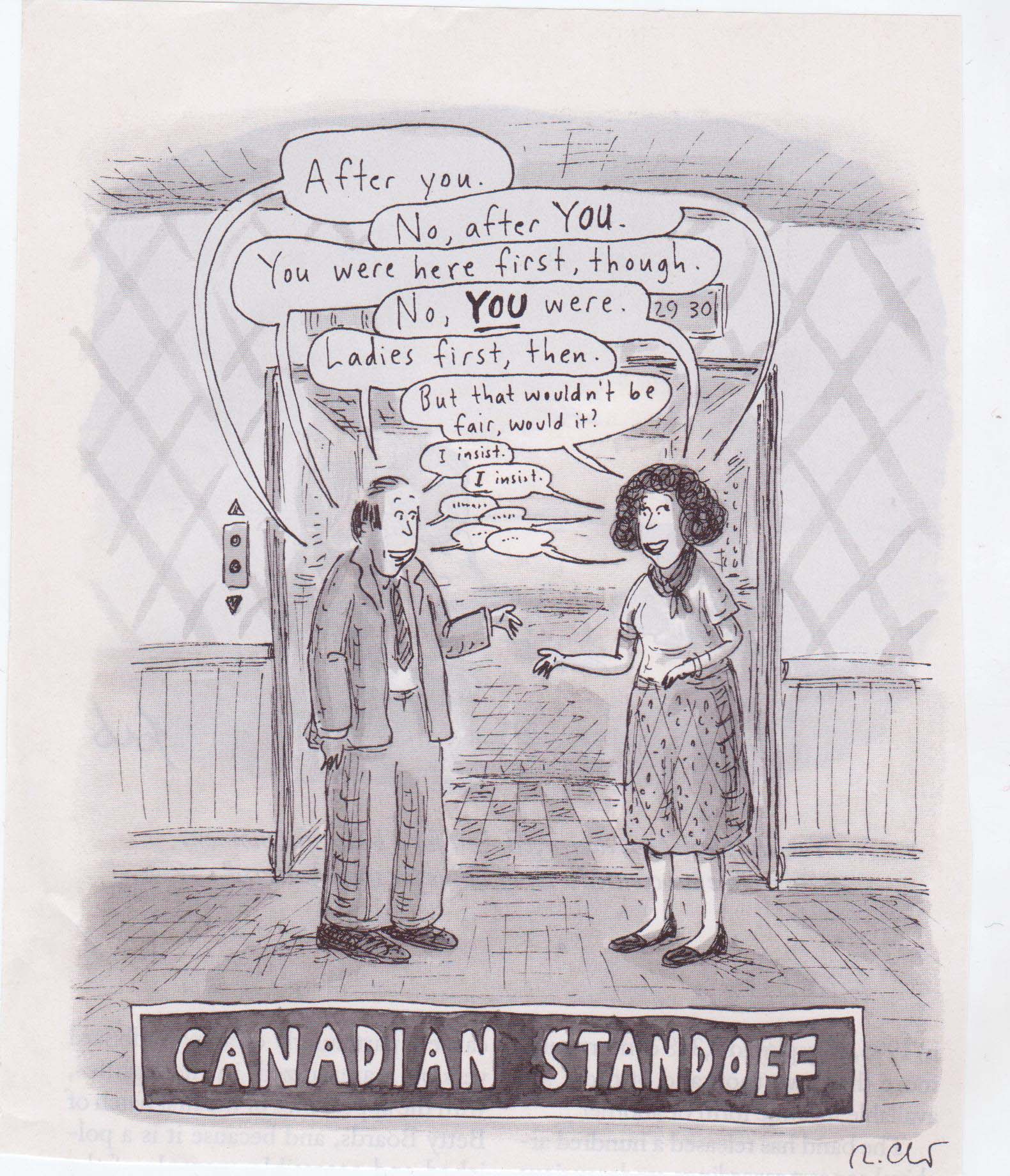
Here’s an amusing cartoon by Roz Chast from a recent issue of The New Yorker highlighting the stereotype of the polite Canadian that is held by many Americans.
Here’s an amusing cartoon by Roz Chast from a recent issue of The New Yorker highlighting the stereotype of the polite Canadian that is held by many Americans.


“My interest in Haida Gwaii spiked when I mentioned it to a few more worldly adventure writers than myself — folks who spend their weekends traversing Mongolia on skis — and got a collective “Haida what?” in response. Can’t blame ’em. Though it’s only 80 miles off Canada’s Pacific coast, Haida Gwaii (previously known as the Queen Charlotte Islands) gets perpetually bypassed for the cruise-ship-frequented shores of nearby Alaska, just 50 miles to the north. Getting to the island chain is also logistically challenging enough that the spoils remain a step removed. . . . If you’re looking for a Lost World, these islands — isolated since the last Ice Age — fit the bill in every way that counts: geographically, biologically, and culturally.”
Ted Alvarez, in “Canada: Treasure Island,” in Backpacker (Jan. 2013)

(Photo credits: Upyernoz per Wikimedia; Map credit: Koba-chan per Wikimedia)

Some random Twitter posts from December connected to Canada:
@nora_z_93 on Dec. 3: One of the most dreadful experiences in life is waiting for the bus in canada during the winter. Trust me on this.
@YaBoiDave on Dec. 7: I have to go to canada this weekend. My goals: 1: complain about the bacon 2: overuse the term “ey” 3: befriend and or conquer a moose
@silasagna on Dec. 10: why do i hear goose outside of my window i don’t remember moving to canada
@robroche on Dec. 11: I know I should know better, but I still think it’s winter 365 days a year in Canada — After Maine ends: Polar Bears and Snow Mobiles.
@noahcgrove on Dec. 17: Going to see the nutcracker tonight, hope the Alberta ballet isn’t a whole bunch of old men in cowboy boots on their tip toes.
@psysal on Dec. 18: True Sounds of Canada: The gentle warble of a Loon ‘pon break of day. The unmistakable clik of some weirdo clipping their nails on the bus.
@laurenonizzle on Dec. 18: Newfoundland consumes about 30% of the bologna produced in Canada, despite having just 2% of the population.
@archiemc on Dec. 18: BREAKING: Yellowknife, Iqaluit and Whitehorse all have a 100% chance of a white Christmas.
@NarikaXo on Dec. 26: Everytime I do something odd or just random and funny everyone blames it on me being Canadian.
@austinc00per on Dec. 29: alsask. what a clever name for a town on the alberta-sask border
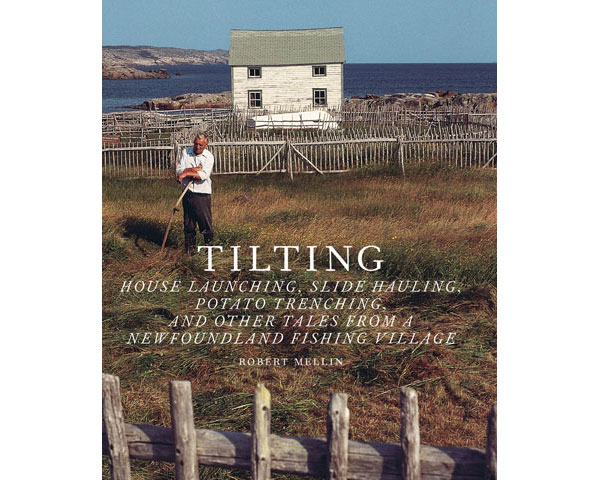
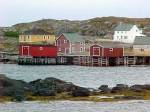
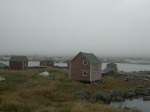
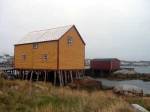
As I was going through my bookshelf last week in preparation for our family’s annual potlatch exchange, I came across Robert Mellin’s Tilting: House Launching, Slide Hauling, Potato Trenching, and Other Tales from a Newfoundland Fishing Village, which I obtained several years ago following one of my visits to Newfoundland but which I had only skimmed through at the time. There is so much to like in this neat little book about the sparsely populated and very scenic fishing village of Tilting, which is located on Fogo Island off the northeast coast of Newfoundland and is now mostly inhabited by descendants of Irish settlers from the early 1700s. (See here and here for earlier O’Canada Blog comments about Fogo Island.) It’s difficult to classify this work by genre — its subject matter ranges across fishing village architecture, local history, oral stories, traditional farming and fishing techniques, and cultural studies.
Mellin, an architecture professor at McGill University, complements his studious observations with an impressive array of photographs (most his own), line drawings and maps, as well as commentary from longtime Tilting residents. I particularly liked the following amusing remarks by resident Jim Greene on local visiting customs and the frowned upon city-style practice of asking people to remove their shoes upon entering the house:
“They don’t bother to knock — because everybody around here knows one another and they knows what’s in there and they knows what kind of a person they’re going to meet and — there’s no need of them knocking — I think that’s the reason. . . . Nobody don’t want to take off their boots — We had several people comin’ in stopped out in the porch tryin’ to get off their boots — come on in, boy!
“You know Mark Foley? He was away into St. John’s and I met him one day — I said, “Mark, you were gone.” He said, “Yes, boy, I was into St. John’s and I had a spell takin’ off me boots. ” Why, that’s bullshit! They’re imitating that crowd in St. John’s and that’s the reason — we’re going to be just like the crowd that’s in St. John’s and you got to do the same thing in their houses as they does in St. John’s — full of bull. I had a pair of boots one time I couldn’t get off — what’ll I do then? You know the kind of boots they are — they calls them “flits” and they calls them “unemployment boots” — them rubbers with a couple of laces at the top. I bought a pair one time and I put them on — didn’t have much trouble to get them on — but in the evening when I went to get them off I couldn’t get them off. I lay down on the floor and I hauled on them and everything and I couldn’t get them off — after a while I got them off, and I never put them on no more. Another fellow down there, Billy Broaders, he’s dead now, he put a pair on one time he had to cut his off! Well, if you’re going to their house with them boots on you have to turn around and come back — you couldn’t get in, could you?”
Although several volumes produced by the Vancouver-based Douglas & McIntyre have sat upon my shelves for quite awhile, I had not focused on this independent publishing powerhouse until I recently posted some thoughts about art in the Pacific Northwest and pondered the coincidence that two art books (Shore, Forest and Beyond and Mythic Beings) mentioned then were from D&M. I also count Inuksuit (noted in O’Canada Blog on January 31, 2011) and Arctic Eden among my books from D&M that contain beautiful images of special aspects of the Canadian physical and cultural landscape.
Exploring their catalog of titles, what strikes me are the diverse range and high quality — there are many award wimmers here — of Douglas & McIntyre’s art-themed volumes and its literary fiction and non-fiction. Its affiliated imprint, Greystone Books, is also quite good. I’ve added several to my wish list. Some of the titles that stood out from my browsing include those below.

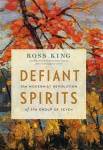
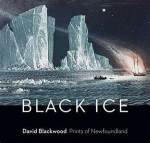
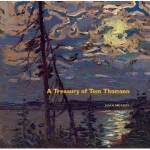

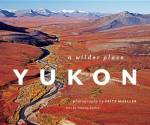

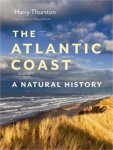
I’ve long admired Joni Mitchell and previously mentioned her collaboration with fellow Canadians, Neil Young and The Band. A number of her songs serve as place markers for my memories in that special way that songs do when they touch deeply. So I read with interest the finely crafted essay in this week’s The New Yorker (Dec. 17, 2012, pages 30-35) by Zadie Smith about Smith’s eventual appreciation of Mitchell’s beguiling singing. The following observation by Smith stood out for me for its thoughtful insight into the straitjacket of expectations against which many artists struggle once they’ve achieved a measure of critical acclaim :
“We want our artists to remain as they were when we first loved them. But our artists want to move. Sometimes the battle becomes so violent that a perversion in the artist can occur: these days, Joni Mitchell thinks of herself more as a painter than a singer. She is so allergic to her audience that she would rather be a perfectly nice painter than a singer touched by the sublime. That kind of anxiety about audience is often read as contempt, but Mitchell’s restlessness is only the natural side effect of her artmaking, as it is with Dylan, as it was with Joyce and Picasso. Joni Mitchell doesn’t want to live in my dream, stuck in an eternal 1971 — her life has its own time. There is simply not enough time in her life for her to be the Joni of my memory forever. The worst possible thing for an artist is to exist as a feature of somebody else’s epiphany.”
Among Mitchell’s many songs that have meaning for me is “The Circle Game,” which resurfaces memories of my long ago routine of playing this piece as an accompaniment to rocking to sleep each of my boys when they were infants. The video below of this poignant song of childhood innocence and the journey of life is shared here in memory of the many innocent souls tragically killed this week in Newtown, Connecticut:
During a trip to Vancouver last December with my two sons, we visited the Vancouver Art Gallery’s outstanding exhibition “Shore, Forest and Beyond: Art from the Audain Collection”. What a spectacular display of traditional and contemporary artworks related to British Columbia! The Vancouver Art Gallery and Douglas & McIntyre Publishers (more on them in a later post) collaborated on a book, Shore, Forest and Beyond, showcasing the exhibition that is well worth obtaining. On that visit, I also brought back a copy of Gary Wyatt’s beautiful book, Mythic Beings: Spirit Art of the Northwest Coast (also published by Douglas & McIntyre). While there’s much that can be said about the show and several of the commercial art galleries in that region that focus on such artists, for now it prompts me to share some contemporary art with traditional motifs from the first nations tribes of the Pacific Northwest and a few of the galleries where such works can be found.



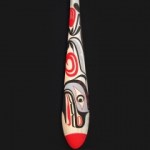


Selected Art Galleries:
Ahtsik Native Art Gallery, Port Alberni, BC
Spirit Wrestler Gallery, Vancouver, BC
The Path Gallery, Whistler, BC
Coastal Peoples Fine Arts, Vancouver, BC
Black Tusk Gallery, Whistler, BC
I-Hos Gallery, Courtenay, BC
Inuit Gallery of Vancouver, Vancouver, BC
Spirit of the West Coast Art Gallery, Courtenay, BC

Some random Canada-related posts from the Twittersphere over the past month:
@RolfMargeit on Nov. 29: I love getting the odd nice quebec bus driver
@HeyitsMauri on Nov. 28: I’d move to Canada but they don’t have black Friday’s over there. 
@jpadamson on Nov. 27: The fact that we don’t have mulled wine carts on our streets in Vancouver is a travesty.
@homieschapels on Nov. 26: tbh i didn’t know canada and the U.S were separate countries until like the 6th grade don’t laugh at me
@cjbeltowski on Nov. 25: People in Canada think I’m weird for putting ketchup on my poutine, people in the US think I’m weird for eating poutine
@ddale8 on Nov. 24: There is just a crazy amount of Canadian-ness going on in Toronto right now, aw ya yup I seen it on the subway I’m tellin’ ya.
@VickyMeunier on Nov. 19: Oh man, the new mayor of Montreal is so funny when he speaks french!!!! xD
@iseestarsmusic on Nov. 18: Let’s get wild Calgary!! First time here!!! Don’t let us down 😉 open it up!!! <3@TulipFootsteps on Nov. 17: Canada has crazy drivers.
@3provincecanoe on Nov. 17: Fishing licenses in Saskatchewan – $80. Nunavut? $40. Remind me to never take a date out to SK, what a ripoff that place is
@roryledbetter on Nov. 17: Canadian money is crazy! It looks like Monopoly Bucks! & I’ve been here 3 hours and somehow I already have $20 worth of coins in my pocket!
Browsing at a local Barnes & Noble the other night I came across the Fall 2012 issue of Arabella , a Canadian arts quarterly. Standing out within the 400 or so glossy pages were the works of Philip Buytendorp, Steve Coffey and Jennifer Woodburn, three amazing landscape artists each painting in a decidedly impressionistic style that for me harkens back to the talented Group of Eight. Buytendorp’s canvases convey an aesthetic and color palette that is highly reminiscent of Tom Thomson’s vivid Canadian landscapes, while Woodburn’s style has a beautifully dreamy appeal and Coffey’s mannerism is soulful. Nice profile writing by Kylie Serebrin on two of these artists.
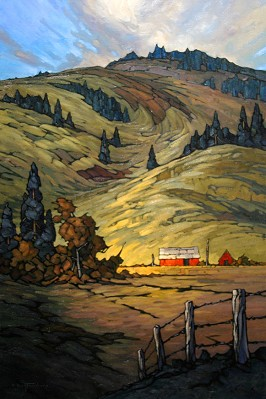



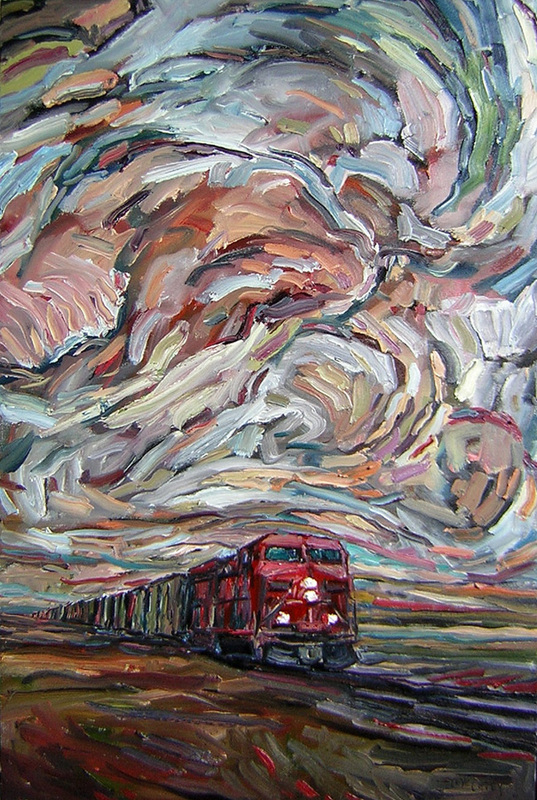


Sites / links for more info on these artists and their galleries: Philip Buytendorp * * Jennifer Woodburn * * Steve Coffey
Driving back from the airport in the early morning a few months ago, I turned on the radio and happened upon the mesmerizing “Put There By The Land” by the Great Lake Swimmers. That led to exploring this Toronto-based group further. Nice variety of styles, including some with catchy hooks, such as “Easy Come, Easy Go” and “Pulling on a Line”. This group deserves more attention. More about them on their website here.
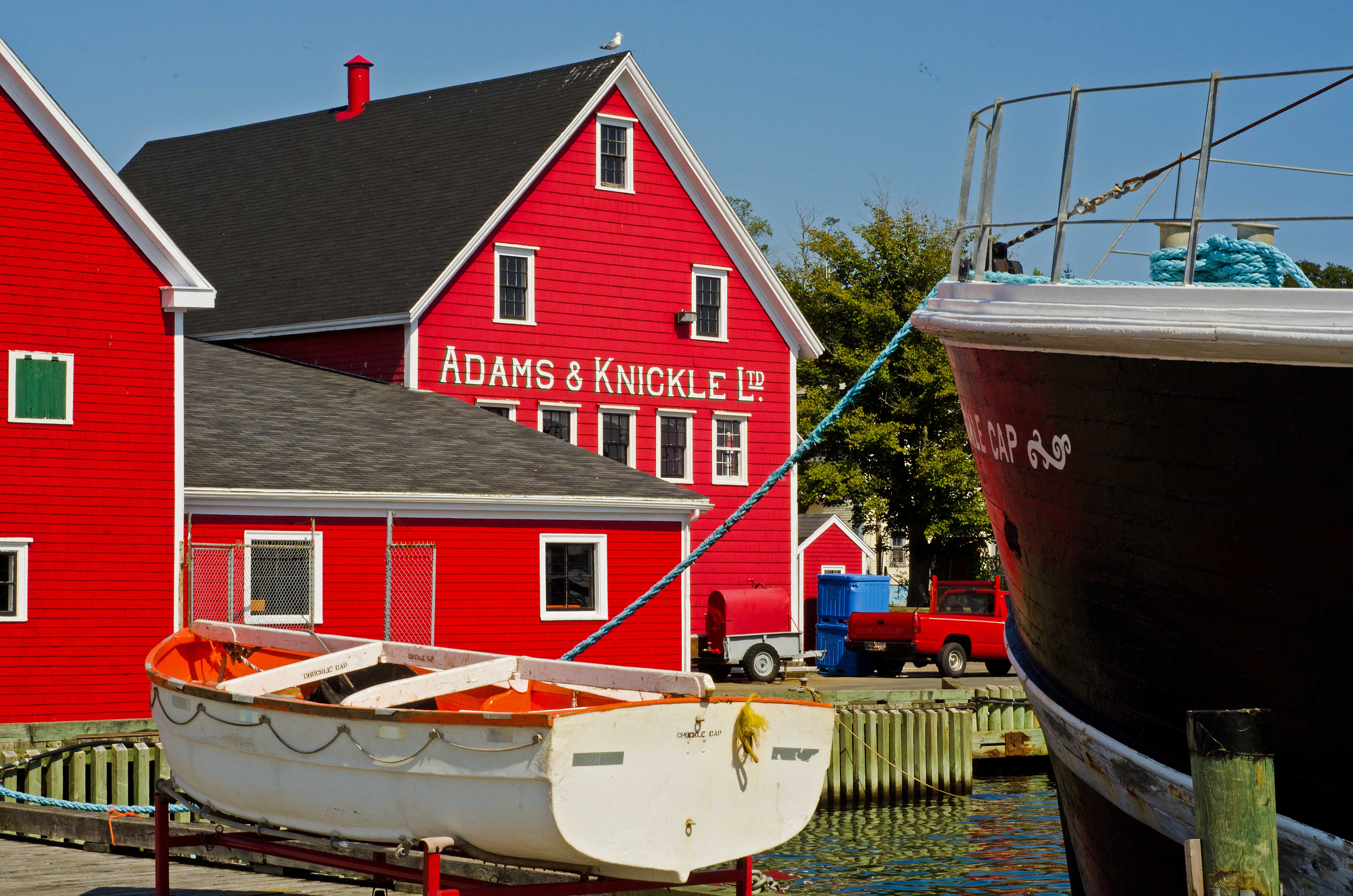
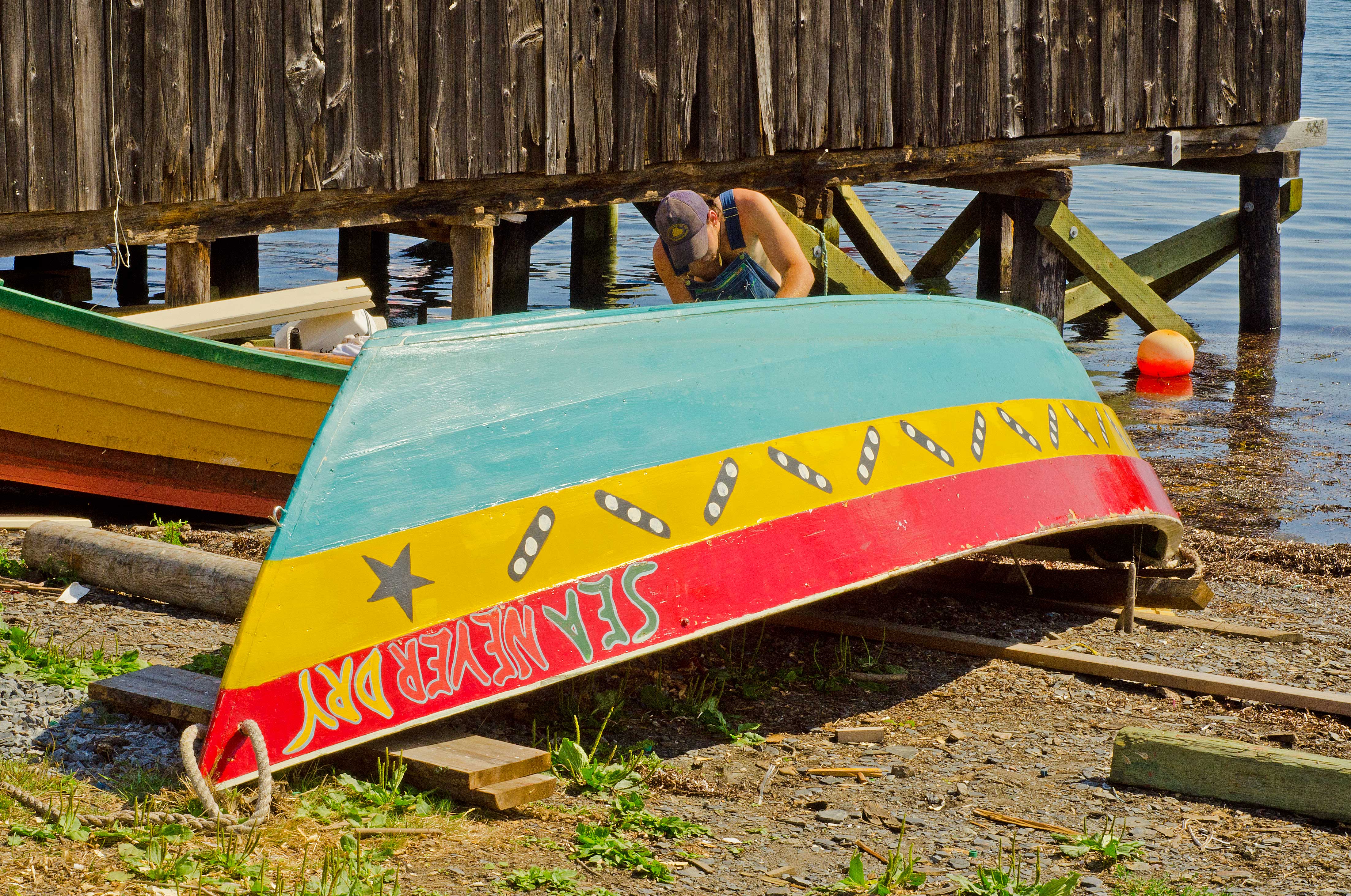
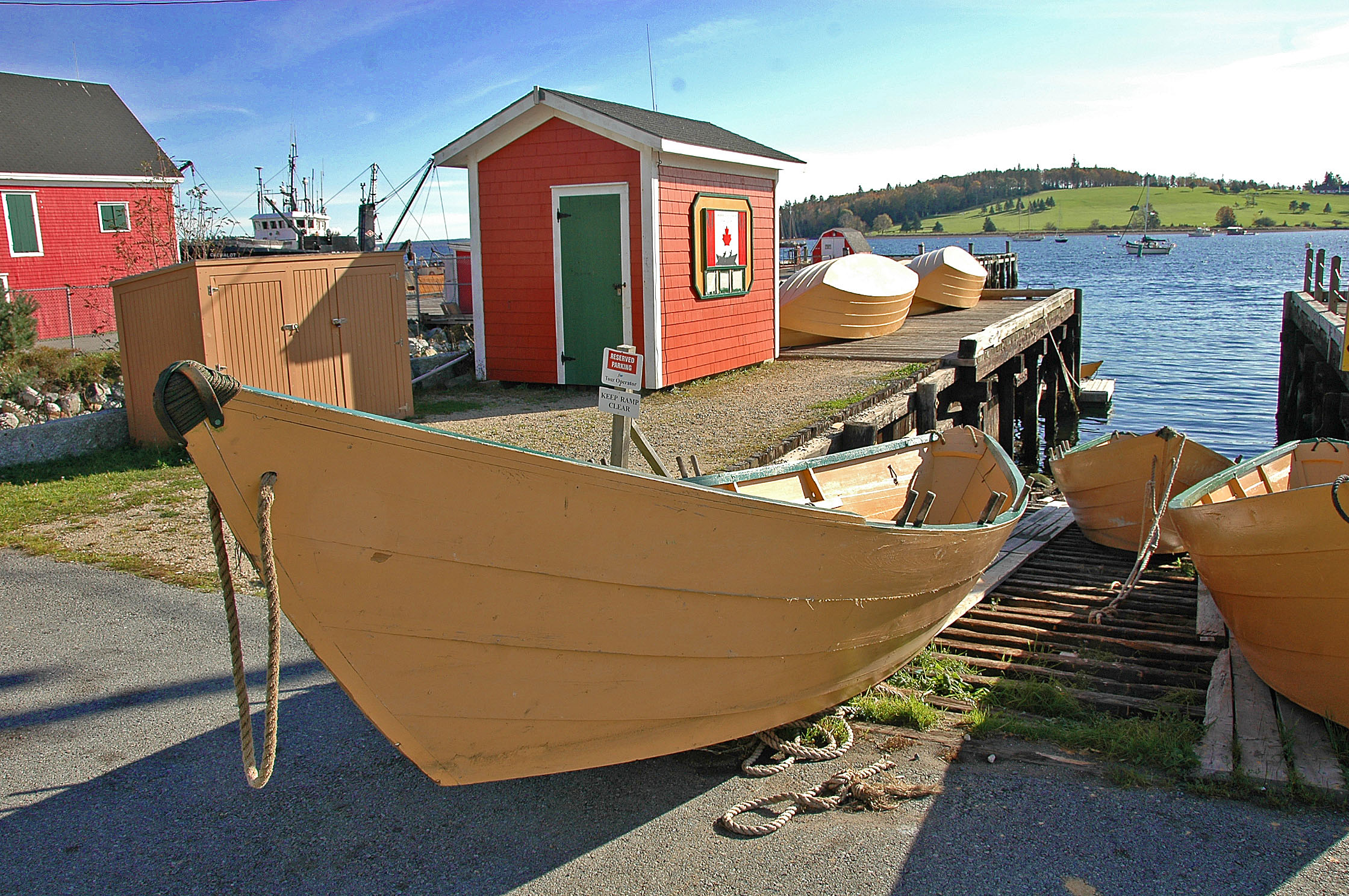
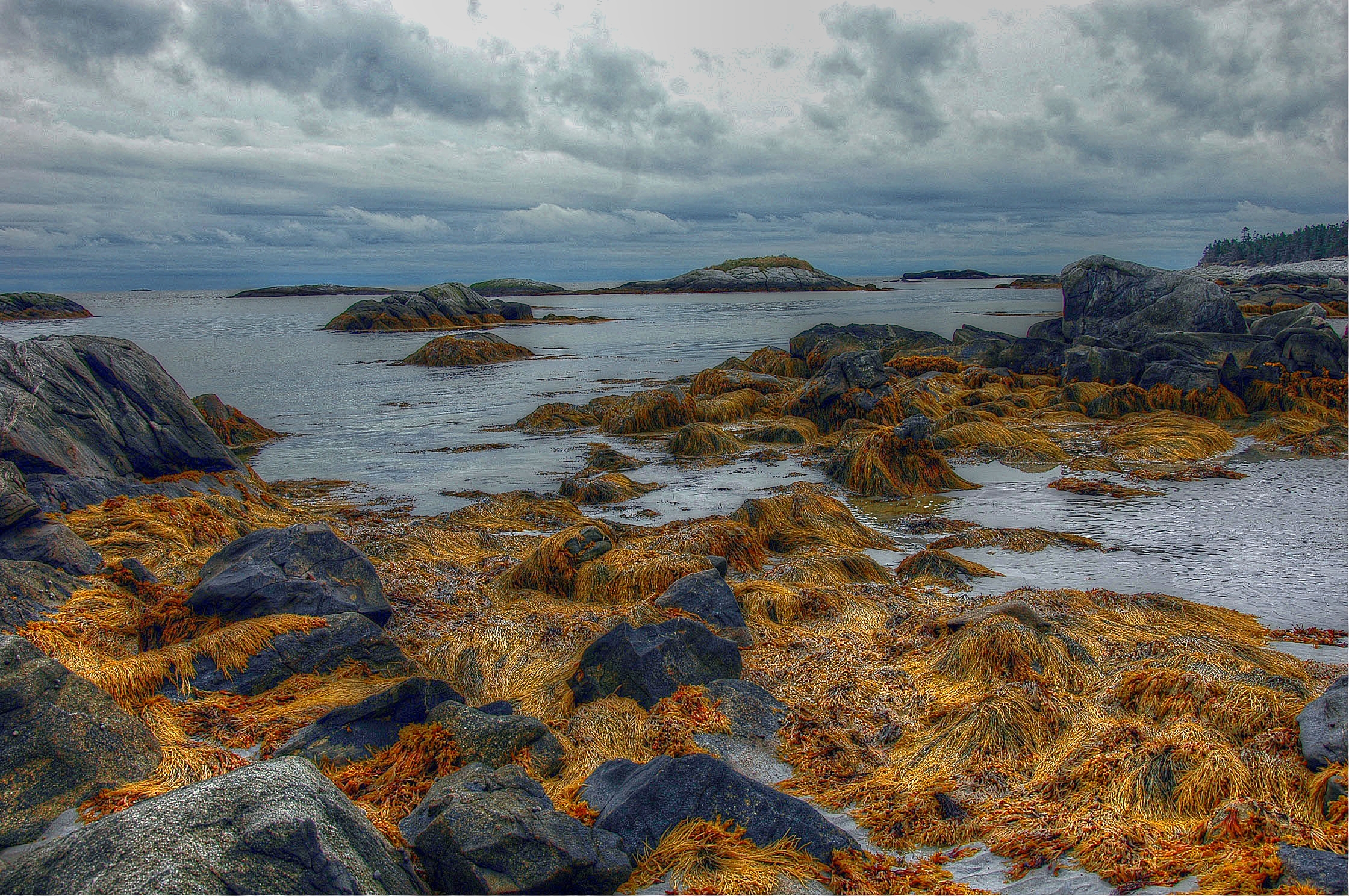
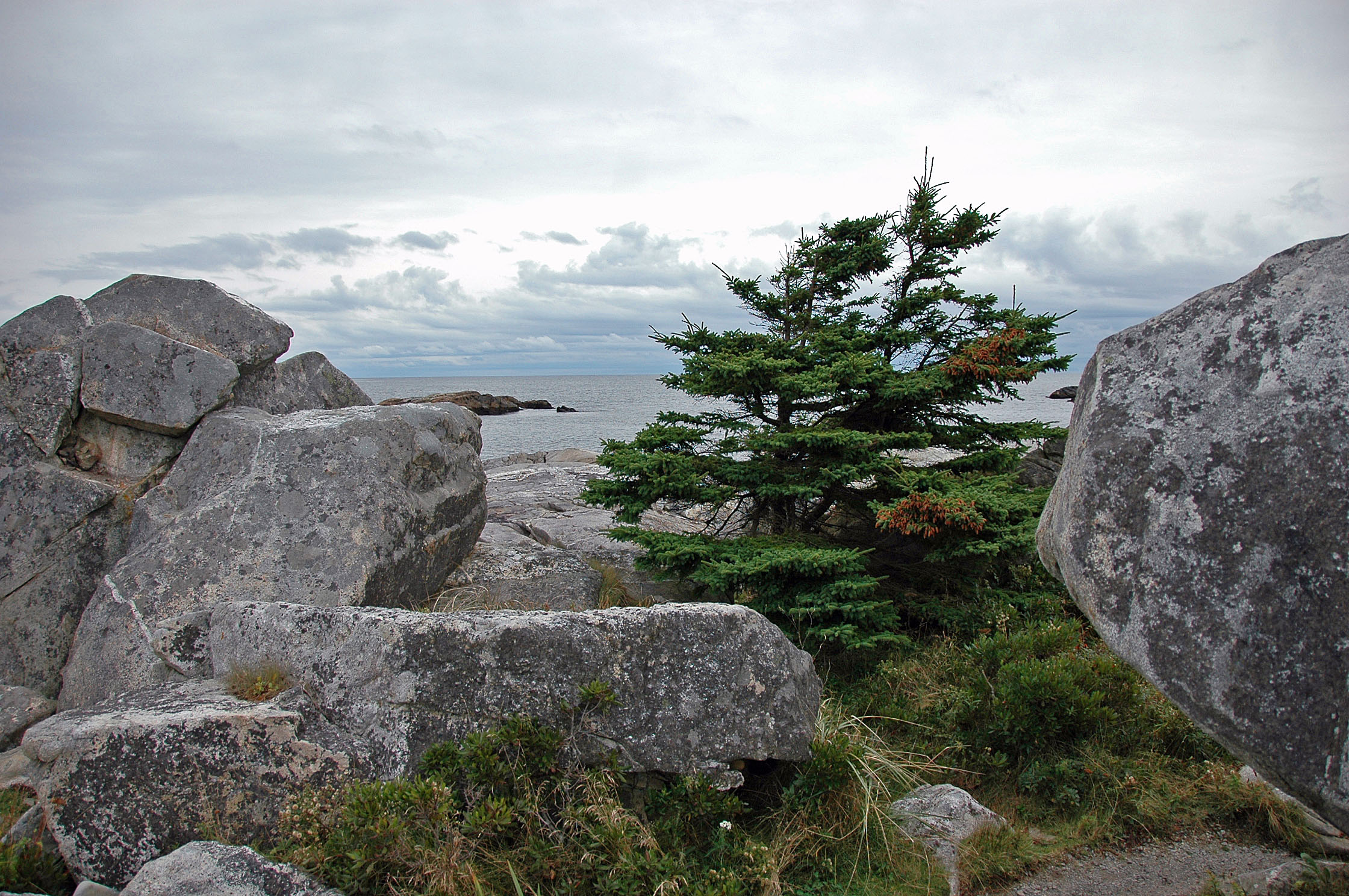
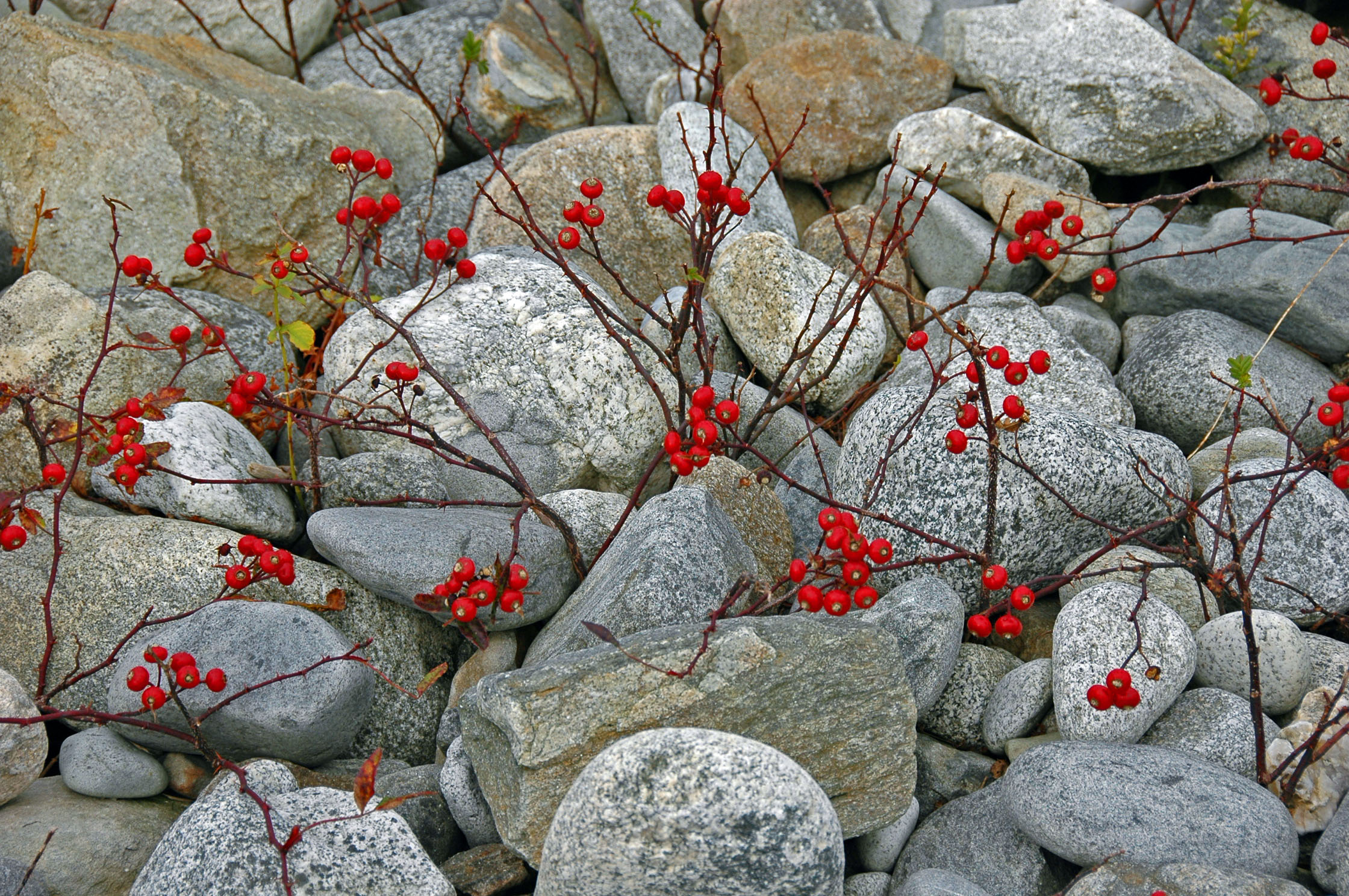
Some pictures of Lunenberg and Shelburne, Nova Scotia and nearby area that we took from a recent trip this fall and an earlier trip fall a year ago.



“If Barack Obama had bought Manitoba, Republicans would have understood his winning.”
- Gail Collins, amusingly comparing President Obama’s recent electoral victory to how the Louisiana Purchase helped Thomas Jefferson in his own re-election more than 200 years ago (from “Anybody Notice a Pattern,” NY Times, Nov. 16, 2012)
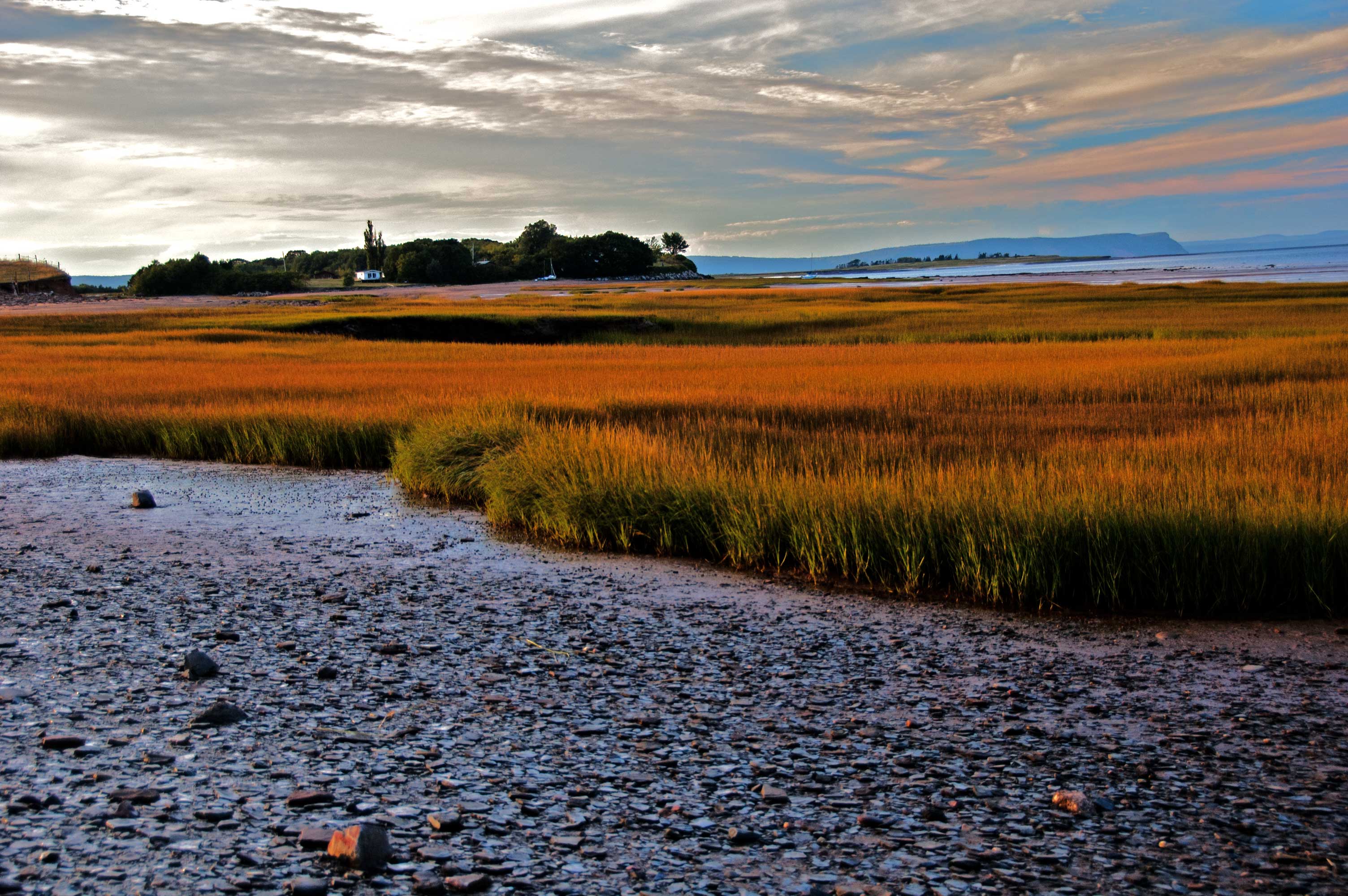
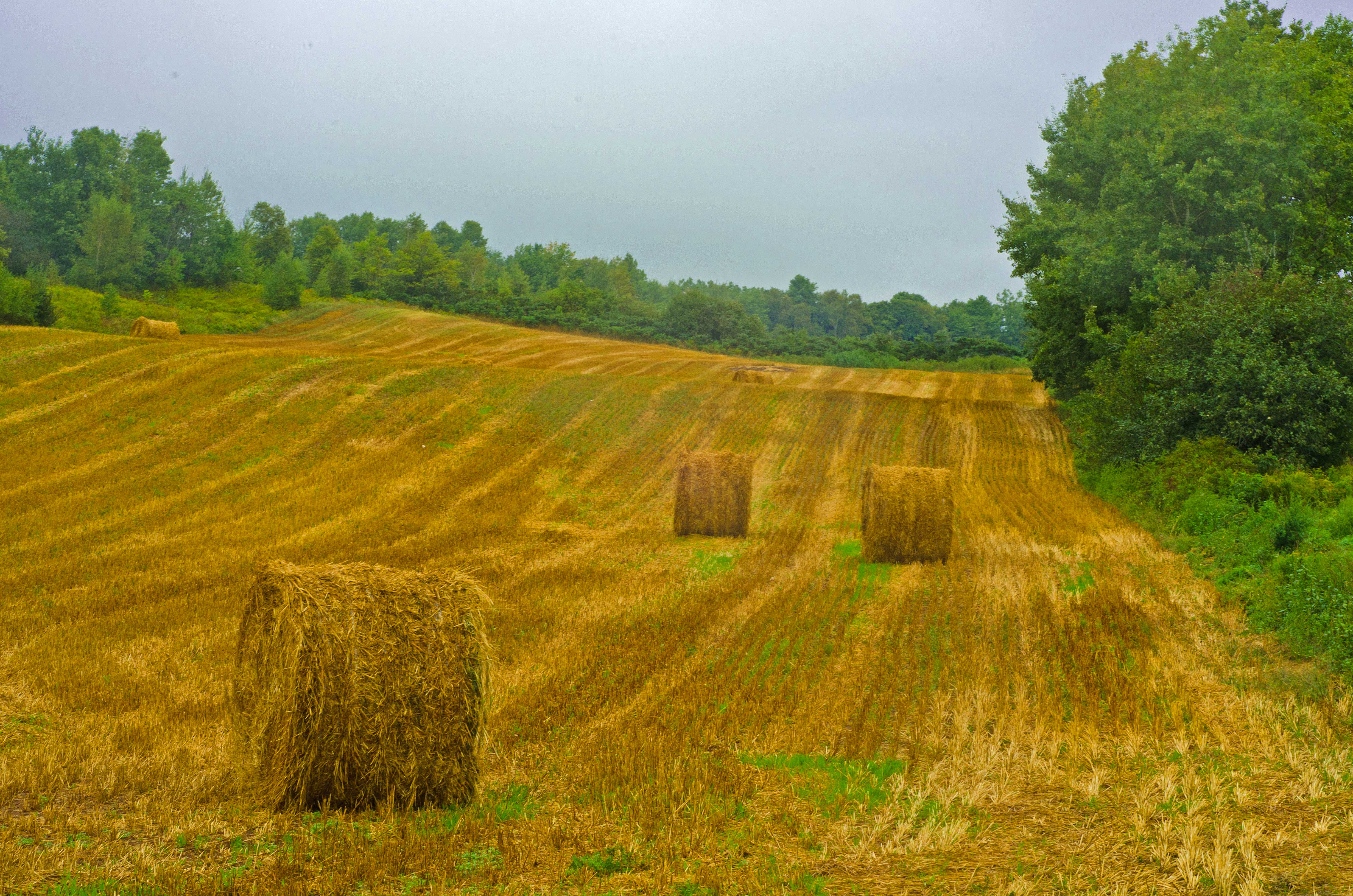
In late September, my wife and I visited Nova Scotia and spent most of our time around Wolfville and the surrounding area in the Annapolis Valley region of the province. Wonderful time spent exploring Nova Scotia’s farm country so close to the sea. Some of our pics below.


Lately I’ve been wearing out both “Above the Ground” and “Hello” by Mark Berube & The Patriotic Few. The clip of the first song, which is available on YouTube, is a shortened version that provides a good feel for the whole of this very mellow piece and its terrific lyrics. Guest singer Emily Loizeau joins the band on that piece as well. “Hello” is hypnotic. Both are on the band’s June in Siberia album, released earlier this year.
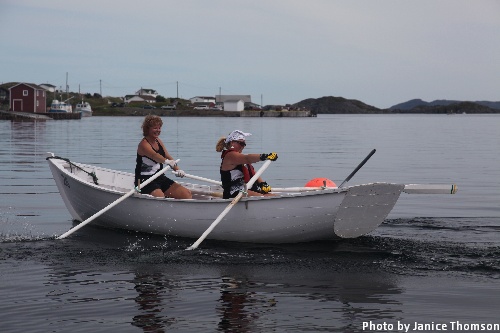
Rowers in the 2010 Fogo Island Punt Race
Today marks the fifth annual running in Newfoundland of the Great Fogo Island Punt Race, a 10-mile endurance race that requires its challengers to row punts (essentially, small row boats) across five miles of open ocean between Fogo Island and Change Islands and back. The official event website is here, which includes a couple of fascinating videos, including “Postcard From Fogo Island”, a gorgeous short video about the race which can also be found here on the website of the Shorefast Foundation. Aside from being great fun, the annual race celebrates the boating heritage of Newfoundland and its reliance on the durable punt, a craft that the people throughout the province have relied upon for over 300 years.
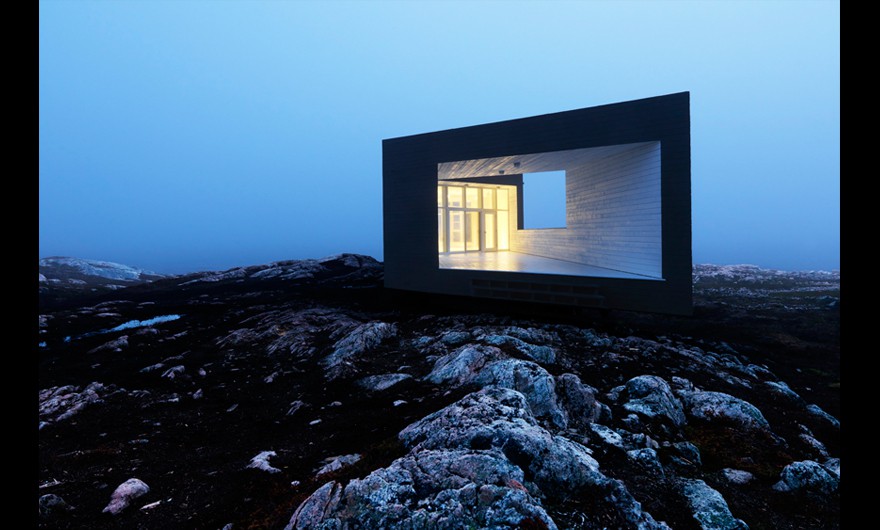
The Long Studio on Fogo Island
I’ve commented on Fogo Island previously in a post on the National Film Board of Canada’s 1967 documentary “The Children of Fogo Island.” In addition to its achingly beautiful scenery, this rugged island paradise in Atlantic Canada has a lot going for it, not the least of which is the resilient spirit of its people and their strong sense of community. Fogo Island’s Shorefast Foundation has done a remarkable job in just a few short years in promoting both deliberate economic development and a phenomenally vibrant arts community. Providing a good examplef this, is the above photo is of the Long Studio, one of three recently constructed and strikingly innovatively designed arts studios on the island as part of a series of broader arts initiatives fostered by the Fogo Island Arts Corporation and the Shorefast Foundation.
“And especially, to all the Toronto Blue Jay fans [and] the entire organization, thank you for your loyalty and support. My time in Toronto was the best of my career. It was with Toronto that we won two World Series together. You guys embraced me from Day one. You were with me through ups and downs and I am so proud to represent you here in Cooperstown as the first Toronto Blue Jay elected to the Baseball Hall of Fame.”
— Roberto Alomar, commenting on his July 24, 2011 induction into the Baseball Hall of Fame, the first Toronto Blue Jay player to be inducted
Today, being July 1, is Canada Day. I find it interesting — and a nice piece of symmetry on the calendar — that this year’s Canada Day falls on a Friday while America’s July 4 holiday falls on a Monday. Because these holidays are marked by specific dates, in some years they fall in the middle of the week, which can make their celebration sometimes a little strange. This year the holidays make for a splendid long weekend on both sides of our shared border — and I suppose for those few who are dual citizens, an even longer long weekend. (For the diehard monarchists amongst us, there is even a possible future king and queen of the old British homeland in our midst on this side of the big pond this weekend!)
So, I thought a few quotes on Canada are in order for this day:
“Our hopes are high. Our faith in the people is great. Our courage is strong. And our dreams for this beautiful country will never die.” — Pierre Trudeau
“Canadians have an abiding interest in surprising those Americans who have historically made little effort to learn about their neighbour to the North.” — Peter Jennings
“In any world menu, Canada must be considered the vichyssoise of nations, it’s cold, half-French, and difficult to stir.” — Stuart Keate
“I had no idea Canada could be so much fun.” — Bruce Willis
The above quotes and a variety of others on Canada can be found at a wonderful compilation that is available at the following link: http://www.indefual.net/canada/quotes.html
(Photo Credit: Ikluft, Wikimedia Commons)
The Fete National du Quebec — the National Holiday of Quebec — is today and Canadians, particularly Quebecers, are celebrating this Canadian public holiday that originated in that province. The holiday is sandwiched on the calendar between Victoria Day (the Monday before May 25) and Canada Day (July 1), and coincides with the celebration of St. Jean-Baptiste Day, which dates back to the 1630s in Canada when the French explorers carried it over from France to Canada in the 1630s.
Among the festivities marking this occasion was a very nice reception organized by the Delegation du Quebec – Atlanta that was held in the Buckhead area of Atlanta, which I had the pleasure of attending late this afternoon. The event also marked the upcoming departure of the exceptional and very gracious Ginette Chenard, who has very ably served as the Delegate for the Delegation du Quebec – Atlanta and whose presence will be missed by many Atlantans. Vive la belle province!
Photo Credit: Montrealais c/o Wikimedia Commons
Robbie Robertson’s recent receipt of an Order of Canada award reminded me that I had not posted anything about music lately and that I’d been looking for an opportunity to comment on both Neil Young and The Band.
One of those cultural semi-secrets about which many of us in the States are unaware is how much of what we consider to be American entertainment derives from Canadian performers. Sticking just with music, notable Canadian performers with numerous fans in the States include not only Neil Young and The Band, but also Arcade Fire, Tragically Hip, Hidden Cameras, Bachman-Turner Overdrive, The Rakish Angles, Leonard Cohen, Shania Twain, Gordon Lightfoot, Celine Dion, k.d. lang, Sarah McLachlan, Joni Mitchell and Matthew Barber, to name just a few. But of all these, I have a special regard for the classic folk-rock sounds of Neil Young and The Band.
Although born in Toronto, Neil Young spent much of his teen years in Winnipeg before later taking up a long time residence in California. While there are many things to appreciate about Young, his deep lyrics and the shades of knowing melancholy in his delivery are what stand out most for me. So many of his songs — “Old Man,” “Heart of Gold,” “Ohio,” “My My, Hey Hey,” “Helpless,” and “Don’t Let it Bring You Down,” among others — stand up well in the test of time. It’s amazing that well after his initial rise to prominence in the 1960s this guy is still going strong all these many years later, even having released two new studio albums since 2009.
It’s probably no coincidence that The Band also initially hit it big in the rock music scene in the 1960s, carrying a bright musical torch until their break up in 1976, which was famously captured in Martin Scorsese’s documentary of their valedictory concert in “The Last Waltz”. While all but one of their members was Canadian, the one non-Canadian, Levon Helm, was hugely influential in that group as the rare drummer with so much talent that he brought his Arkansas-twanged voice to bear as lead singer on two of the group’s most notable songs, “The Weight” and “The Night They Drove Old Dixie Down.” Nevertheless, as with NHL teams, which count many “cross-over” countrymen from both sides of the border among their ranks, it’s fair to regard The Band as being as much a product of Canada as it is of the States.
The following video nicely features Young performing with The Band at The Last Waltz concert, with Joni Mitchell providing back up vocals.
This past Thursday 43 individuals received the honor of being named to the Order of Canada, the country’s highest civilian honor, in a ceremony over which the Governor General of Canada, David Johnston, presided. The recipients included several people who we might consider to be high profile, such as the actor Michael J. Fox (who over the past decade has worked to focus research and attention on Parkinson’s disease through the Michael J. Fox Foundation), the musical artist Robbie Robertson (who was most notably a member of the rock group The Band), and Howie Meeker (a former pro hockey player and commentator).
However, I find more interesting and heartening the recognition bestowed on individuals with less fame who have strived over many years in an unsung manner to make a difference in so many fields. These include Michel Bergeron of Quebec, Queb., who is an infectious disease specialist; Mary Jo Haddad, of Oakville, Ont., an advocate for children’s healthcare; Rita Mirwald of Saskatoon, Sask., a senior mining company executive; and Earl Muldon of Hazelton, B.C., a promoter and defender of the Gitxsan First Nations culture.
Full list of 2011 recipients as released by the Governor General’s office
I’ll readily admit to a fear of extreme heights. So contemplating the planned EdgeWalk attraction at Toronto’s CN Tower leaves me dumbfounded. As the rendering posted above shows, this new addition to the CN Tower’s offerings will allow adventurous thrill seekers the opportunity to walk along the outer perimeter of the Tower 1,168 feet (365 meters) — that’s about as high as a 116-story building — above the ground with no handrail and secured only by a harness attached to an overhead guide rail.
Playing to people’s fascination (or maybe a kind of love-hate relationship) with pushing the edge when it comes to heights apparently makes good business sense. Similar attractions that come to mind include the elevated perimeter walk at the Macau Tower Skywalk in Macau, China, the Las Vegas SkyJump, and the astounding 4,000-feet (1,200 meters) high Grand Canyon Skywalk, to name just a few. Even now the existing features of the CN Tower include a glass-floor observation area and a glass elevator ascending the Tower.
The EdgeWalk is scheduled to open August 1, with tickets going on sale June 1. For my part, I’ll look forward to any videos or photos from actual EdgeWalkers but I don’t expect to be in any of them. More information is available from the CN Tower site.
Well-placed rumors have it that a group in Winnipeg is in the final stretches of sealing a deal to purchase the Atlanta Thrashers NHL franchise and relocate the team to Winnipeg. Here in Atlanta there’s great lament about possibly becoming the only U.S. city to lose two pro hockey teams to Canadian venues — the first being the loss in 1980 of the Atlanta Flames to Calgary. An official announcement may come as early as today.
Reasons abound for why Atlanta would find itself in the position of losing a pro team, with local columnists trotting out the lack of fan support as the number one reason, although many die-hard hockey fans beg to differ and attribute the move to mismanagement of the team by the current owners. Although the view that management shortcomings are to blame may have some legs to it, fan support is an issue in a city like Atlanta, where there are simply too many competing professional sports teams, which ends up diluting the focus of local sports fans rallying behind either a single or just a few teams.
Reports suggest that Winnipeggers are ecstatic about the impending move. Even so, Winnipeg will have its own challenges making a go of this opportunity given that the city lost the Winnipeg Jets franchise about 15 years ago following financial issues then and ultimately leading to the relocation of that NHL team to Phoenix. Well, we’ll know soon enough how this game of musical chairs will continue.
Canadians today celebrate Victoria Day, a holiday that officially commemorates the birthday of Queen Victoria and acknowledges the reigning British monarch and the peculiar British monarchial connection to Canada. Less formally and probably more significantly for most Canadians, it marks the start of summer across the country. So, if we see the cars of numerous “snow birds” — obvious by their Canadian plates — heading north this month back to Canada, this may be part of the reason.
To Canadians everywhere, here’s hoping this Victoria Day is grand and your summer is full of pleasure!
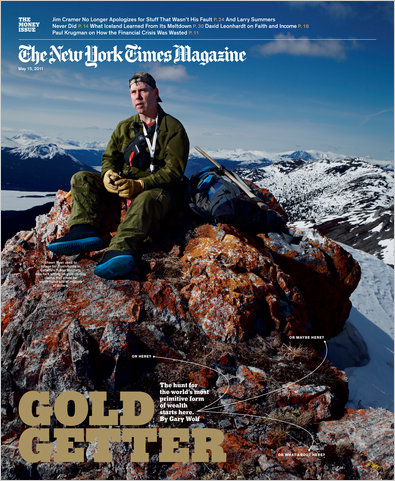
The New York Times Magazine ran a fascinating article today about Yukon Territory residents Shawn Ryan and Cathy Wood, who are among those leading the charge for what is turning into another Canadian gold rush. The soaring prices of gold have much to do with the heightened attention to prospecting for this precious metal in that area of the North. However, the entrepreneurial spirit with which Ryan and Wood have pursued their ventures may be as much of a contributing factor. While the article’s author, Gary Wolf, who is also a contributing editor for Wired magazine, focuses most of his attention on their ups and downs at prospecting, I think the innovative resourcefulness of this couple is best summed up by the following excerpt:
“It is tough to be penniless in Dawson in the winter. Wood cleaned some houses and served as court bailiff when the judge came to town, but in February 1993, they were down to their last $5. At the employment center, Wood saw a notice for a job removing the snow from the roof of Diamond Tooth Gerties, the local casino, which opened for a brief winter season coinciding with a dog-sled race. The job was usually taken on by a team of local residents for thousands of dollars. Wood bid 500. Townspeople came out to see how the low bidders were going to do it. She and Ryan cleared the edges of the roof with shovels, then Ryan climbed to the top and jumped up and down like a monkey. Gravity did the rest. The expressions of surprise on the faces of the onlookers made Wood laugh. People in Dawson had to acknowledge that for people at the bottom of the status hierarchy — and there aren’t many rungs beneath mushroom picker — they had some unmistakable gifts.”
Link: Gary Wolf, “Gold Mania in the Yukon,” NY Times Magazine (May 15, 2011)
Photo Credit: Nate Cull
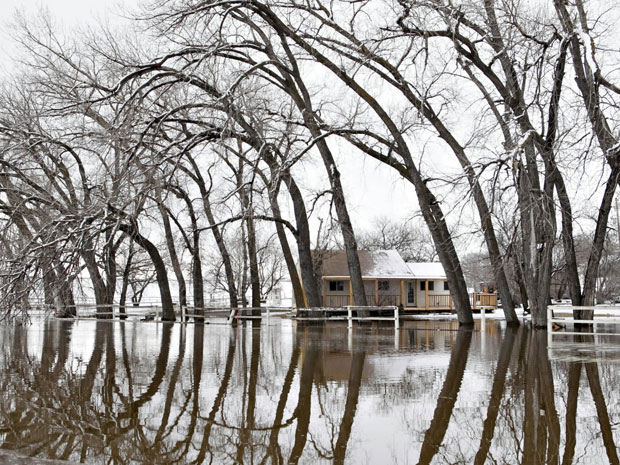
Flooding in Lumsden, Manitoba (Photo Credit: David Stobbe, Reuters)
Although wreaking havoc and presenting immense challenges, natural disasters allow us to better maintain perspective on the things that should matter most. The record-breaking floods now affecting many areas of Canada, including Manitoba, Quebec, Saskatchewan and Newfoundland, and the similar flooding to the south that is inundating major swaths of the Mississippi River valley serve as powerful reminders of nature’s force and our inability to bend it to our will. In an article about the floods near Louisiana, the reporter James Byrne on NOLa.com aptly quoted from T.S. Eliot’s “The Dry Salvages”:
I do not know much about gods; but I think that the river
Is a strong brown god – sullen, untamed and intractable,
Patient to some degree, at first recognised as a frontier;
Useful, untrustworthy, as a conveyor of commerce;
Then only a problem confronting the builder of bridges.
The problem once solved, the brown god is almost forgotten
By the dwellers in cities – ever, however, implacable.
Keeping his seasons, and rages, destroyer, reminder
Of what men choose to forget. Unhonoured, unpropitiated
By worshippers of the machine, but waiting, watching and waiting.
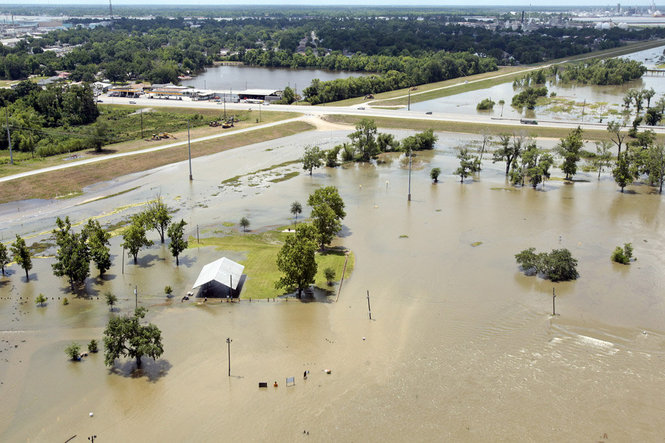
Flooding Near Bonnet Carre Spillway, Louisiana (Photo Credit: Brett Duke, Times Picayune)
The flooding also had me thinking about the experiences and emotions being shared by people north and south of our common border. In that spirit, I surveyed a variety of stories about the widespread flooding and below is a small sampling of quotes I found interesting from affected individuals in Canada and the U.S.
“It speaks to our spirit. Flooding is not pleasant . . . People put their best foot forward and deal with it. People tend to stay. This doesn’t drive people out of communities. If anything, it probably makes the community stronger when you have a (common) response to it.” Chuck Sanderson, Manitoba’s Emergency Measures Organization, quoted in the Leader-Post
“I don’t think they can afford this flood. I don’t think the government can pay for all the damage. It’s heartbreaking. We worked hard all our lives to get established, to take care of our families. Now this.” Glen Fossey, Starbuck, Manitoba, quoted in Winnipeg Free Press
“I don’t think I’m afraid. I just don’t know what to do.” Chris Yuill, Starbuck, Manitoba, quoted in Winnipeg Free Press
“It’s been very, very long. As long as the electricity keeps working, I can hang in till the end.” . . . She added it was heartening to see how people are helping each other out, including one volunteer who has been using his all-terrain vehicle and a wagon to provide a free taxi service through chest-deep water to the main road. Linda Durbeaum, St.-Paul-de-l’Ile-aux-Noix, Quebec, quoted in the Windsor Star
“In my lifetime, we’ve never seen anything like this. It’s going to be serious.” Ray Bittner, Manitoba Agriculture, quoted in the Windsor Star
“What I’ve seen in Shelby County over the past couple of weeks isn’t so much a rising river, it’s a rising community. . . . Wave after wave of volunteers show up asking ‘what can I do?’” Craig Strickland, Cordova, Tennessee, quoted in the Memphis Commercial Appeal
“When you live in an area like this, you sometimes forget the magnitude and awe of the river.” Susan Brown, Bartlett, Tennessee, quoted in the Memphis Commercial Appeal
“This is all I got. I’ll protect it the best I can.” Francis Cole, Popular Bluff, Missouri, quoted in the Aribiter
“I packed everything, and I mean ev-ry-thing. . . . It’s depressing. But what are you going to do? This is a resilient bunch of people, and I imagine the biggest part of them will come right back.” Terry Bower, Butte La Rose, Louisiana, quoted in NOLA.com
Canucks Fans (Photo Credit: Canucks.com)
Interesting and very entertaining piece written by Jeff Klein in today’s New York Times about the ambivalent feeling shared by many Canadians — at least outside of British Columbia — regarding the Vancouver Canucks, which is the only Canadian team still in the playoffs for the Stanley Cup. While Canadians would undoubtedly be proud to see a home team win the championship for the first time since 1983, the persistent regional / provincial rivalries and the roster of Vancouver team (being comprised of fewer actual Canadians than some U.S. teams), leave many hockey fans uncertain. Among the humorous observations noted in the article is this quote by Paul McDonagh of Dawson City, Yukon Territory: “Of course, we’re supporting the Canucks. It’s kind of a love-hate thing [many Canadians] have with Vancouver, like with Toronto. Only with Toronto it’s mostly hate.”
The last time I reviewed a couple of Canadian magazines the subjects were two interesting regional publications focused on the far North. Now I’d like to mention a couple of other impressive mags to which I subscribe and the geographic scopes of which encompass the entire country.

Canadian Geographic: This magazine does an exceptional job of making accessible the country’s many natural wonders. The writing and photography are superb and the content is varied enough that I believe there’s something for every type of reader in each issue. The cover story for April’s issue explores the centennial of the establishment of Canada’s national park system, with additional features that include on dark sky preserves for infinite star gazing, the story of Quebec’s Lachine Canal and Labrador’s Mealy Mountains. The magazine’s website features additional content that complements the print version as well as the mission of the Royal Canadian Geographic Society.

Canada’s History: As its name suggests. this publication explores Canada’s history and is the organ of Canada’s National History Society. Conceived in 1920 by the Hudson’s Bay Company as a promotional piece called the Beaver until 2010 (when it was given its current name), the magazine evolved to have broad national appeal. Each issue contains a diverse selection of historical accounts and is well laid out and full of engaging book reviews, pictures, maps and other illustrations of bygone times. Among the stories in the latest issue (April-May) are a piece on the Jesuits’ role in the country’s early history, a story on Canada’s first car and an exploration of many facets of the history of the far northern portions of the country. Its website also nicely extends the features of print version.
Election Season Installment 3: Consider the “Question Period”, in which opposition members of Canada’s Parliament routinely have the opportunity to pose questions to the country’s ruling party government. This is a feature of Canadian politics for which we in America do not have a very precise analog. In concept the question period seems laudable, with the non-ruling parties being able to hold the government accountable by requiring the Prime Minister and the members of the ruling Cabinet to address questions on pressing issues of the day.
Americans are likely more familiar with the very similar practice in England of the Prime Minister’s Questions sessions in that country’s Parliament, from which the practice in Canada appears to derive. I think we find it intriguing that the head of the executive branch of government would be held to account in so direct a manner. In Canada questions and answers must also be directed in an almost stylized fashion to the Speaker of the House of Commons when, in fact, the comments are intended for the other officials sitting across the room. All of this, of course, lends itself to vivid political theater.
Yet, that tendency toward theatricality may also be its Achilles heel. Unlike the once-a-week sessions in England which are shorter in length (30 minutes), in Canada the Question Period occurs each day with more time (45 minutes) allotted to it. You have to wonder how the ruling government gets any work done. While not universally criticized, there appears to be wide sentiment in Canada that the practice has devolved to the point where it has become as much about scoring political points as dealing with the substance of governing. It’s difficult for me to judge, though. If anything, the political culture in the U.S. is defined in countless ways by a seeming overabundance of political posturing and, we would be fortunate, indeed, if all we had to deal with were the theatrics occasioned by something such as the Question Period.

Eric Fattah at the Vertical Blue Free Diving Competition in the Bahamas
As they say, when it rains it pours, and so it is with a number of Canadian achievements in individual sports that I’ve recently noticed (and I’m sure there are many more that I’ve not noticed). Specifically:
Photo Credit: Peter Scott

I try to stay abreast of major trends in technology and its relationship to innovation, both of which are propelled as much by art as by science. It would be difficult for anyone not to have noticed the emergence of tablet devices over the past year following the introduction by Apple of its iPad on the heels of the amazing success of the iPhone. For my part, I’ve not yet succumbed to the allures of either of those devices, preferring to keep my electronic devices and wireless plans to a minimum. I have long carried a BlackBerry, which is very functional for the things that this smartphone device is renowned for and because of which it practically invented the smartphone category.
Research in Motion, or RIM, as it is more popularly known, one of Canada’s leading technology companies, releases its PlayBook tablet device this coming Tuesday, so the advance reviews of the PlayBook have caught my attention as someone who is already part of the “RIM ecosystem.” A story in this past Friday’s Globe and Mail about the development process is particularly interesting, both for the back story on the product’s development and because of the weight placed upon RIM in carrying the torch of innovation for Canada’s tech sector. I can’t yet speak to the merits of the PlayBook firsthand but am looking forward to how it takes hold in the marketplace.

Attended an interesting discussion at the Atlanta Contemporary Art Center (ACAC) today that included the inter-disciplinary Montreal artist, John Heward, and Portland, Oregon-based Jessica Jackson Hutchins, who principally works with mixed media and assemblage sculpture. An exhibition of works by both these intriguing artists opened at ACAC last night and for which the opening reception was graciously supported by the Consulate General of Canada in Atlanta. Heward and Hutchins shared insights about inspiration for their pieces and the ideas that are exploring in their work. In many ways, Heward’s work appears to be very site specific, at least that is true of the mysterious draped and painted rayon swaths that adorned the ACAC gallery devoted to his work in this exhibition.
More on Heward (and Hutchins) can be found at http://www.thecontemporary.org/exhibitions/john-heward/#.

I just got back from several days and about 65 miles of hiking with one of my sons on the Appalachian Trail in North Carolina. Among the notable features along the North Carolina section of this major east coast footpath are many gorgeous vistas, beautiful water falls and streams and high mountain meadows. The AT, as it is sometimes called, extends between Georgia up to Maine, following the range of the Appalachian Mountains over its 2,100+ miles in the U.S.
As I was hiking, I recalled that the Appalachian range actually ends much further north of Maine continuing as it does up into New Brunswick and Quebec on the mainland with a final section of the mountains ending near Belle Isle, Newfoundland and Labrador. About 15 years ago, a number of hiking enthusiasts conceived what is called the “International Appalachian Trail”, which is a trail extension trail along the natural geography of this ancient mountain range into Canada without regard to national borders. (Because North America, Europe and Africa were all once connected in truly ancient times, there is even an effort to route a trail with a continuation into Britain then onto Spain and finally in North Africa, linking together the geographical “remains” of this once vast inter-connected range.) Already quite a few hikers have undertaken and completed the additional challenge associated with the trek from Mt. Katahdin, Maine up to Belle Isle.

Endpoint of the Appalachian Trail in Maine
Having already hiked along several beautiful trails on Canada’s east coast, I’m sure the International AT holds special beauty and I’ll look forward to tackling stretches of it myself at some point. For now, though, I’ll admire such feats from afar as my dogs are still barking from my most recent trail outing.
(Photo credit: kworth30 / Wikimedia)

Interior of NWT Legislative Assembly Building
Election Season Installment 2: One of the more peculiar features of Canada’s provincial political culture has to be the consensus-type government in the Northwest Territories and Nunavut. Unlike the party-driven systems that are most typical of representative governments, in a consensus system — at least in those two provinces — all candidates are elected as independents to a legislature and those representatives then select among themselves a premier and cabinet ministers. The remaining members, who comprise a majority, then act as a de facto loyal opposition by holding the executive leaders accountable.
The consensus system first developed in the Northwest Territories, partly due to the community-based traditions of cooperativeness and consensus decisionmaking among the Inuit and other northern peoples. Consensus governing was naturally adopted by Nunavut shortly after that most-northern province was split off from NWT. Continue reading









 O' Canada