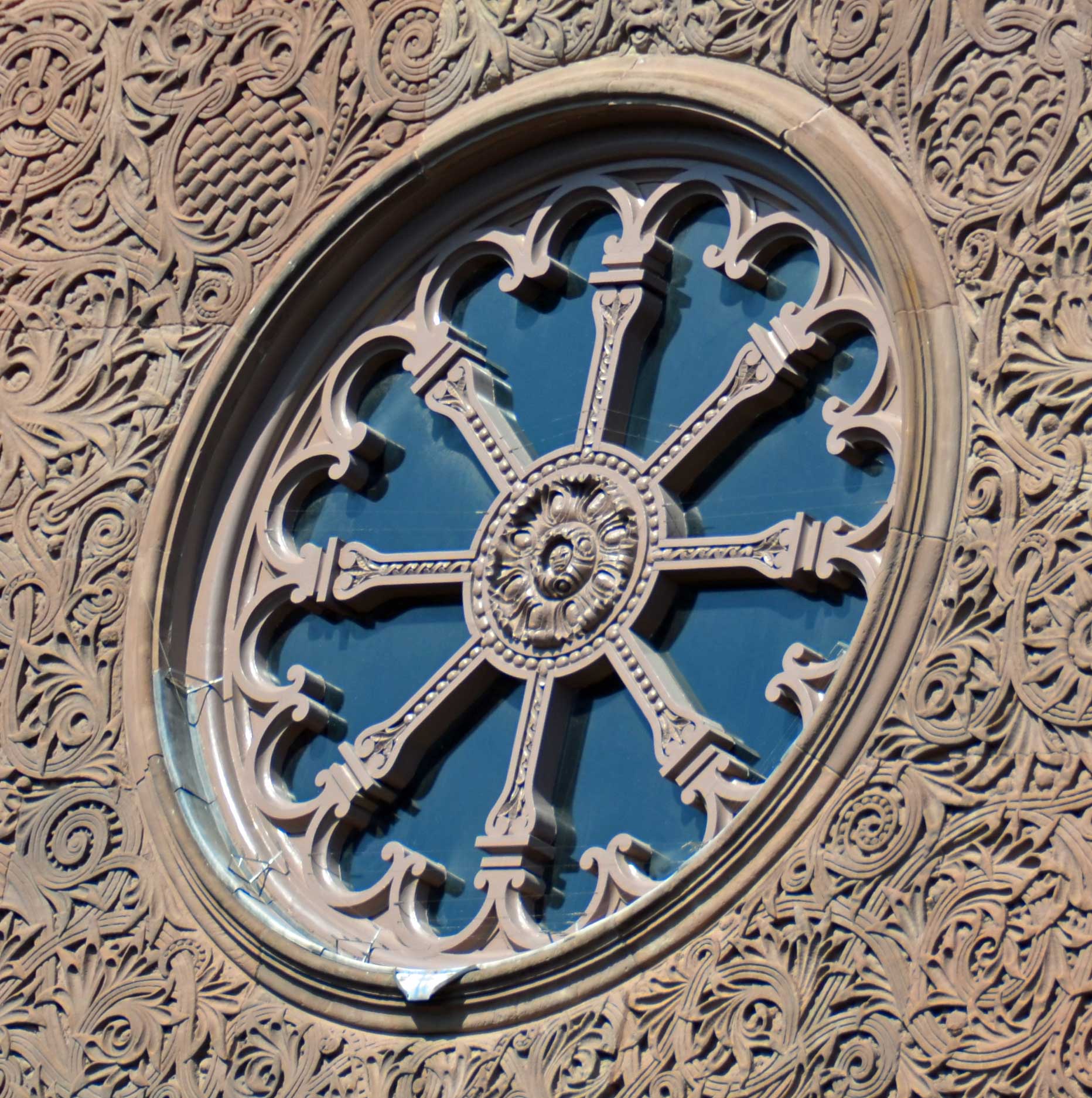
Intricate Detail Adorning a Decorative Window, University of Toronto Campus
__
“Your body is away from me, but there is a window open from my heart to yours.” ~~ Rumi
Intricate Detail Adorning a Decorative Window, University of Toronto Campus
__
“Your body is away from me, but there is a window open from my heart to yours.” ~~ Rumi
Stricken at the battle for Quebec City in 1759, Major General James Wolfe uttered those words as he lay dying just as his troops’ victory was assured. Imposing bas relief sculptures of Wolfe and three other early Canadian military heroes — Samuel de Champlain, John Graves Simcoe and Isaac Brock — grace the facade of the Archives and Canadiana Building at the University of Toronto. Like their real-life counterparts centuries earlier, these sculptures keep a watchful and weathered gaze upon the surrounding landscape.
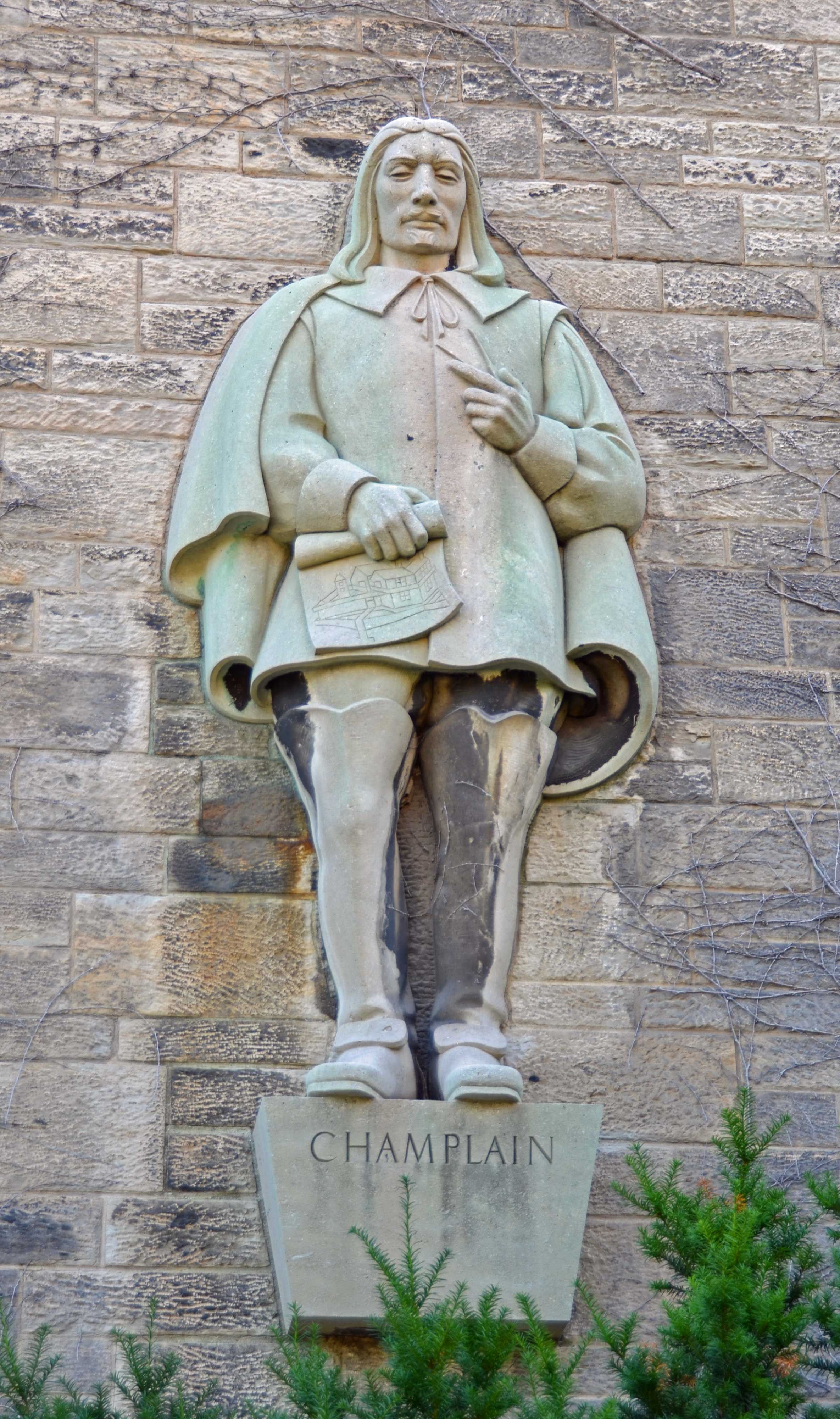
Samuel de Champlain (1574-1635)
+++

James Wolfe (1727-1759)
+++
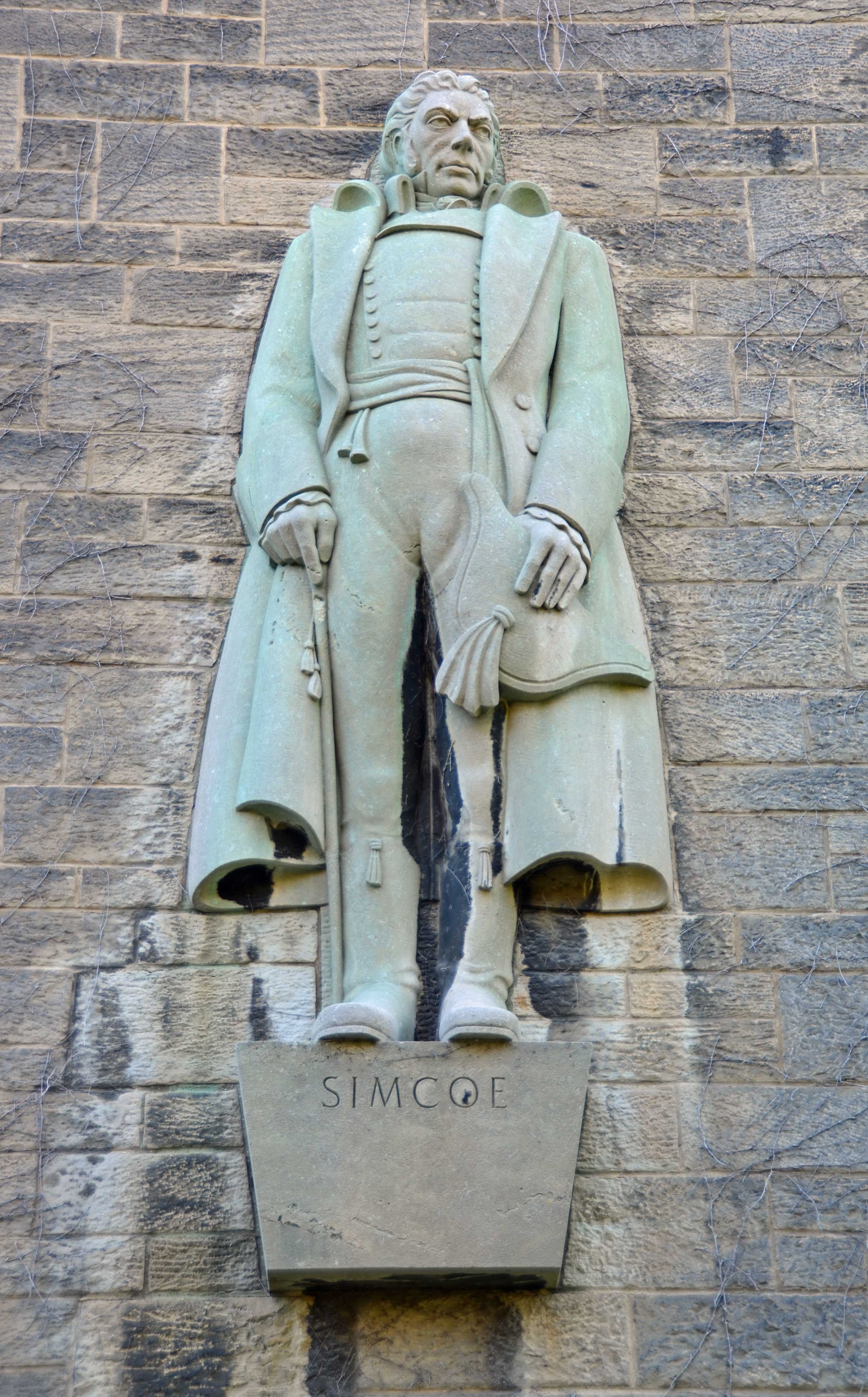
John Graves Simcoe (1752-1806)
+++
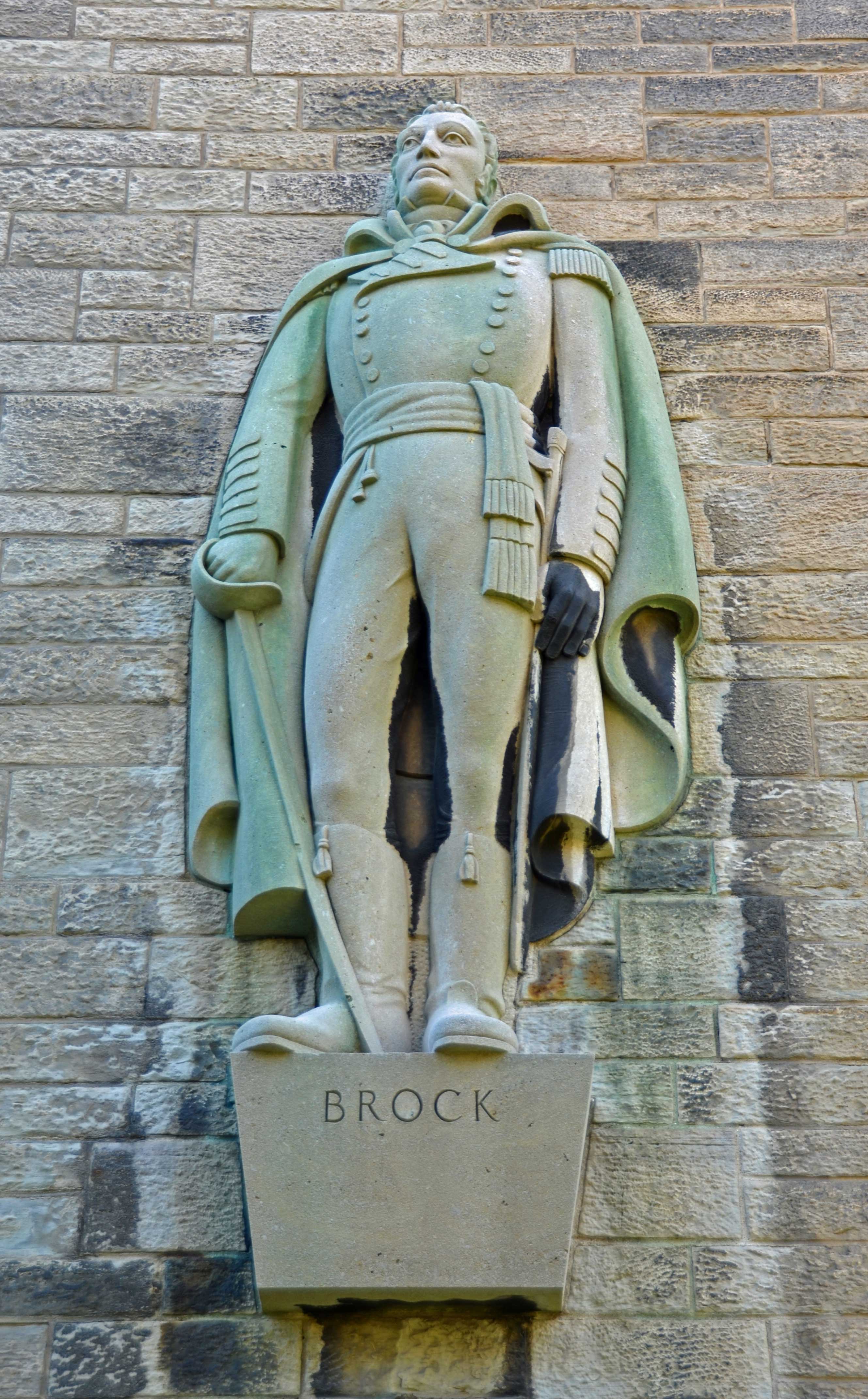
Isaac Brock (1769 -1812)
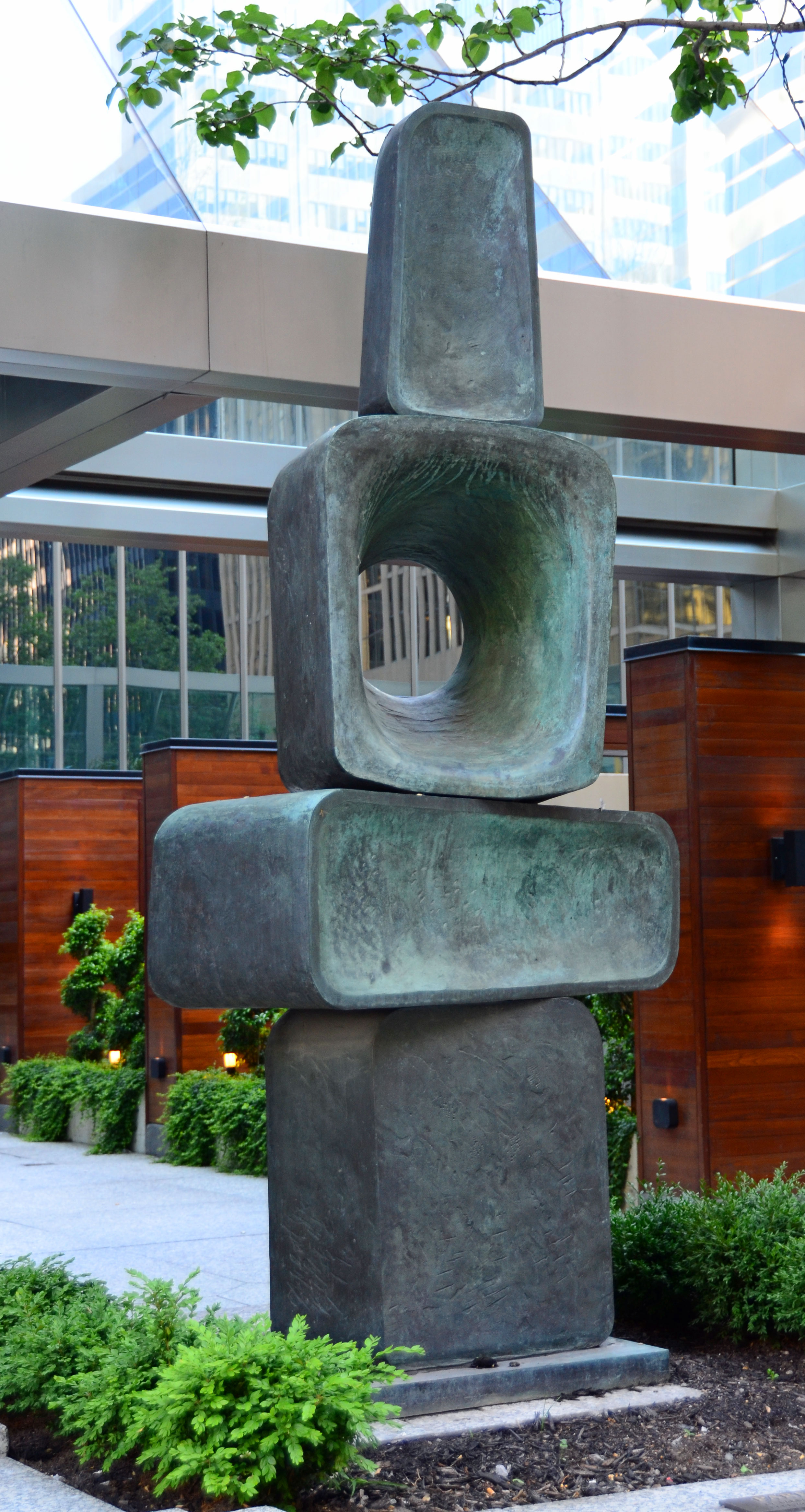
“Parent 1” (1984), by Barbara Hepworth — Her modern work calls to mind Inuit forms.
“Art enables us to find ourselves and lose ourselves at the same time.”
~~ Thomas Merton
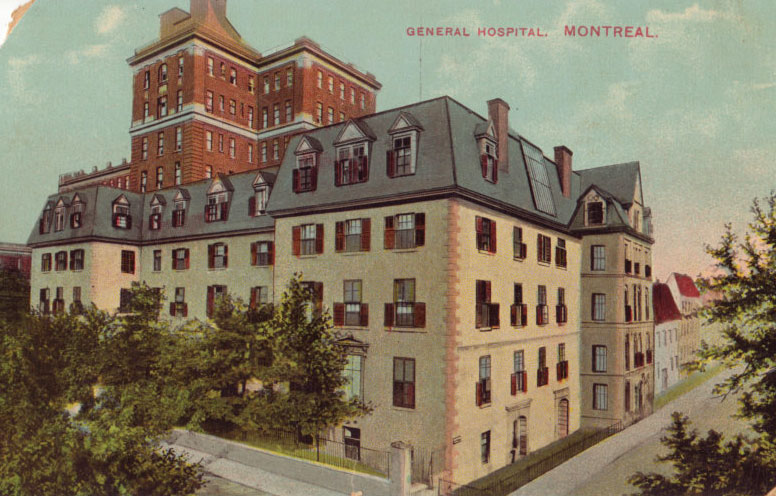
Postmarked 1913. A cozy looking place.
Hospitals seem a peculiar and dreary subject for postcards. But back in the day — before routine outpatient procedures and hospitals speedily freeing up beds — time in hospital (as patient or visitor) regularly spanned several days or longer, so penning a brief note to update absent friends or loved ones was probably not so odd. And what better way to do it than with one of the colored cards conveniently available at the hospital!

Postmarked 1945. The note starts out: “Having a swell time.” Love those roadsters!
~
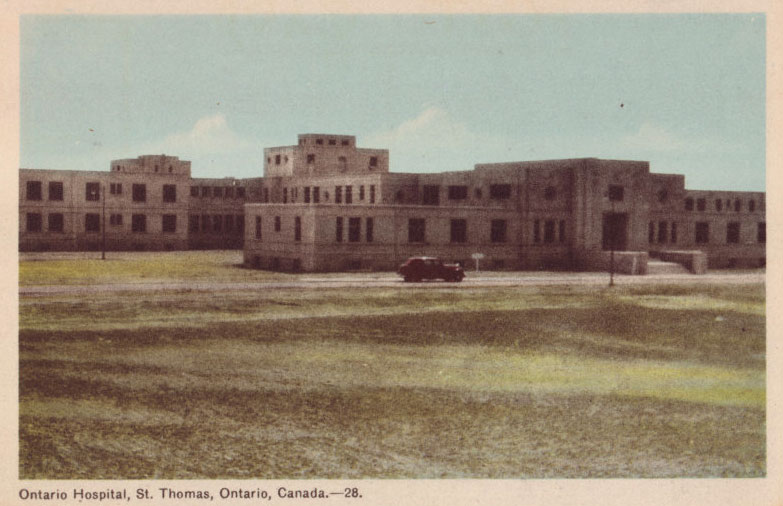
About 1948. Yikes — looks more like a prison!
~

About 1910. Regal digs. Notice horse and buggy to bottom left.
~
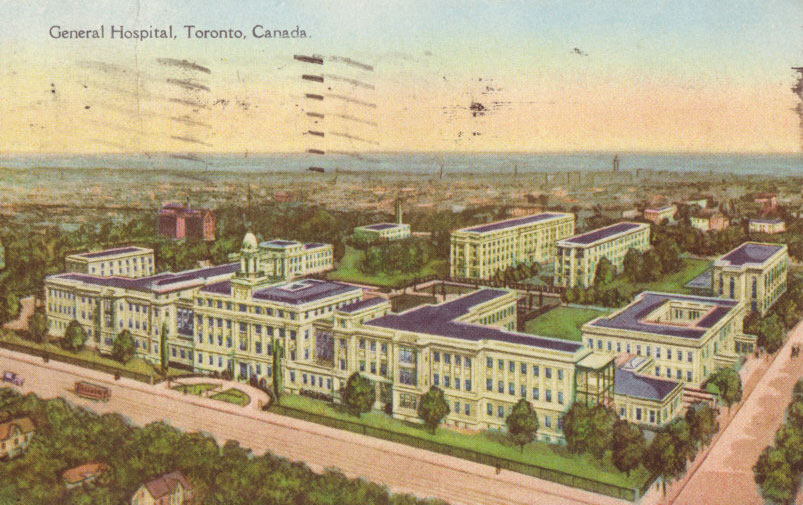
Postmarked 1935. Street car or bus passing by.

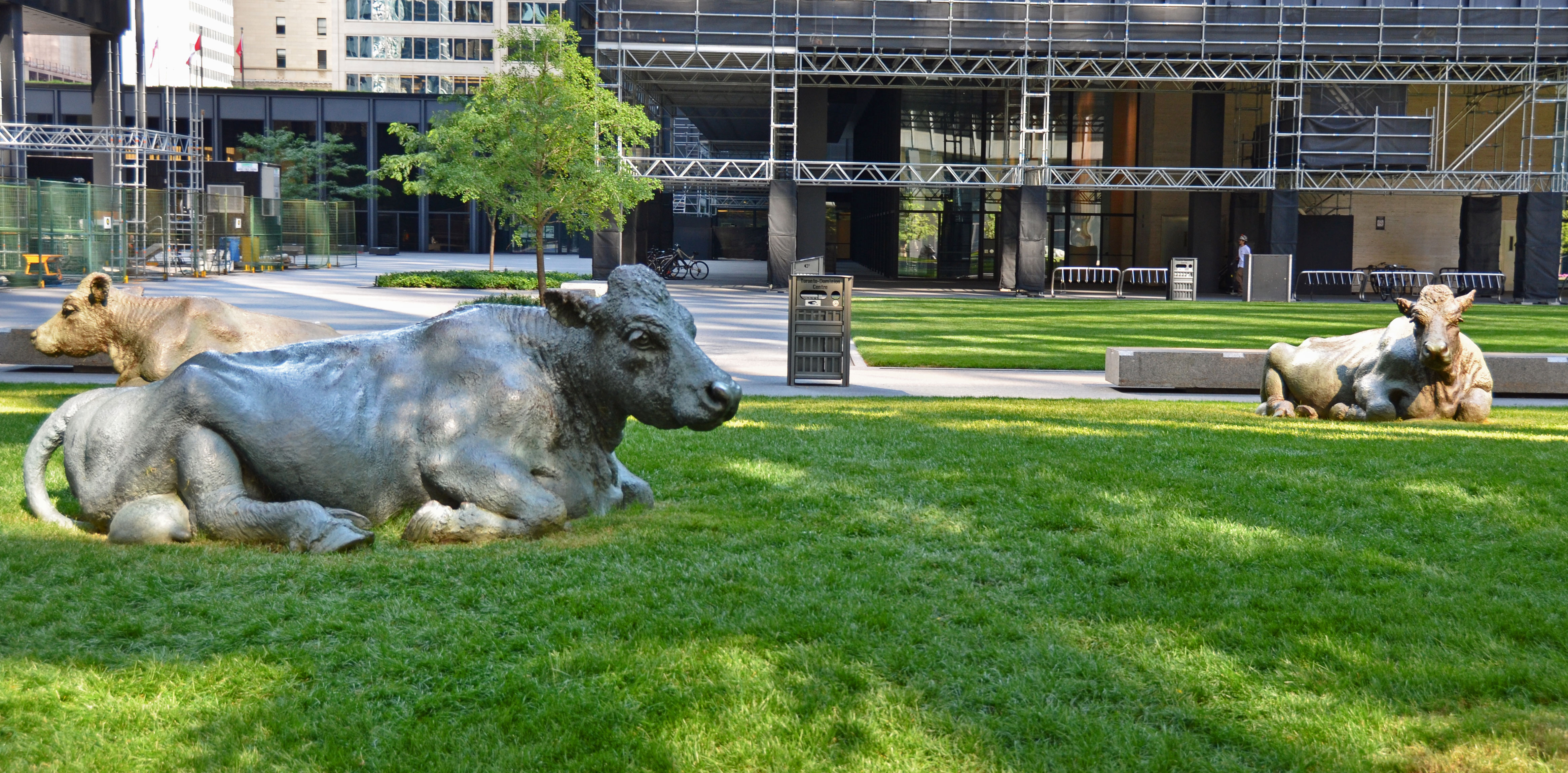
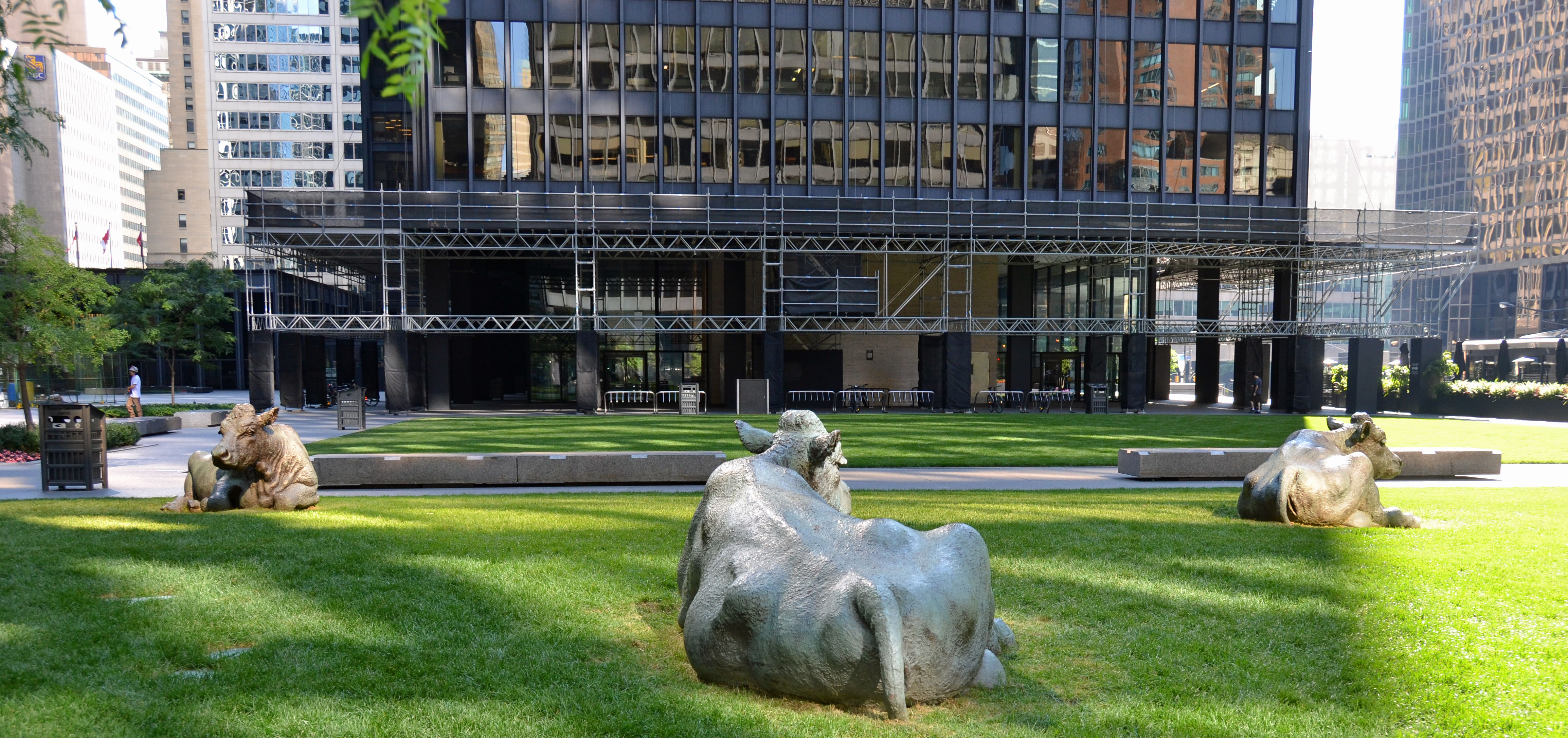
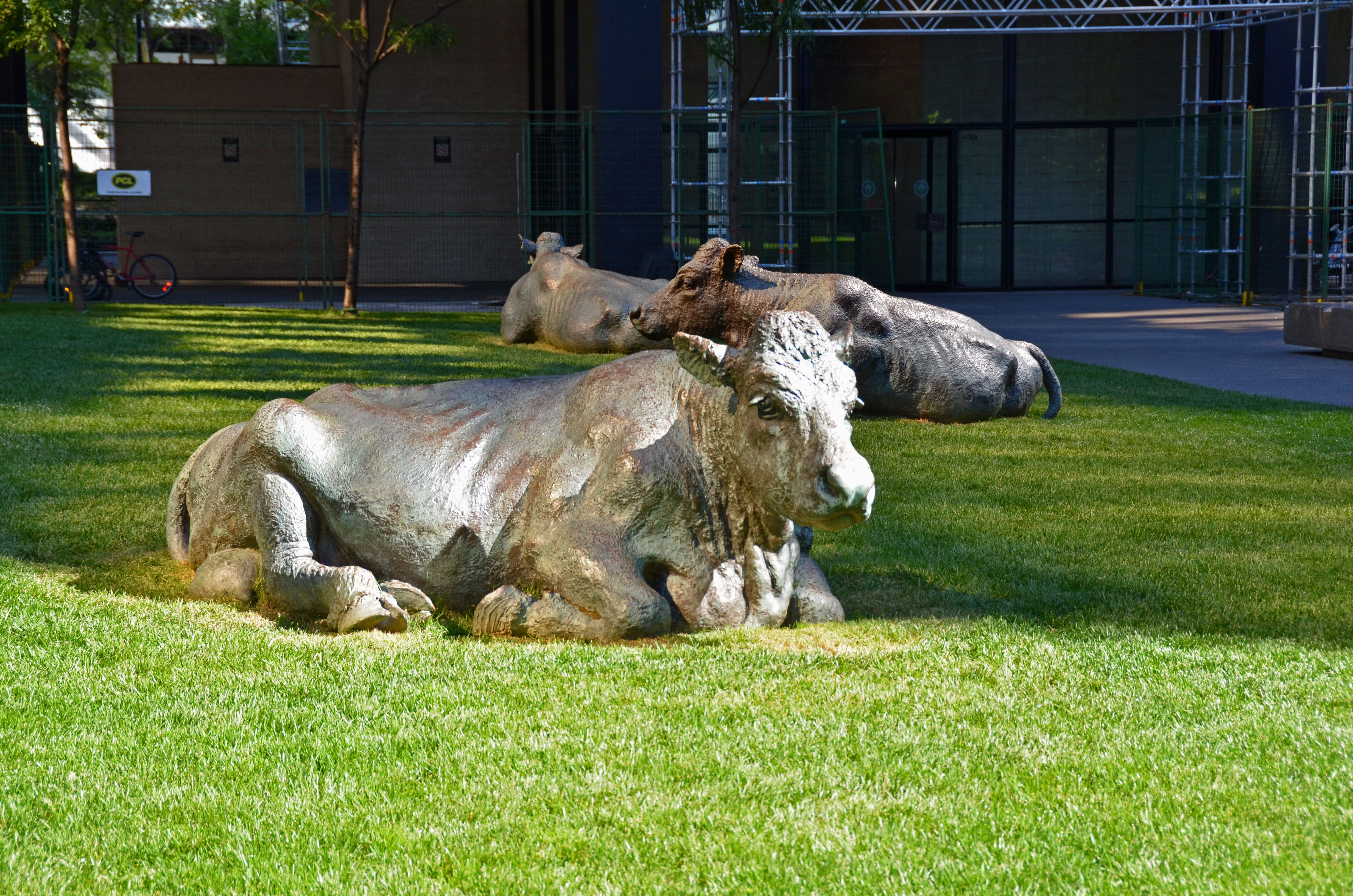
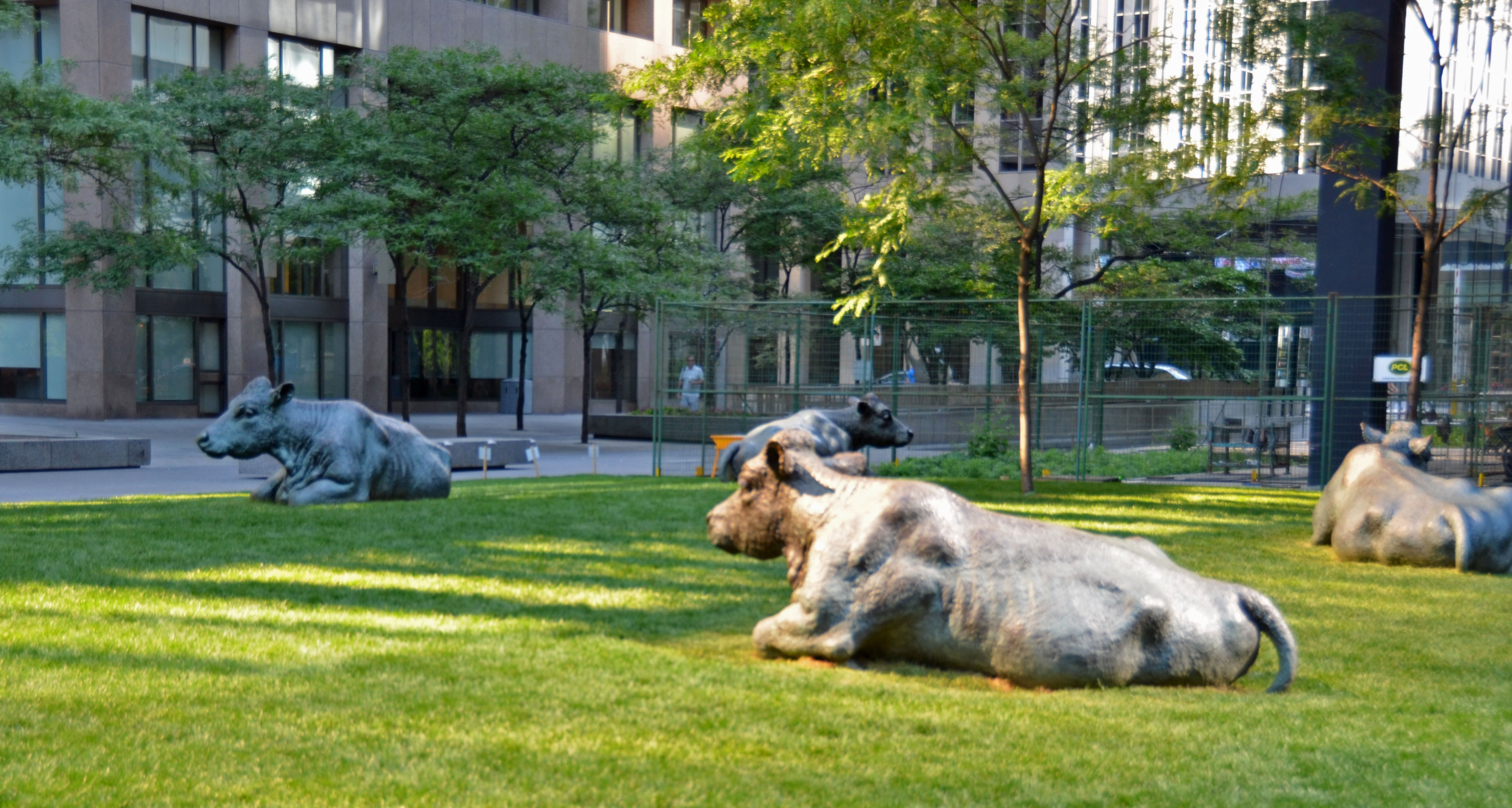
Art in urban settings is great to bring us out of ourselves and to refresh our minds. A wonderful example is artist Joe Fafard’s The Pasture, a group of bronze cows posed lazily resting in the bucolic setting of the Toronto-Dominion Centre office park (designed by Mies van der Rohe), is perfect for providing an unexpected feeling of being far away from the nearby hustle and bustle of the Financial District.
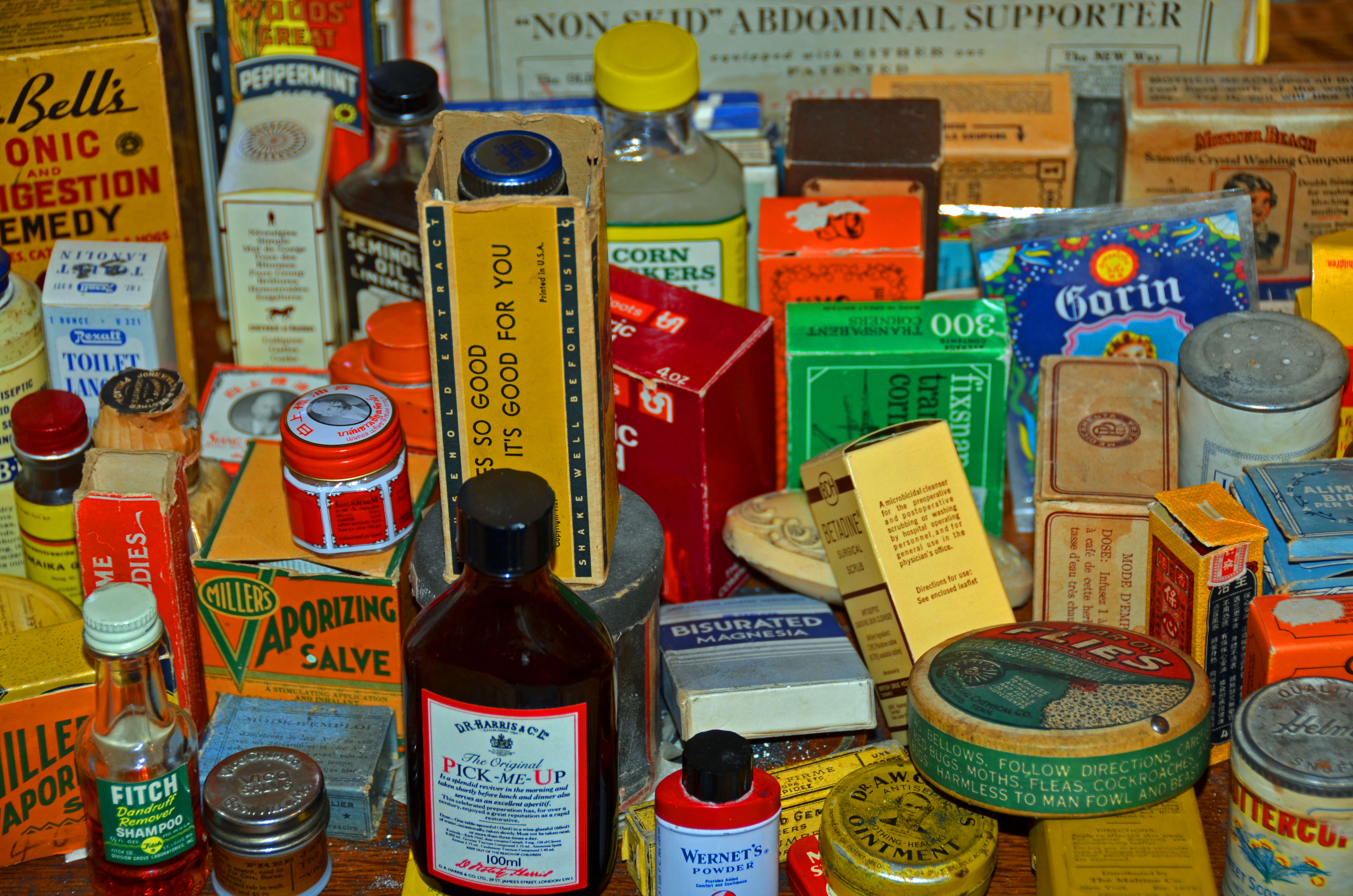
Snapped this collection of vintage salves, ointments and medicinal items at a Toronto antiques store in the Distillery District.

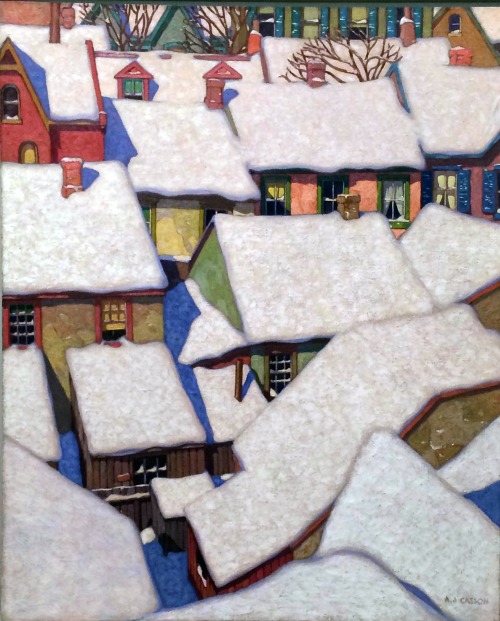
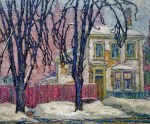
A. J. Casson, Rooftops
~
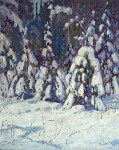
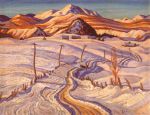
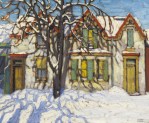
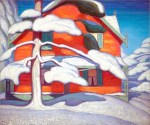
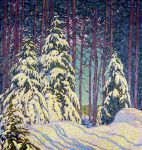
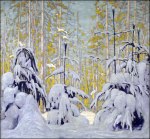
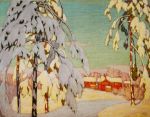
As the chill of wintry winds, snow and ice continues, a compilation of Canadian winterscapes by the Group of Seven artists seems in order. As always, the scenery by these talented artists is captivating! (Click on image to enlarge)

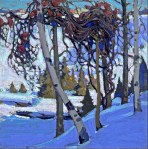
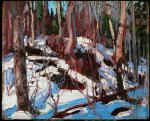


Similar posts on O’Canada:
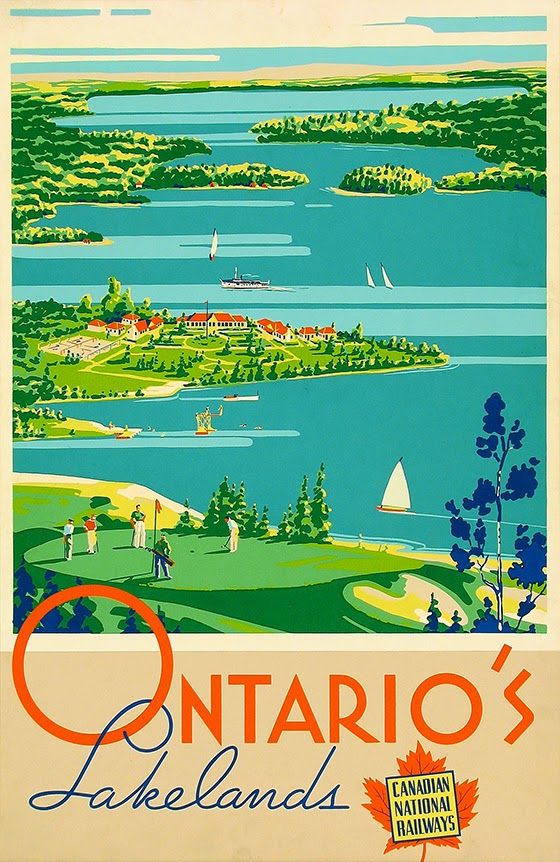
This nifty selection of vintage travel posters do a nice job capturing many of the wonders to be experienced in Ontario.
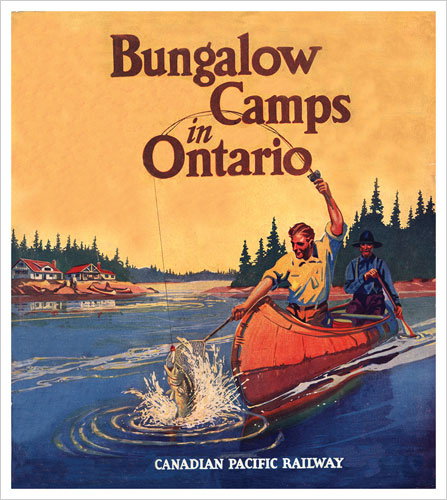
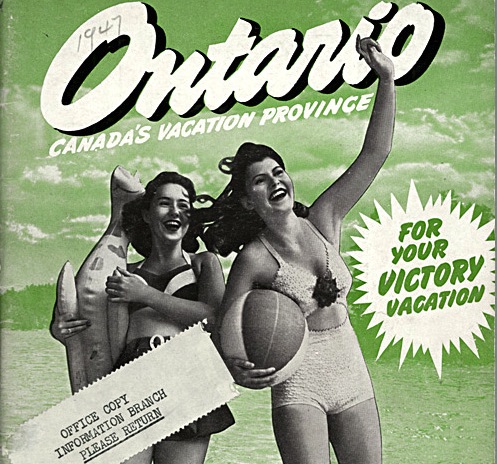
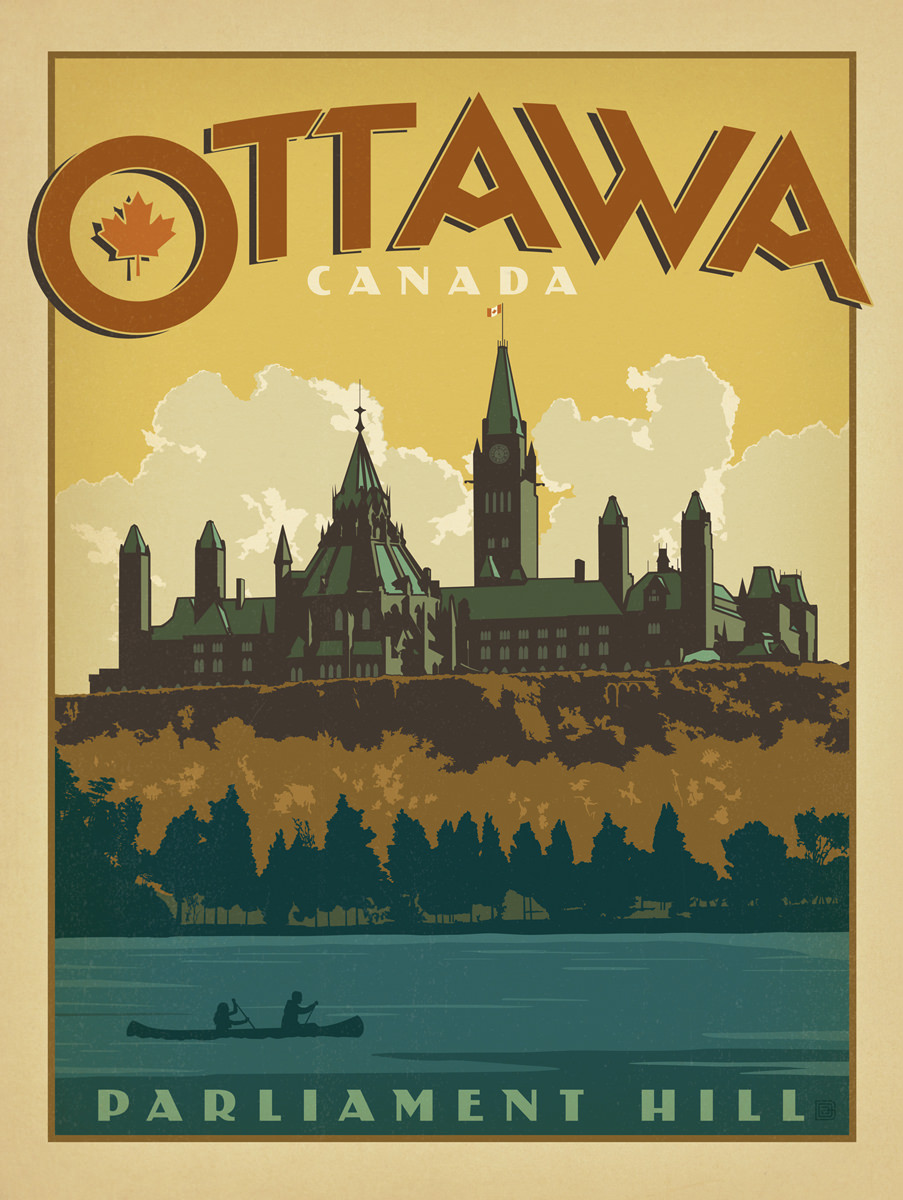
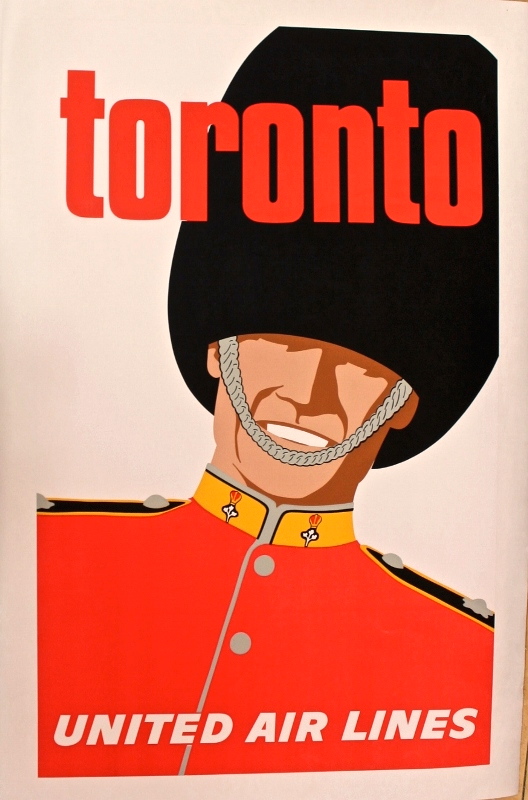
Similar Posts on O’Canada:
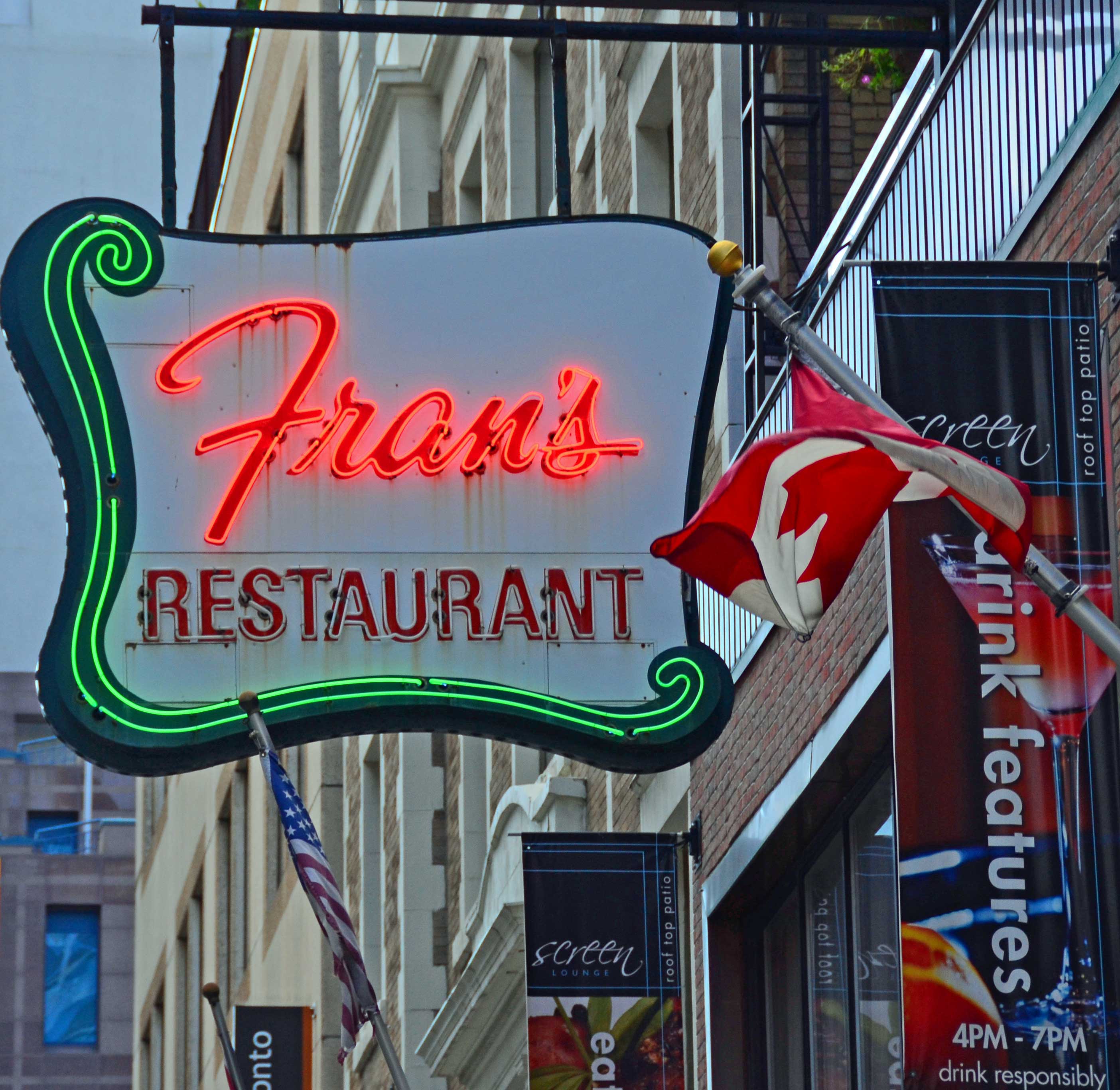
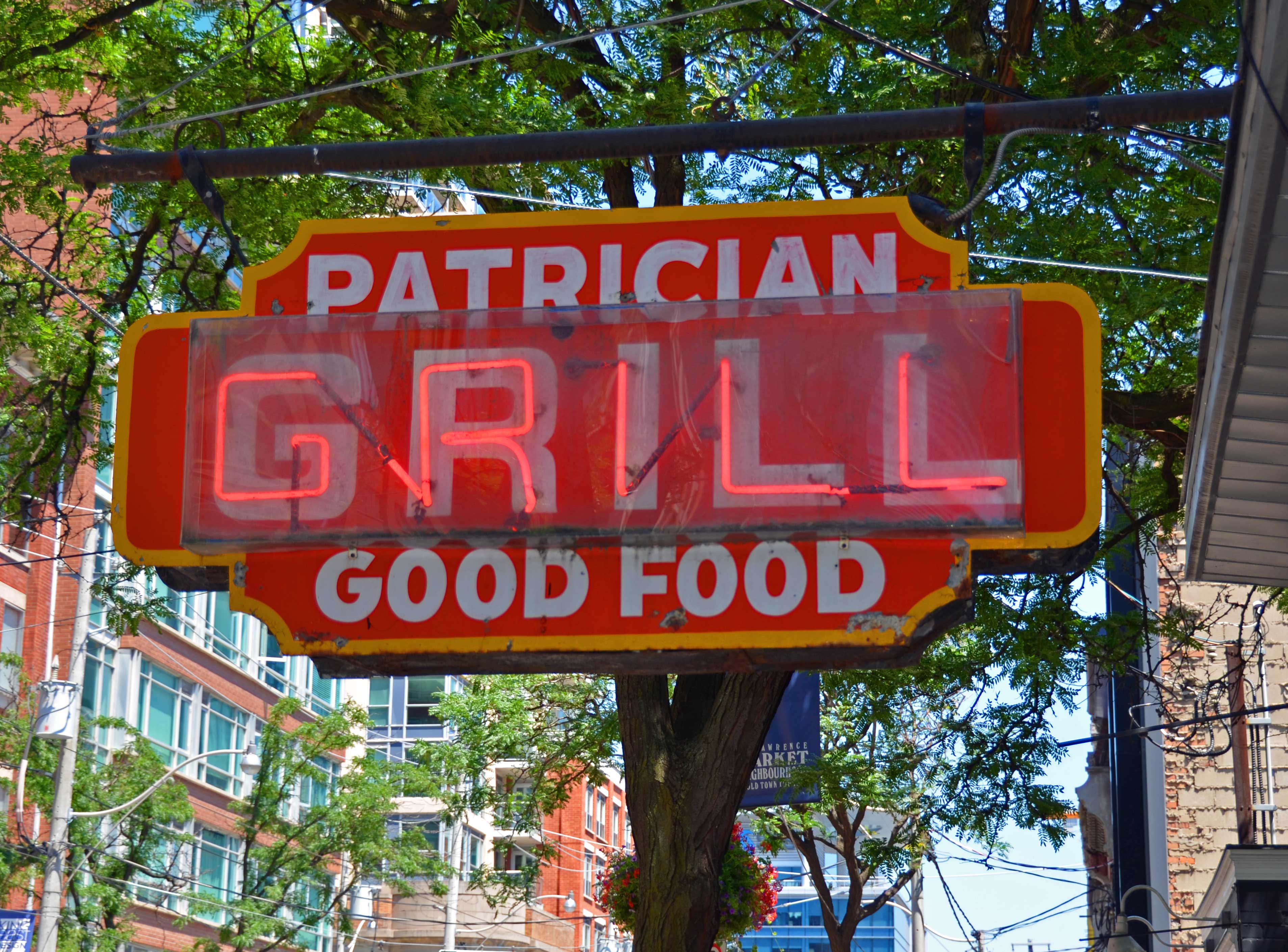
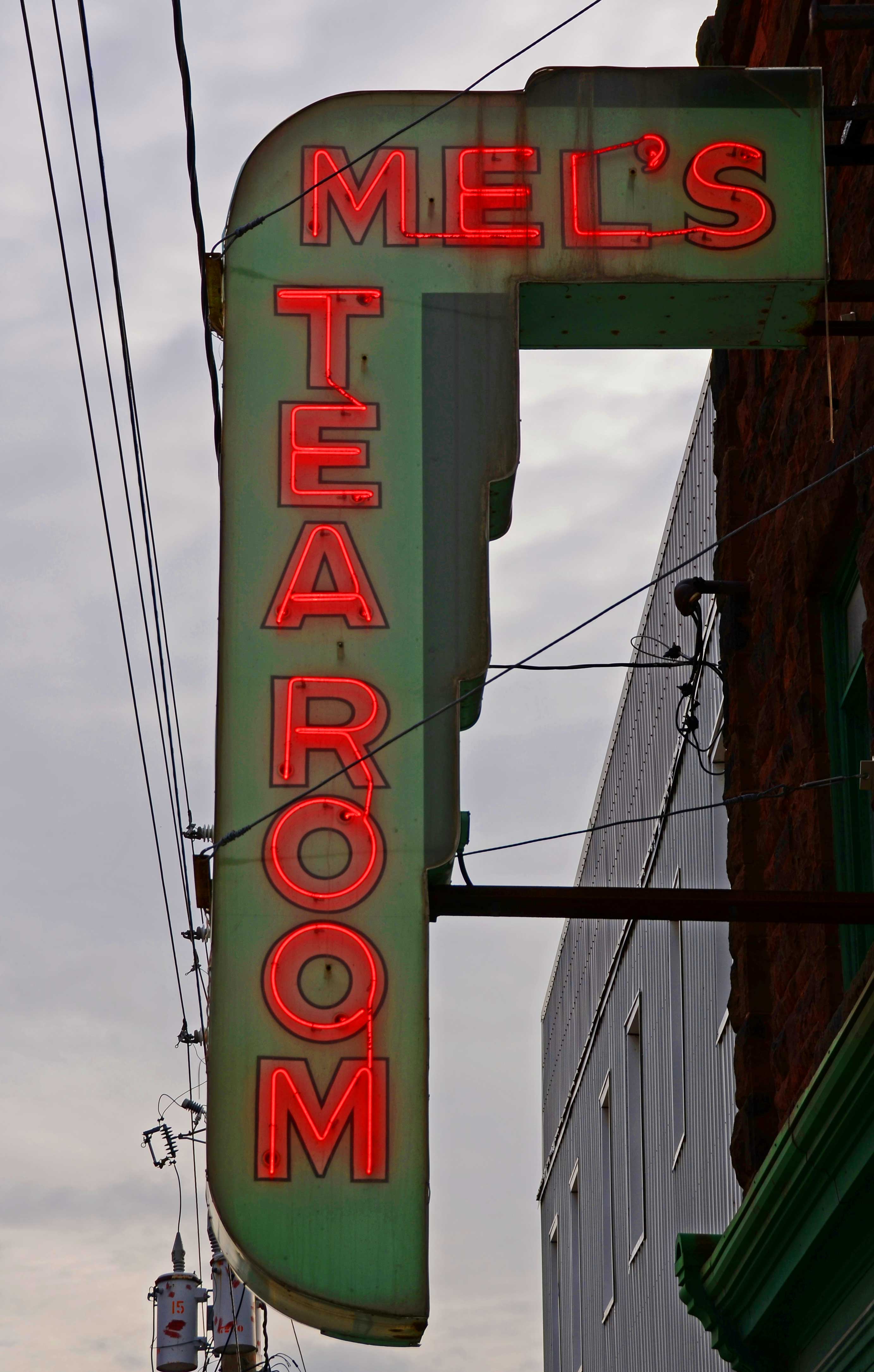
Mixed in among modern urban streetscapes, the look and feel of the rare classic neon and bulb-lit signs are distinctive. I spied these in Toronto and one in New Brunswick (the fabulous sign for Mel’s Tea Room!), which happily stand the test of time.

~
~
~

~


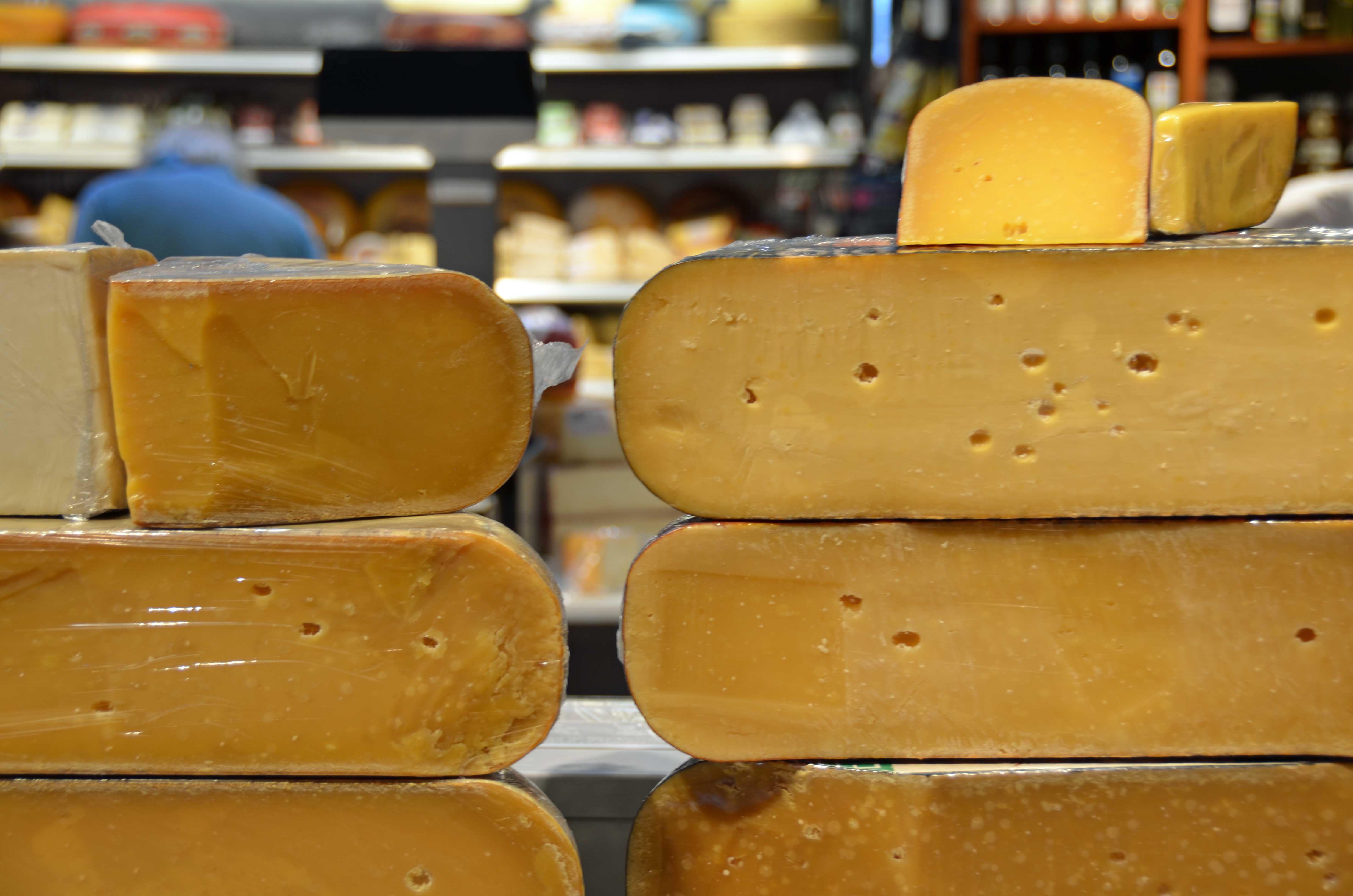
Since the early 1800s, the St. Lawrence Market in Toronto has been a traditional marketplace for fresh fruits, vegetables, cheeses and all manner of other agricultural products. It’s a colorful and happily bustling scene that has the distinction of being named by National Geographic in 2012 as the world’s best market. Even if a matter of opinion, that’s high praise! Snapping these shots between bites of a warm croissant graced with some local honey provided a relaxing hour’s idyll.


Similar posts on O’Canada:
⇒ Abundance at the Saint John City Market
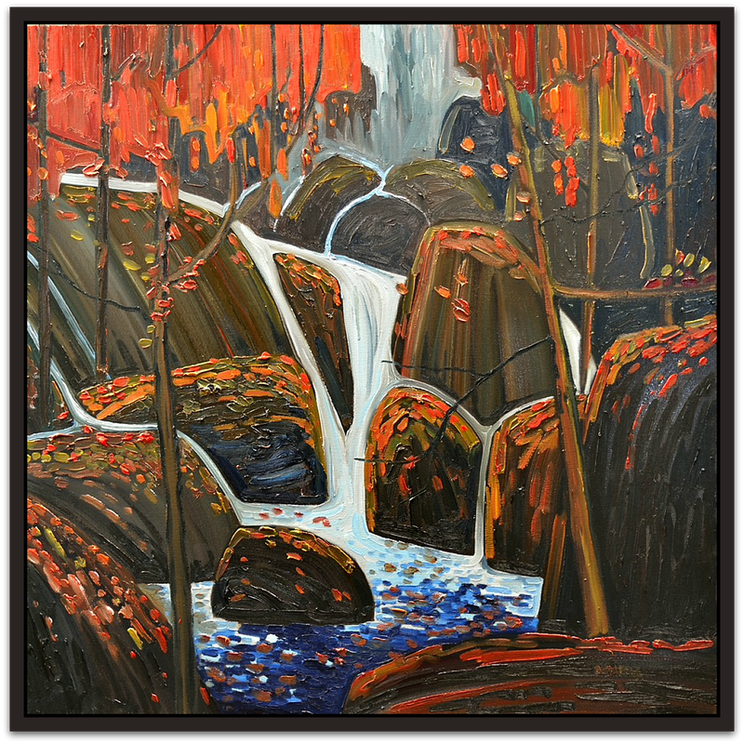
Robert McAffee, The Foot of the Falls
Toronto-based Robert McAffee’s contemporary landscape art is striking in many ways. His lush scenes of the Canadian wilderness pay homage to the influences of several Group of Seven artists — notably Lawren Harris, Tom Thomson, A.J. Casson and Arthur Lismer. McAffee seems to have internalized aspects of each with a resulting style that is wonderfully distinct from any one of them. More about McAffee’s beautiful artwork and links to galleries that carry his pieces can be found at his website here.
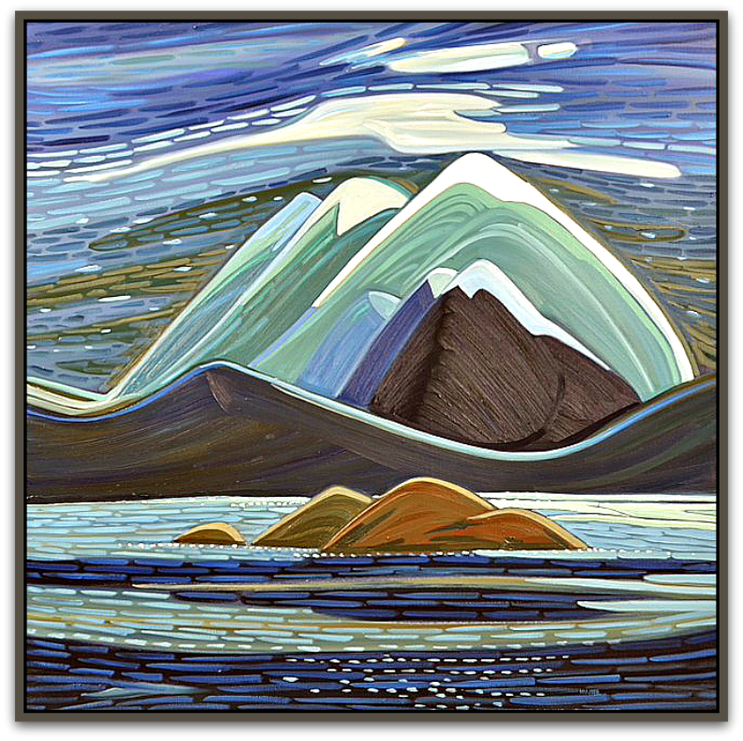
Robert McAffee, The Three Sisters
~
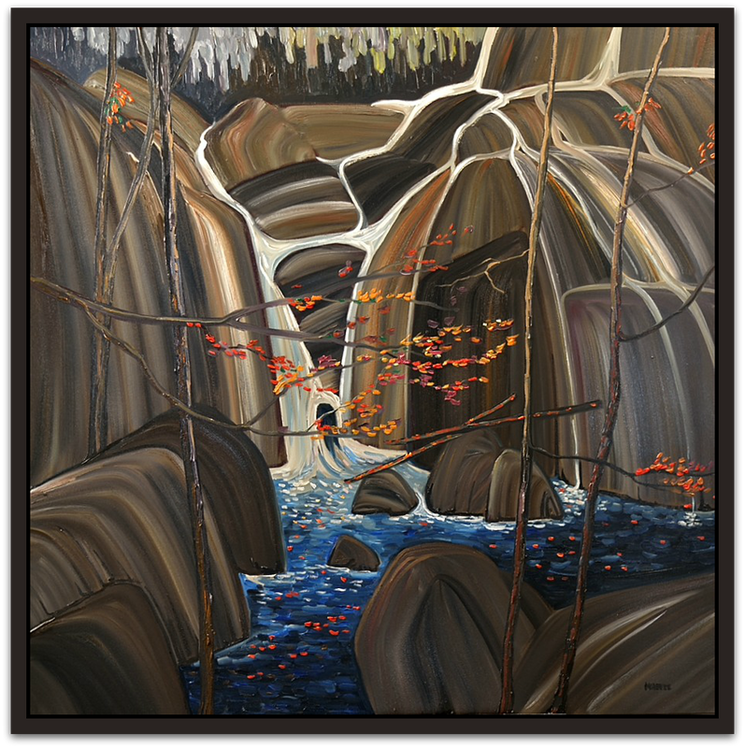
R. McAffee, Fishing By the Rocks
~
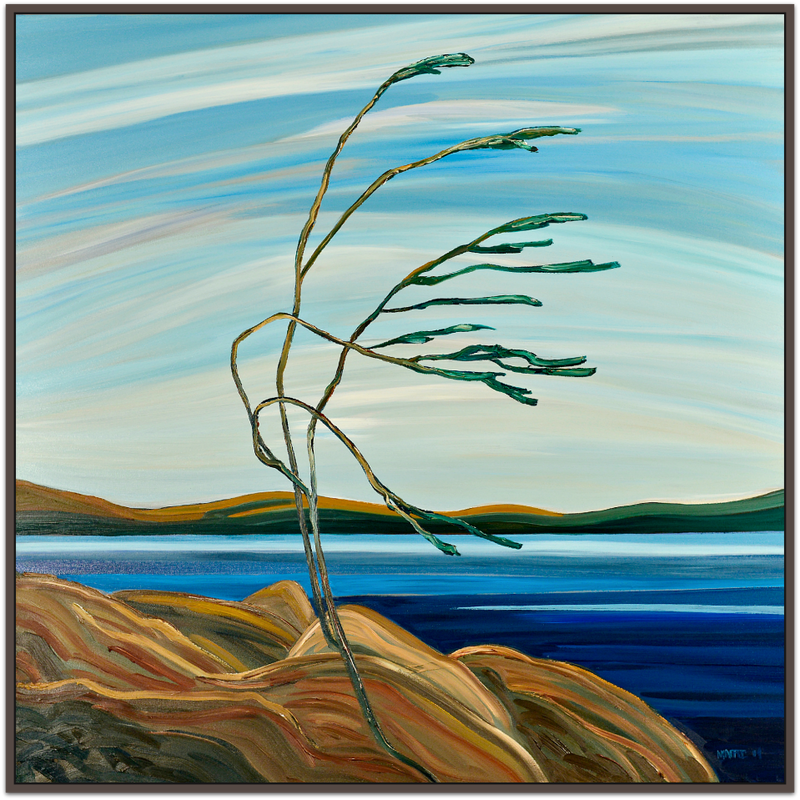
Robert McAffee, North Shore Twisty
~
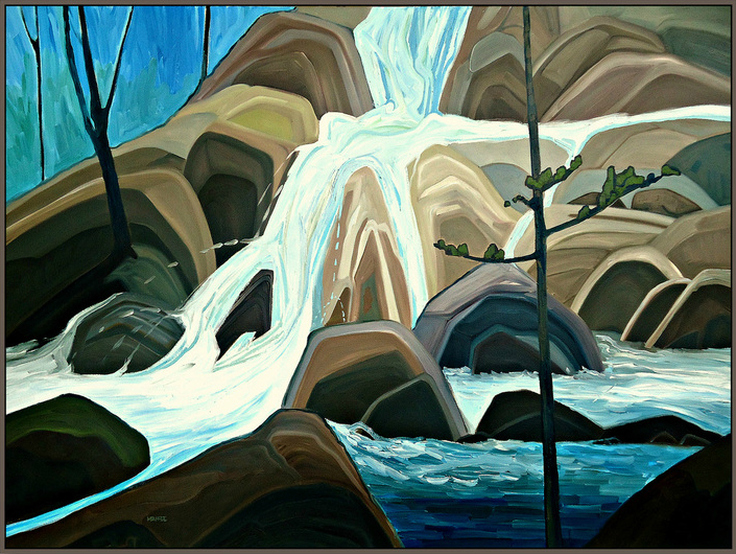
Robert McAffee, Waterfall
(Image credits: Artist’s website)
Similar Posts on O’Canada:
> David Silcox’s Exquisite Book on The Group of Seven
> The Group of Seven’s Landscape Explosion
> Amazing Landscape Artistry of Philip Buytendorp, Jennifer Woodburn and Steve Coffey
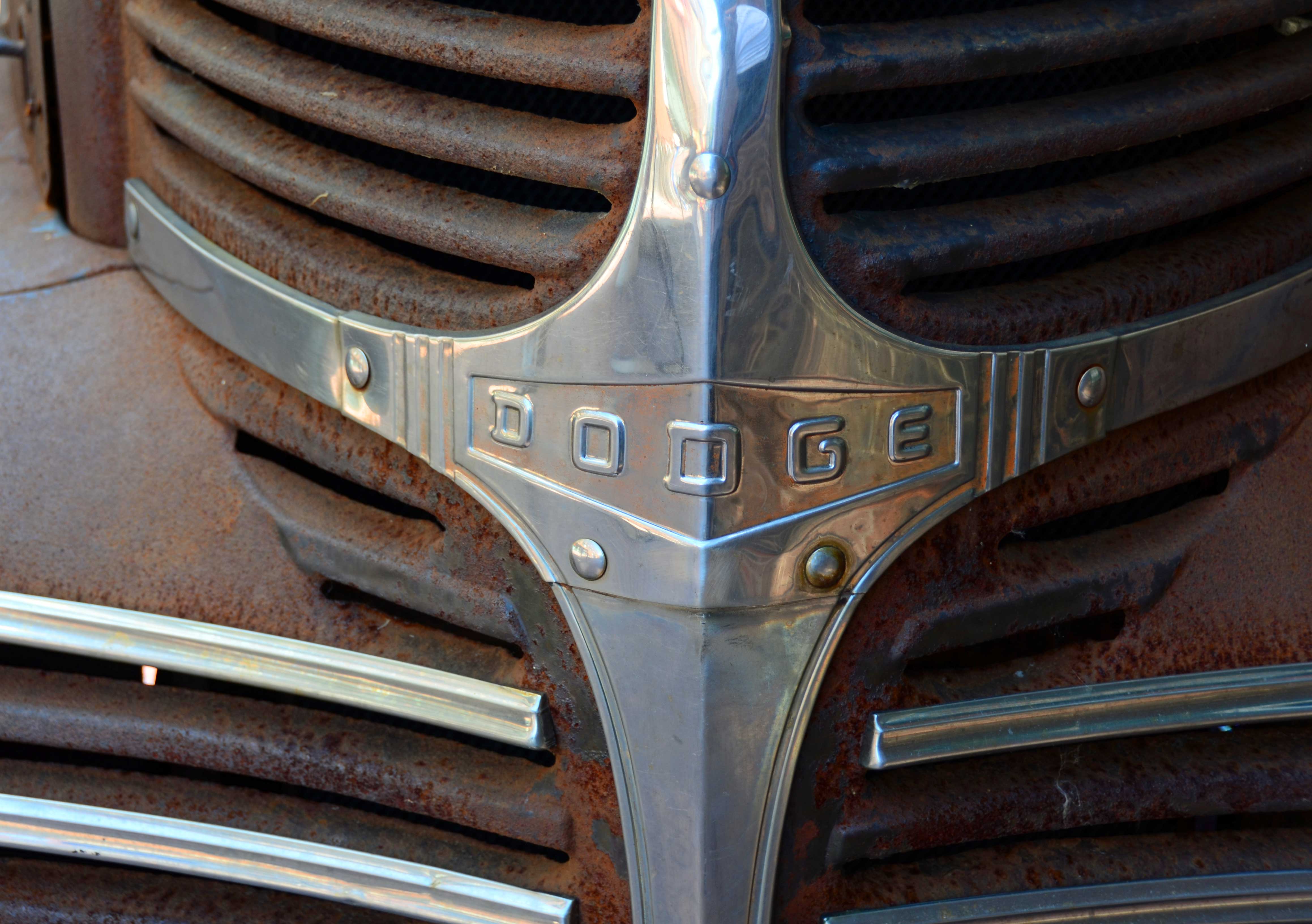
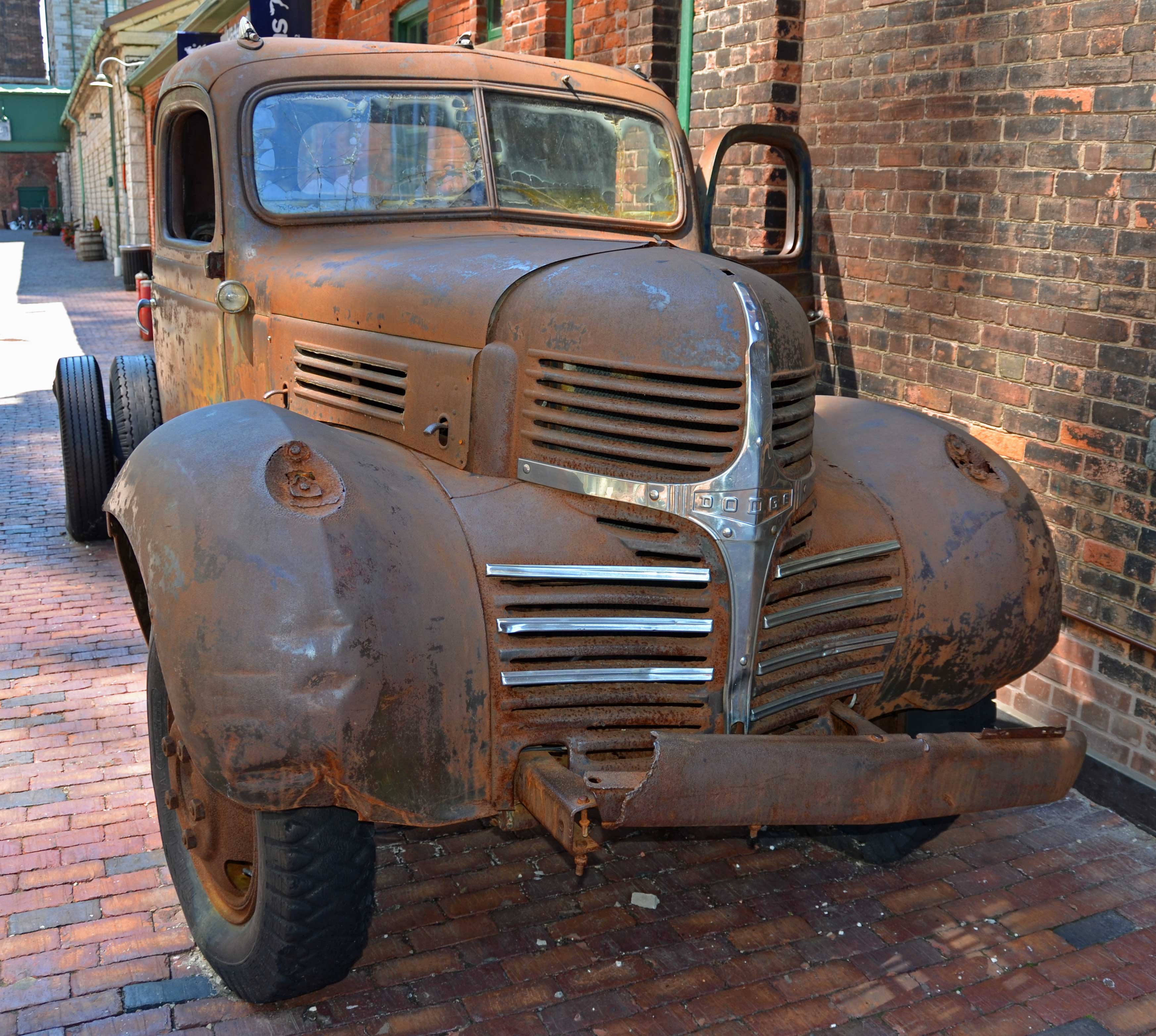
Situated along one of the wide pathways in Toronto’s Distillery District, this tired old Dodge truck from the 1940s exudes character with its highly stylized chrome grill cover brightly shining against varied shades of surrounding rust.

~

Crisscrossing the streets of Toronto, it struck me that I had to look harder there than in Montreal to find graffiti or street art. But what’s to be found in Toronto is every bit as varied and creatively expressed, as shown by these two examples, both in the Ossington Avenue area. I’ll post more later.

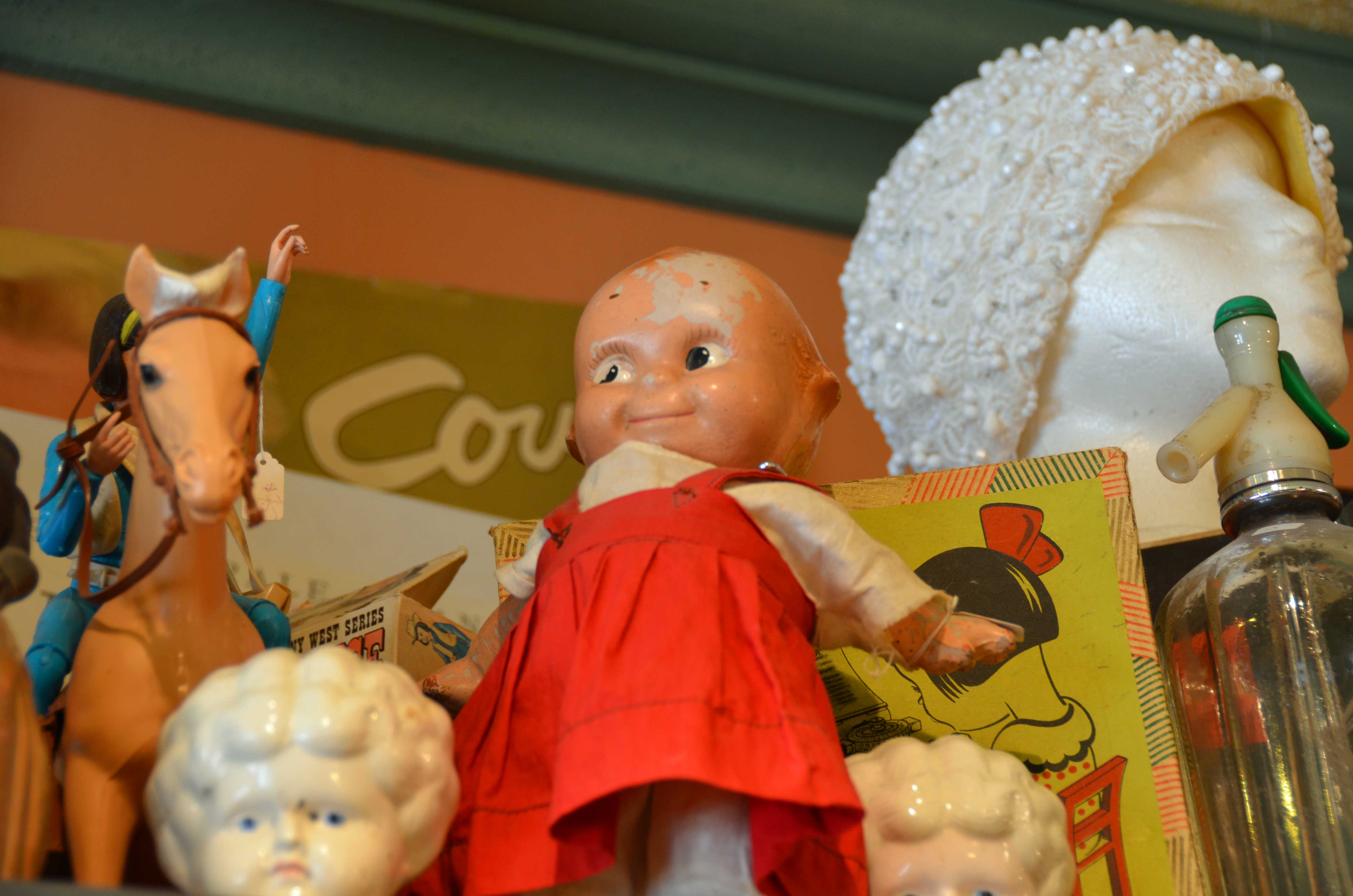
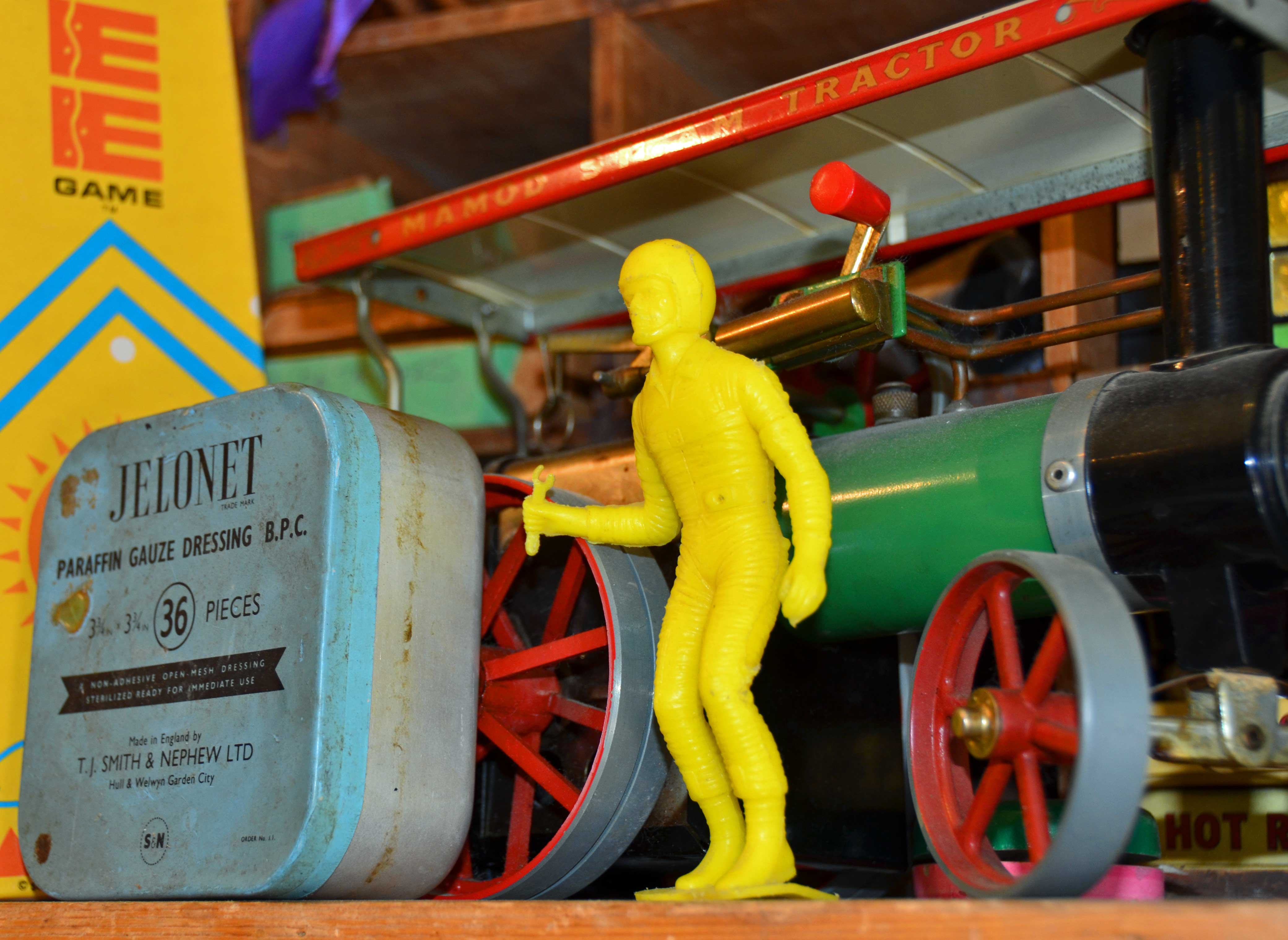
Following up on a recent post about Toronto’s Gaddabout Vintage, here’s another installment of wonderful baubles — this time toys and the like — that can be found in this perfect little shop with something for every taste (and age).


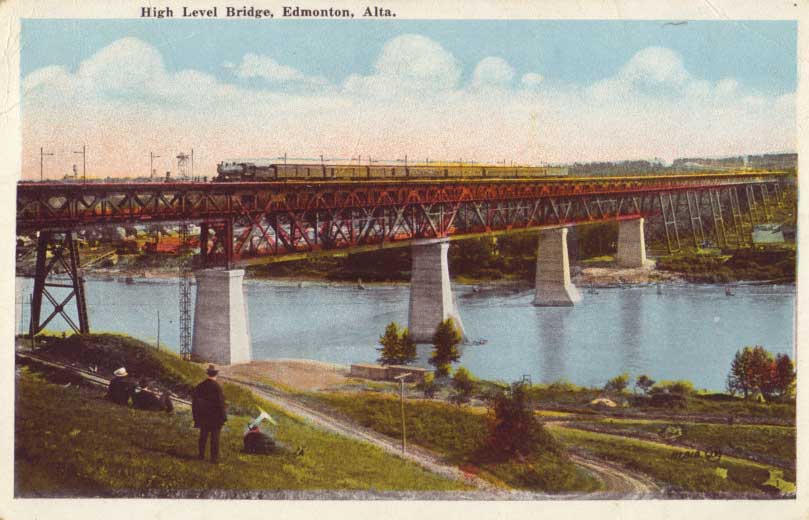
Steam train crossing as onlookers leisurely enjoy the vista. Postmarked 1921.
~
Even with sophisticated modern equipment, bridges are marvels of engineering skill. Bridges from earlier periods, such as the array of Canadian ones featured on these vintage postcards, built without the benefit of such conveniences and often at the cost of many lives and injuries, are that much more impressive!
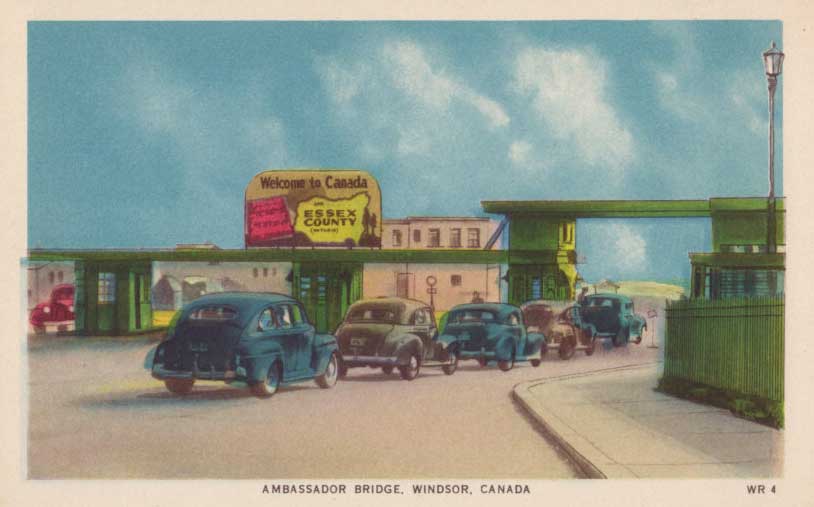
Heading into Canada from Detroit. About 1940s, when cars featured many curves.
~
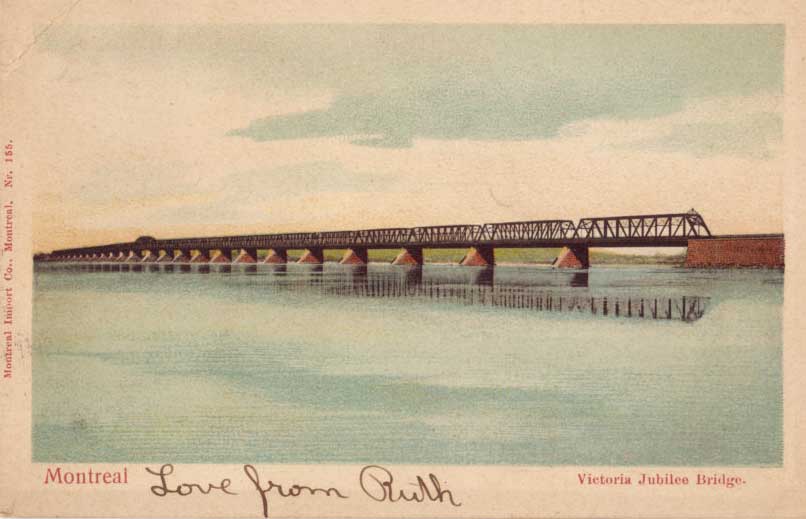
Love the simplicity of this image and the partial reflection. Postmarked 1906.
~


Similar posts:
• Beautiful Old Railway Bridge, Near Clementsport, N.S.

~
There’s a little something for everyone in Toronto’s very colorful, very funky Kensington Market neighborhood! Lot’s to look at, taste and absorb!


The mosaic or melting pot, as you prefer, that is Toronto is notably defined by its many distinct neighborhoods. By the time I realized I was working on a theme with these signage shots I had already overlooked about a dozen or so too many feet-miles earlier to readily retrace my steps.



~
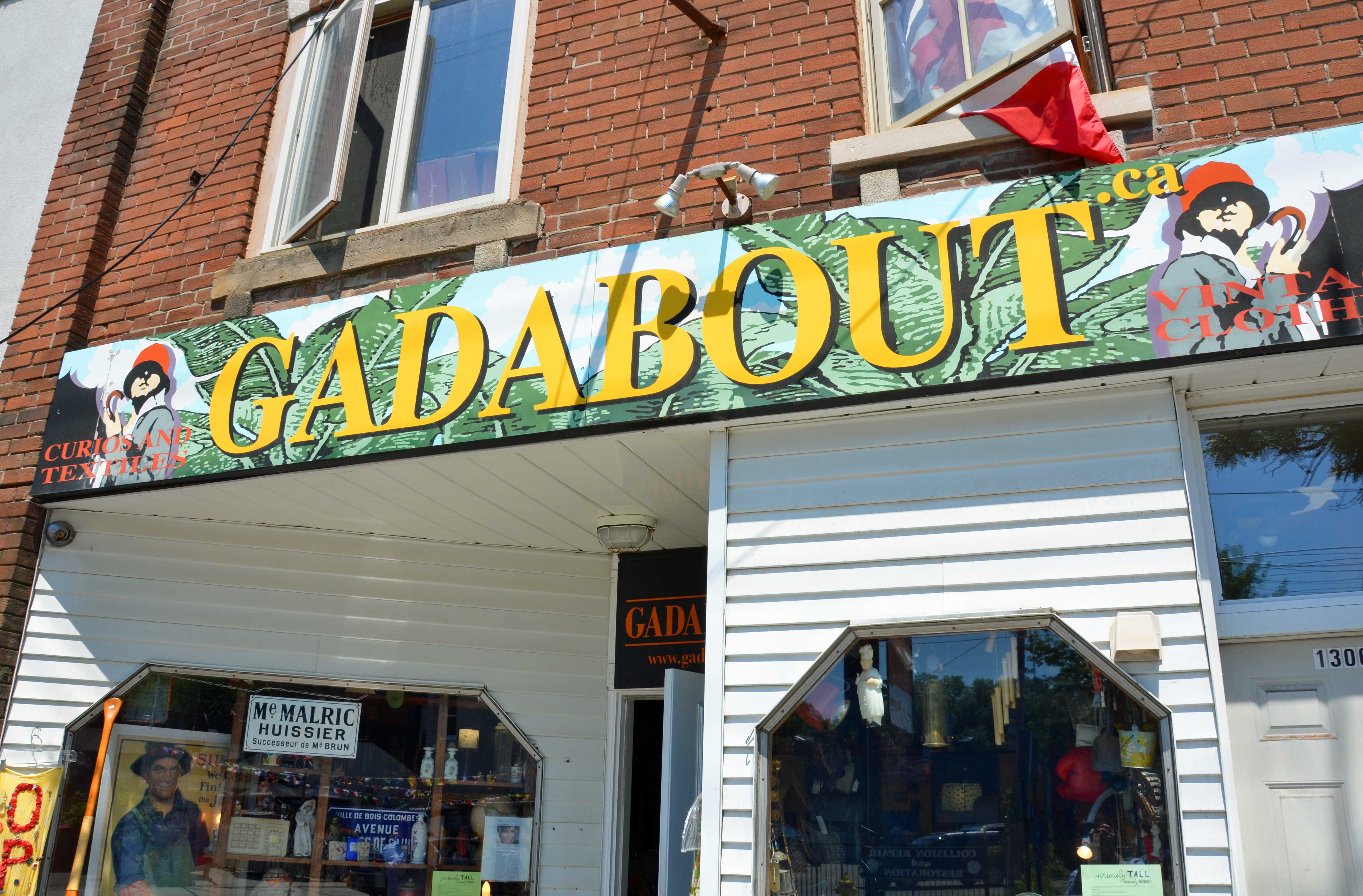
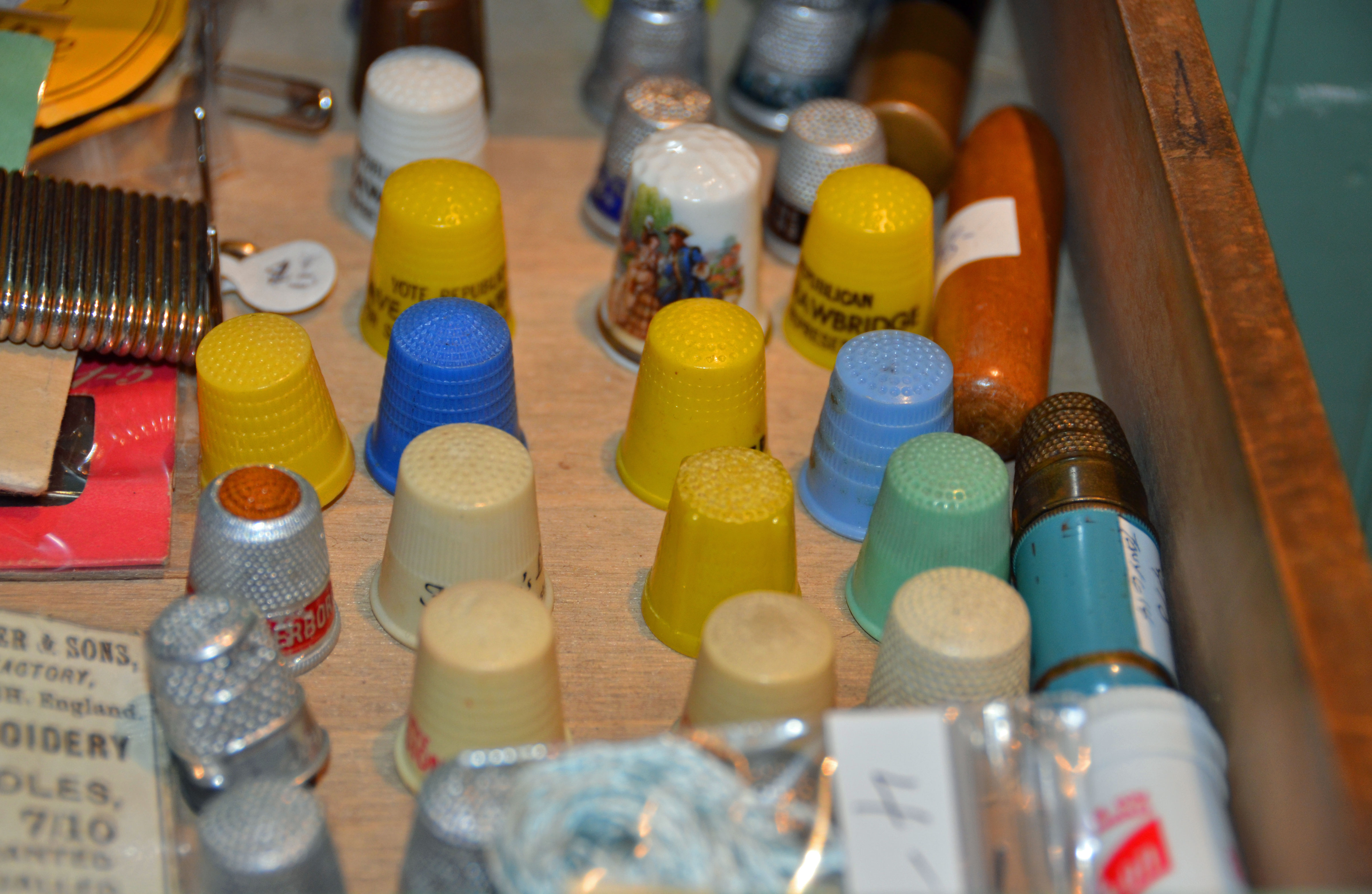
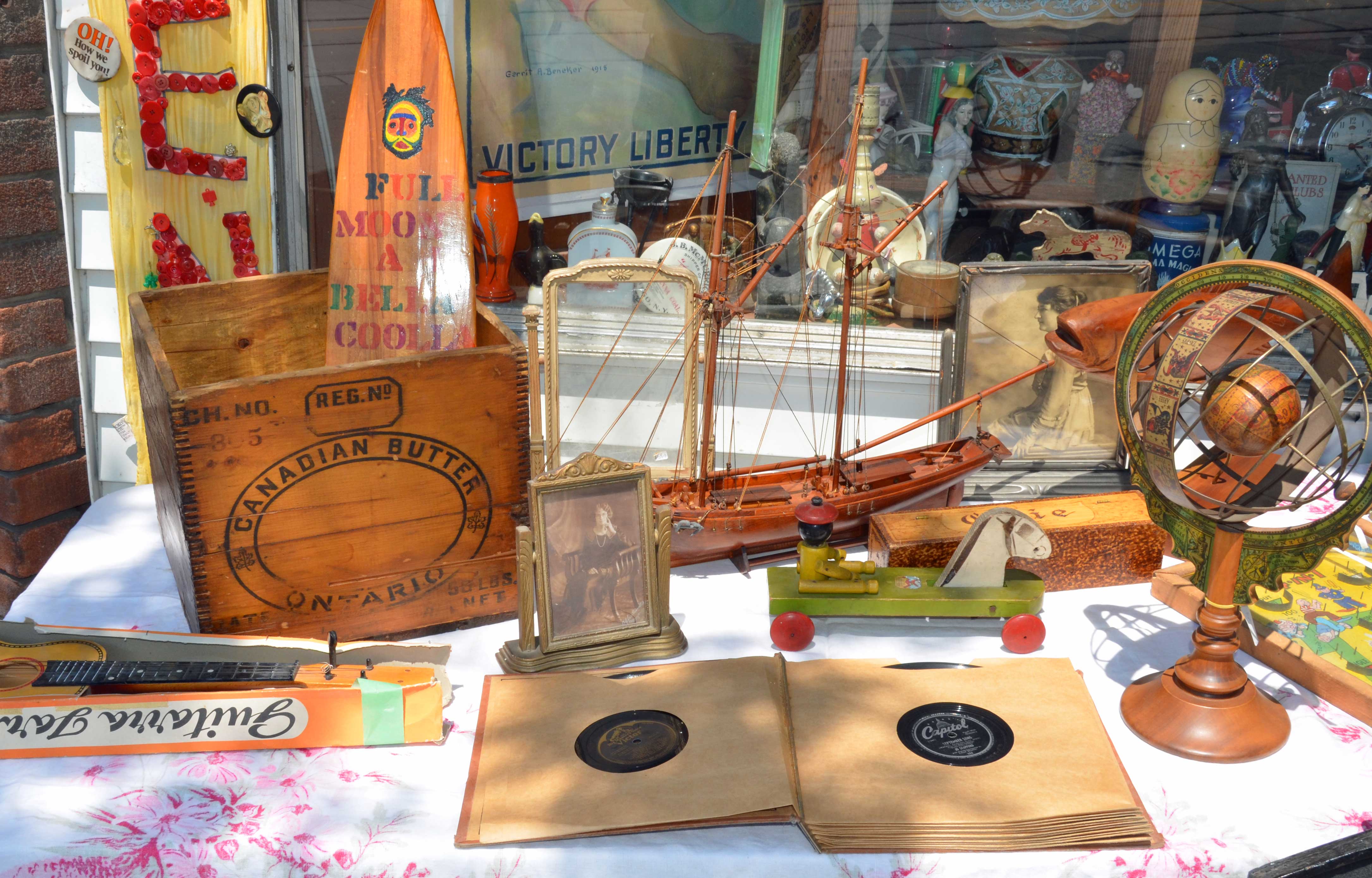
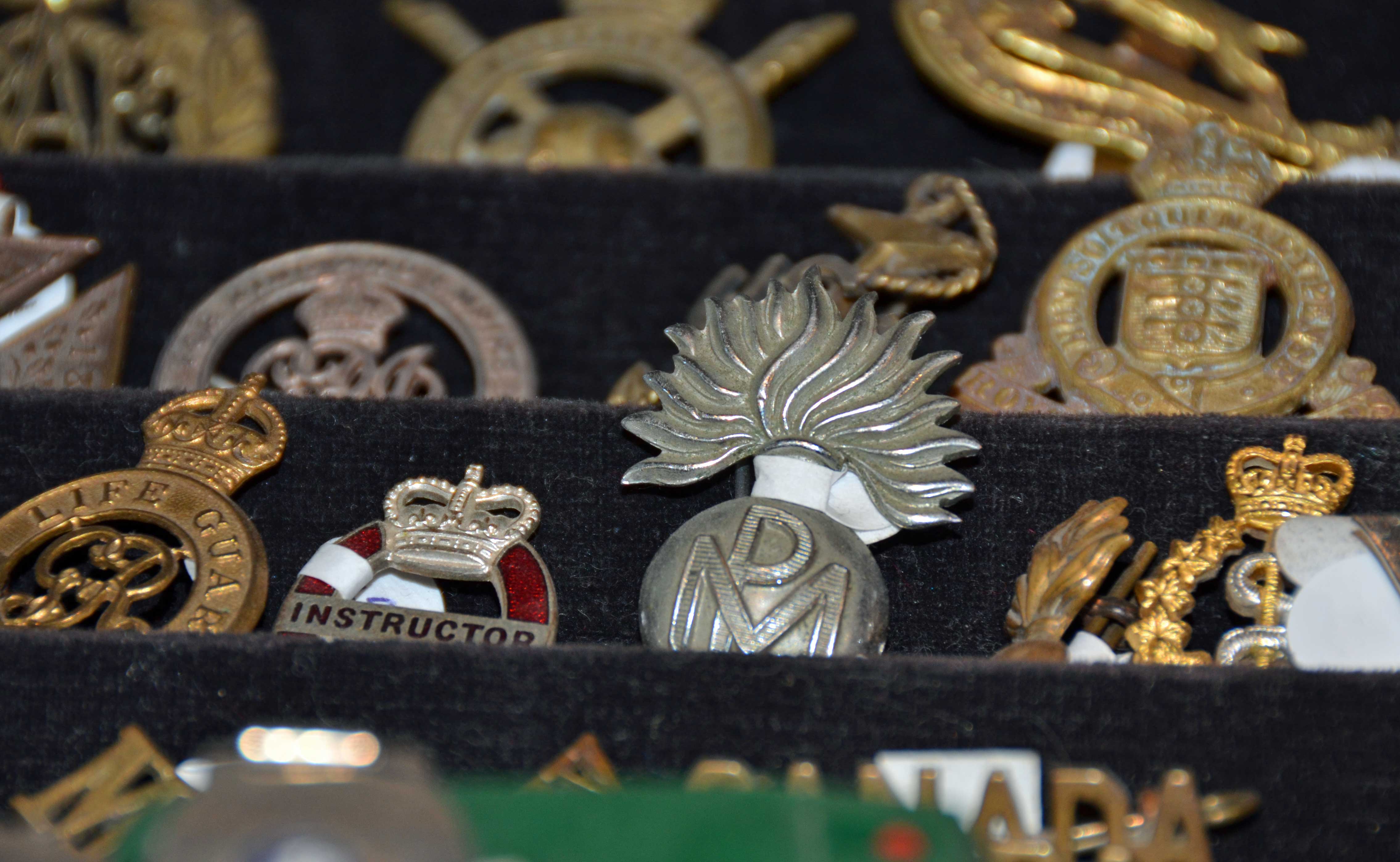
While spending a late morning in Toronto’s very hip Leslieville neighborhood I happened upon Gadabout, a fantastic vintage shop showcasing all manner of things from bygone eras. The store’s very friendly proprietor, Victoria Dinnick, was cheerily helpful and wonderfully gracious in allowing my impromptu photography in her jam-packed two-story shop. Equally as impressive as Gadabout’s extensive offerings of vintage items are the mad and clever organizational skills on display. For instance, numerous rustic cabinets and drawers are carefully labeled to hint at the nifty contents tucked within just waiting for the curious. (In one such drawer I found the heart-shaped box pictured below, with which I later happily surprised my sweetie.)
I plan to share several categories of photographs — including clothing, housewares, figurines and toys — from this neat little shop in future posts and these shots are just a sampling. More on Gadabout can be found at its official site here (or stop in over on Queen Street East!).

~
~
~
~
~

~

~
~

~


~
A while back I posted a collection of Quebec City manhole covers as an offbeat photo subject. From a recent trip to the wonderful urban melting pot that is Toronto, here’s another assortment of these often overlooked cast iron street fixtures. Having encountered at least 25 variations, I’m intrigued by the subtle expressiveness reflected in these compact circular spaces.


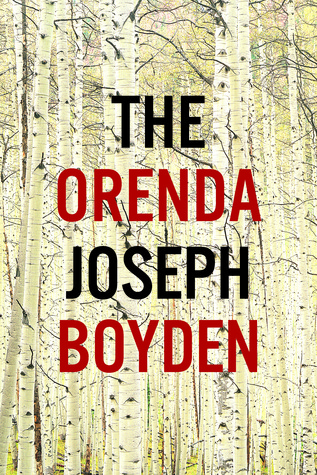
Oh, that bittersweet feeling of finishing a good book that not long before was a welcome and constant companion! So it is with my having just finished Joseph Boyden’s The Orenda, a gripping epic set around the mid-1600s during the time of first contact between First Nations people and Europeans in what would become Canada. The Wendat, or Huron, people, who are one of the principal subjects of this book, believed that each of us and every thing is endowed with an “orenda” or life force, and, so it is, more broadly, with cultures.
Not surprisingly, The Orenda was the top choice in the 2014 Canada Reads competition and good reviews abound for this riveting novel (for instance here on GoodReads). So, rather than pen another, below is a brief excerpt that encapsulates one of the deep philosophical themes underlying the drama that unfolds within its pages. Throughout my reading of Boyden’s poetic work my thoughts continually dwelled on how this snapshot of a not-too-distant earlier time aptly reflects the concepts found in Buddhism, Hinduism and some other spiritual traditions of samsara (the cycle of birth, death and re-creation), change and suffering, each of which are constants in our world and in the clash of civilizations throughout history.
“Success is measured in different ways. The success of the hunt. The success of the harvest. For some, the success of harvesting souls. We watched all of this, fascinated and frightened. Yes, we saw all that happeed and, yes, we sometimes smiled, but more often we filled with fret. The world must change, though. This is no secret. Things cannot stay the same for long. With each baby girl born into her longhouse and her clan, with each old man’s death feast and burial in the ossuary, new worlds are built as old ones fall apart. And sometimes, this change we speak of happens right under our noses, in tiny increments, without our noticing. By then, though, oh, by then it’s simply too late.
“Yes, the crows continued to caw as crows are prone to do, and after a while we got used to their voices even when they berated us for how we chose to live. Some of us allowed them their cackling because we found it entertaining, others because we believed our only choice was to learn how to caw ourselves. And still others kept them close for the worldly treasures their masters promised.
“It’s unfair, though, to blame only the crows, yes? It’s our obligation to accept our responsibility in the whole affair. And so we watched as the adventure unfolded, and we prayed to Aataentsic, Sky Woman, who sits by the fire right beside us, to intervene if what we believed was coming indeed coalesced. But Aataentsic only need remind us that humans, in all their many forms, are an unruly bunch, prone to fits of great generosity and even greater meting out of pain.”
~~~
~
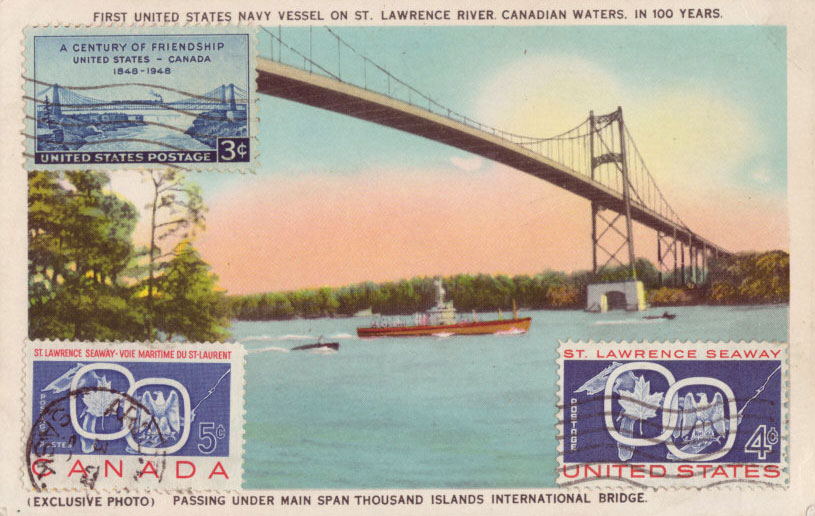
While bridges literally connect places, they also serve as a wonderful metaphor for connectedness between people and cultures. I have a collection of old postcards depicting various Canadian bridges that I plan to post shortly. Of these — especially during this week that includes the Canada Day and Independence Day holidays — the one that I feel best displays the connectedness idea is this postcard from around 1959 of the Thousand Islands International Bridge between southern Ontario and upstate New York.
The original holder of this card added a nice touch by including three very appropriate postage stamps to the front: the 4¢ Canadian and 5¢ American joint-issue stamps from 1959 marking that year’s opening of the St. Lawrence Seaway and an older 1948 U.S. 3¢ Century of Friendship stamp, which fittingly shows a bridge between the two countries over the Niagara River (first spanned in 1848; additional background can be found here).
~~~
Similar posts on O’Canada:
⇒ Cool Little Squares: Vintage Canadian Postage Stamps
⇒ Ever Bustling Early 20th Century Toronto
⇒ Vintage Quebec: Ox Carts, Dog Carts and Sleighs
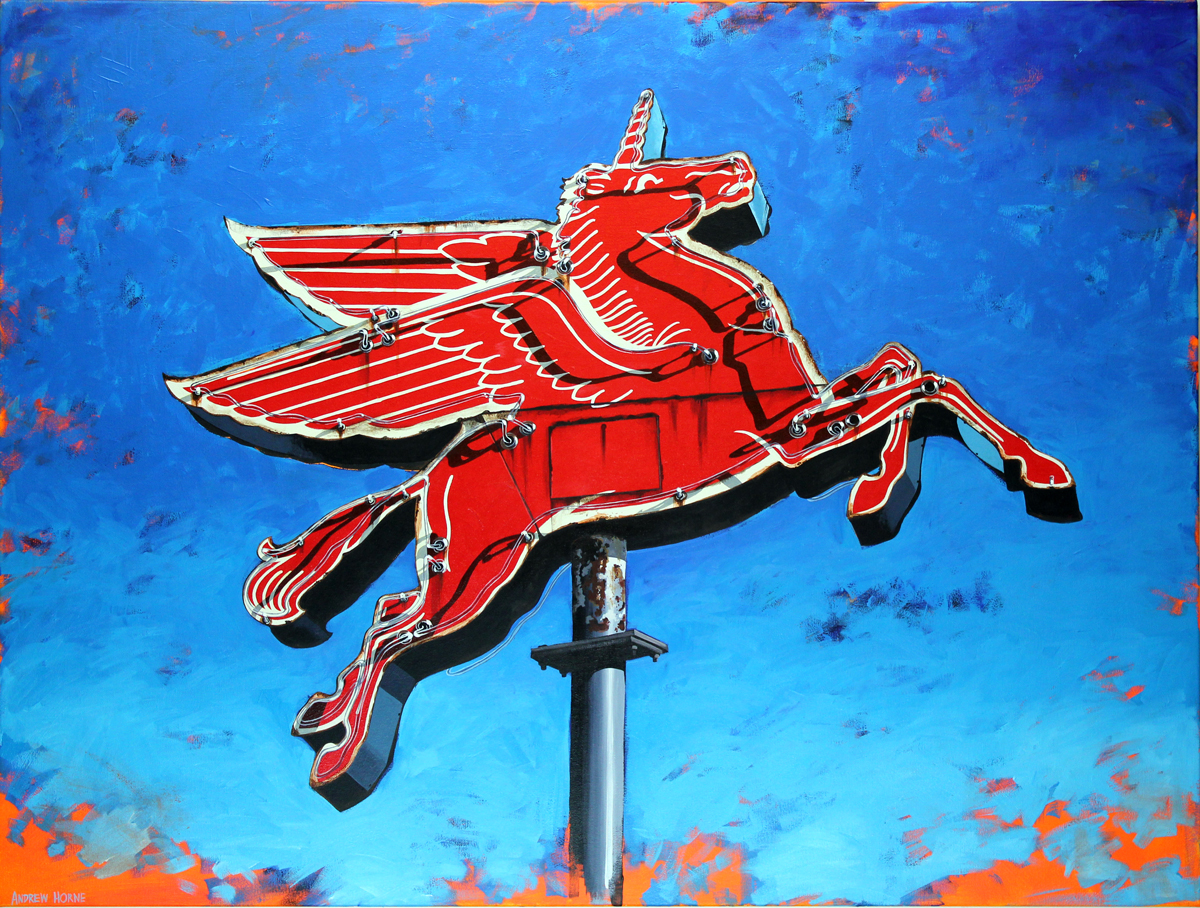
Andrew Horne, Pegasus Unicorn
~
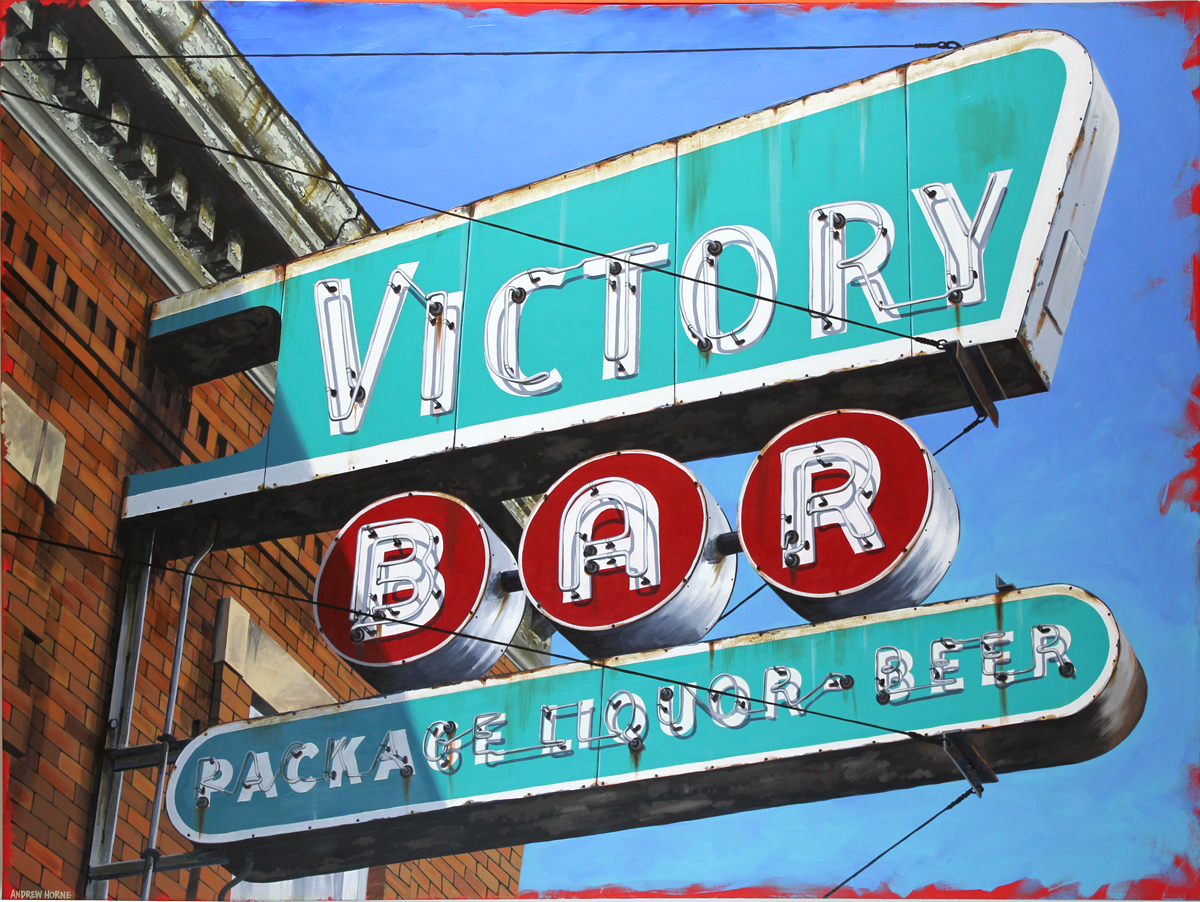
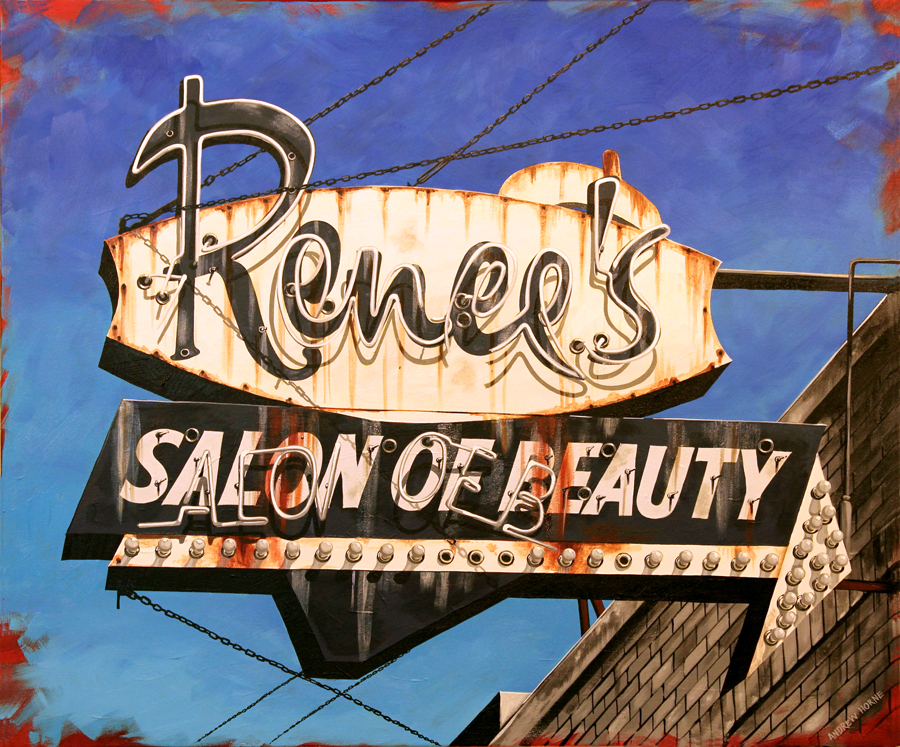
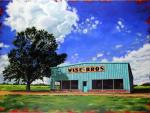
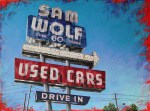
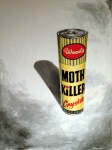
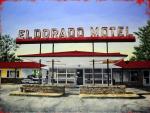
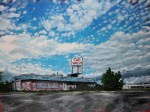
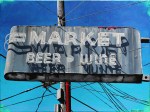
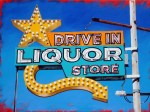
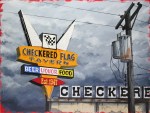
The serendipity afforded by the Web still amazes me at times and I love it when it allows me to stumble upon something of pure goodness, as I recently did when I came across the fantastically hip visual art of Toronto-based artist, Andrew Horne. His “typographic paintings”, in particular, are excellent. Most of these vivid pieces play around with classic signage and exhibit elements of studied photo-realism, pop-art irony and downright aesthetic gorgeousness. Above and below is a sampling of Horne’s clever work, more of which can be found at his artist website here.
(Horne also has an entrepreneurial streak, which he channels by operating the very cool Flying Pony Gallery and Cafe in the Little India area of Toronto.)
~
~
~

~



Other similar posts on O’Canada:
• Artist to Appreciate: Michael E. Glover
• Sean Yelland’s “Distant” and “Stop Everything”
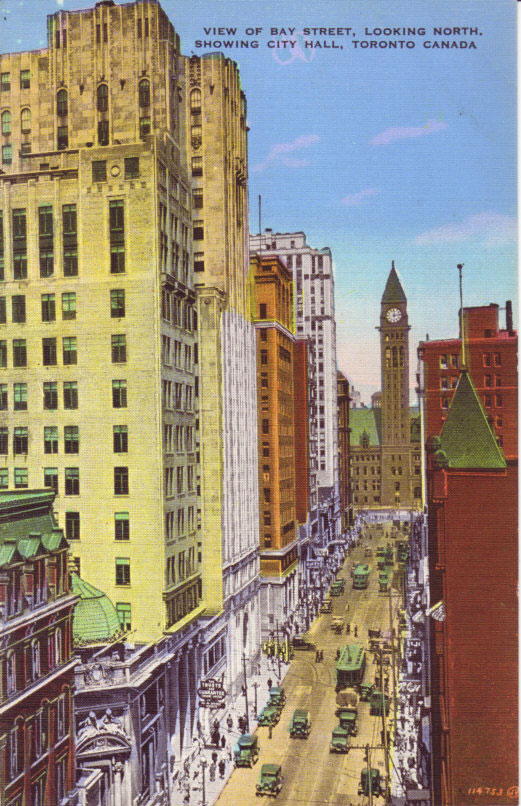
No Postmark– Around 1920s
The cityscape of Toronto, with its many tall buildings adorned with fine architectural detail and its bustling street-level activity, is most akin to what Americans encounter in the busy cities of New York and Chicago. These early 20th century postcards highlight the magnitude of Toronto even then. The people and vintage vehicles in these tinted images add interest and help define scale.
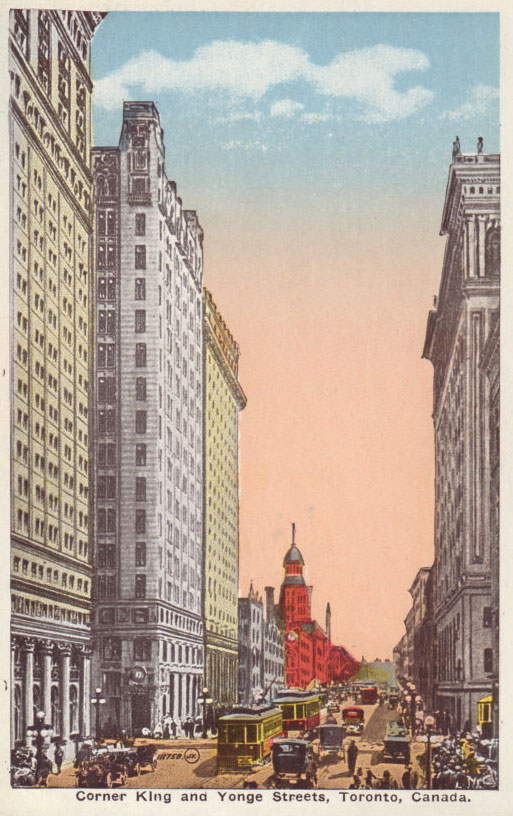
No Postmark — Around 1920s
~
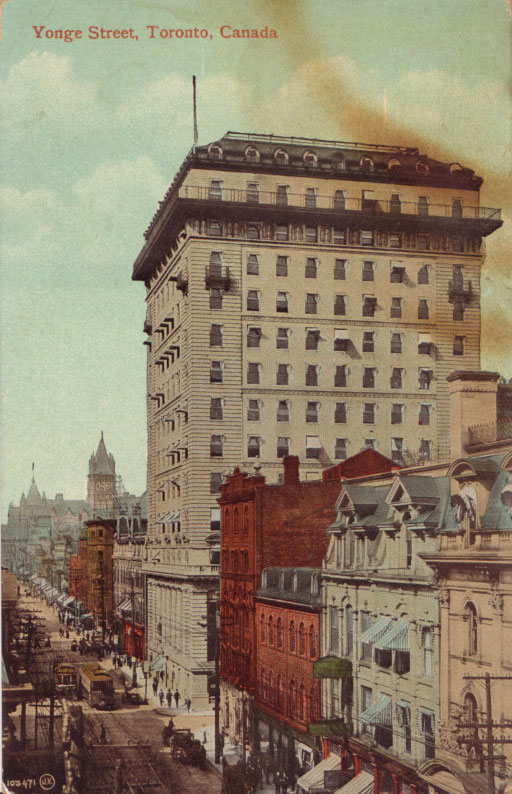
Postmarked 1910
~
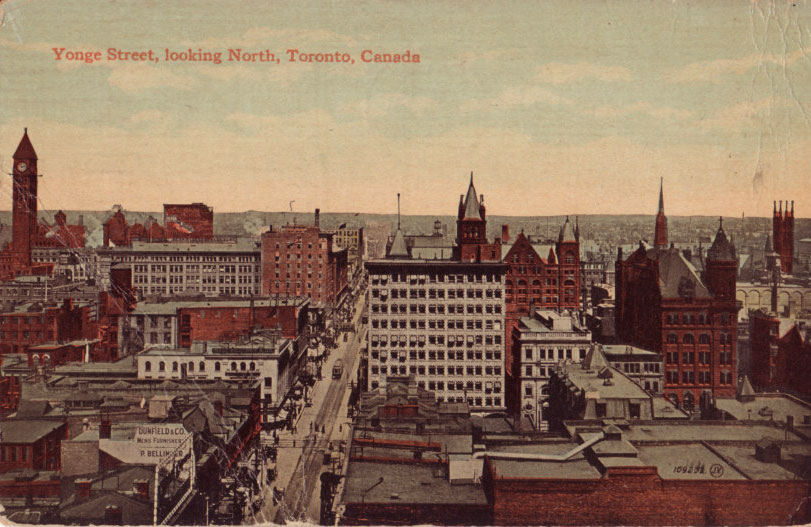
Postmarked 1918
~
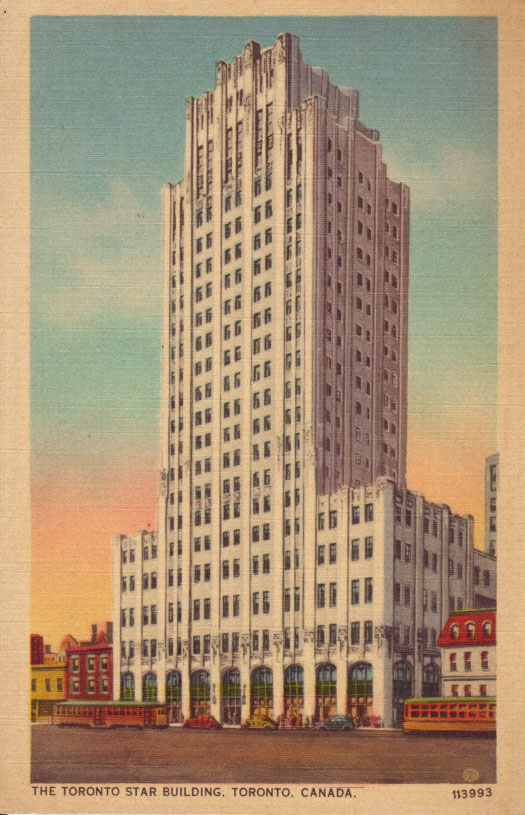
Postmarked 1939
~
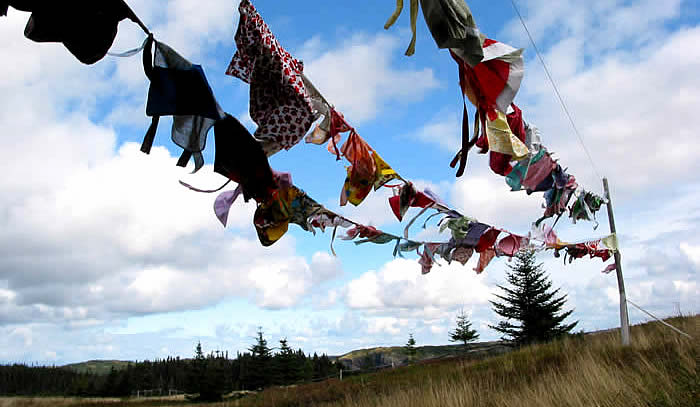
Aprons in the Wind, Port Rexton, Newfoundland, From Pam Hall’s “Apron Diaries”
___
Pam Hall is among the highly imaginative artists showcased at a current exhibition (through June 1) of contemporary art from the rugged province of Newfoundland at the McMichael Canadian Art Collection in Ontario.
That exhibition led me to Hall’s “Apron Diaries”, a series of installation works around the Trinity and Bonavista areas of Newfoundland in which she displays collections of aprons at worksites (such as upon fish flakes for drying salted cod or hanging at a local bakery or at a fisheries plant) as a celebration of the often unsung labor of women. Images of wind-fluttered aprons affixed to weathered fish flakes are particularly colorful and moving (literally) tributes to women’s essential work roles in their communities. 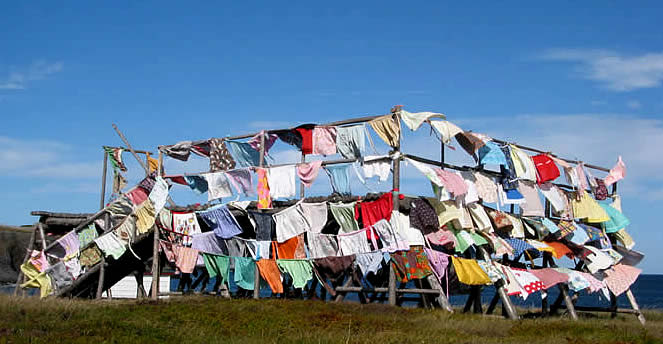
Aprons on a Fish Flake, From Pam Hall’s “Apron Diaries”
*

Aprons Festooned at a Fisheries Plant, From Pam Hall’s “Apron Diaries”
*
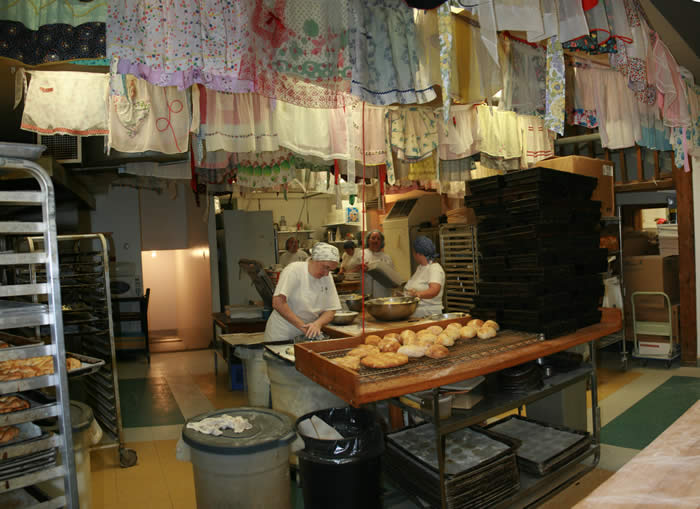
Baking Amidst Aprons, From Pam Hall’s “Apron Diaries”
*
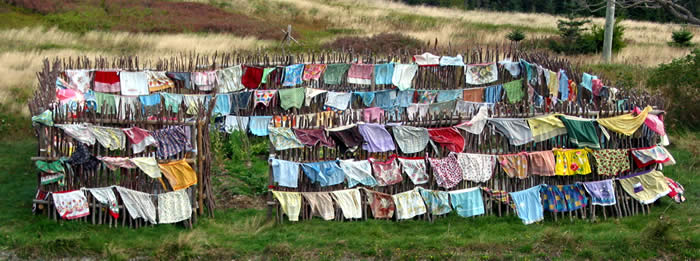
More Colorful Aprons on a Fish Flake, From Pam Hall’s “Apron Diaries”
*
More about Hall , her siteworks and other art can be found at her website here.
(Image Credits: Pam Hall)
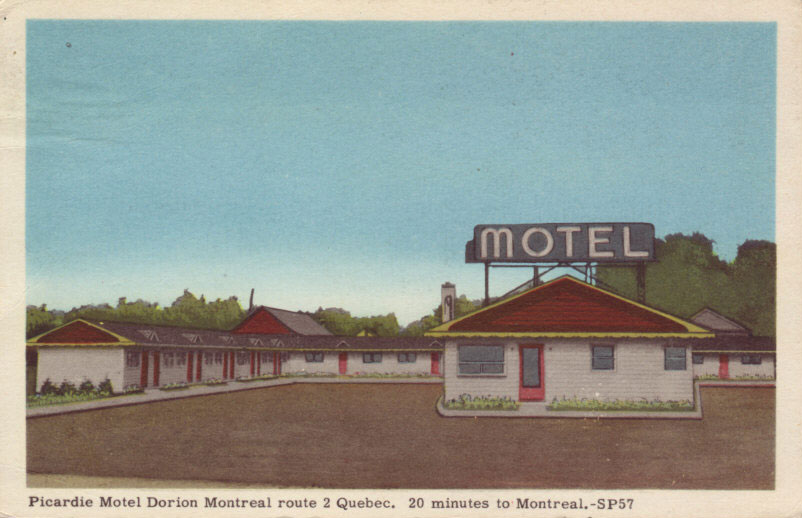
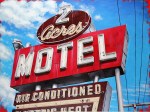
Lovely watercolor effect, simple signage and lines, very retro!
___
From the 1920s to the early 1960s, the automobile led the way to leisurely road trips and the chance for a quick getaway down newly paved highways across Canada and the U.S. The cozy roadside motel filled the need for an affordable, convenient place for the weary driver and family to kick back and relax in relative luxury with then modern conveniences (such as showers in each room, radio, TV and Hi-Fi!), as these vintage postcards attest.


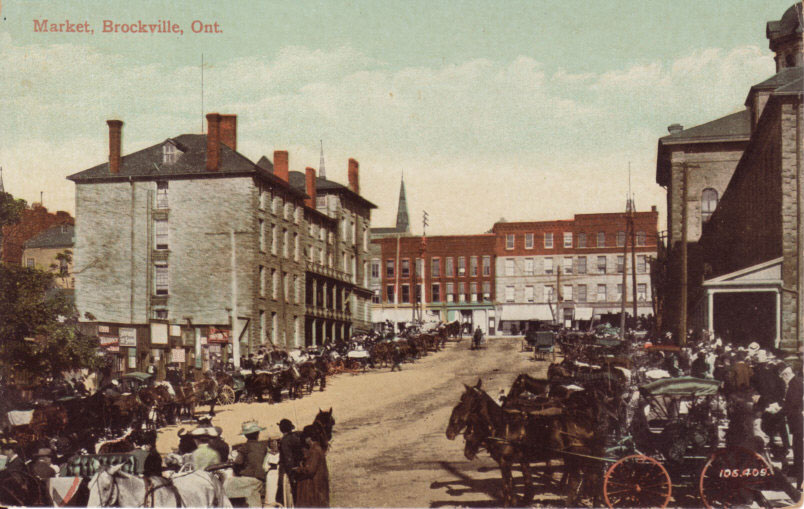
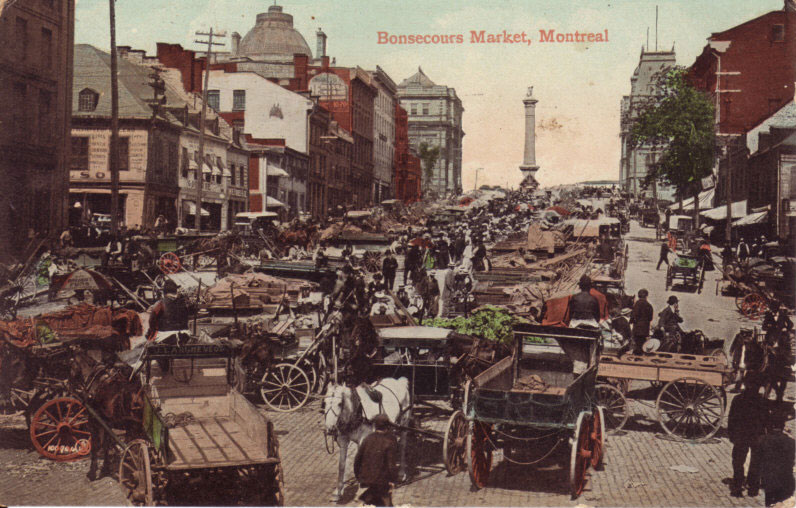
These colored photo postcards from the early 1900s highlight the importance of town markets as hubs of community activity. Lots of horses and wagons, ladies in long dresses and men in dark hats and not an automobile in sight.
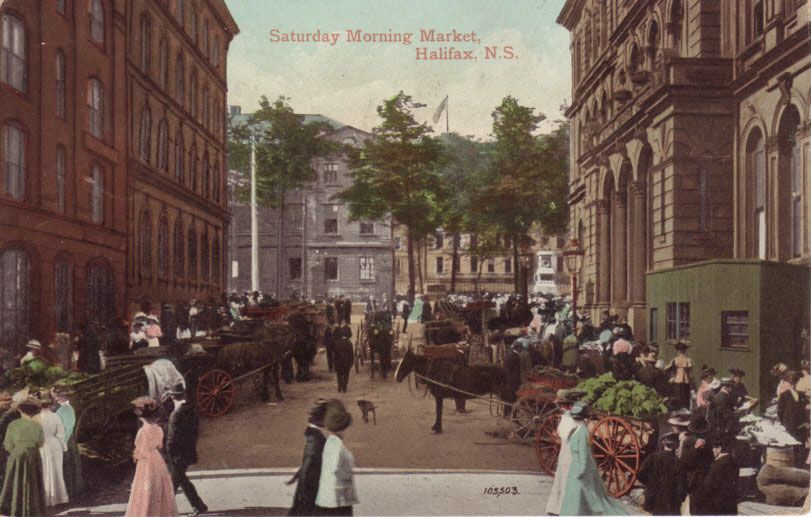
Postmarked October 6, 1910, Reads: “Dear Cousin, I have not received any letters from you, nor from Oscar. Hope you will write to the above address and by the time I return here, there will be many letters. Kind Love, Edgar”
__
No postmark, but likely around 1910; No note
Postmarked September 8, 1909; No note
Similar posts:
♦ Moonlit Views of Yesteryear Canada
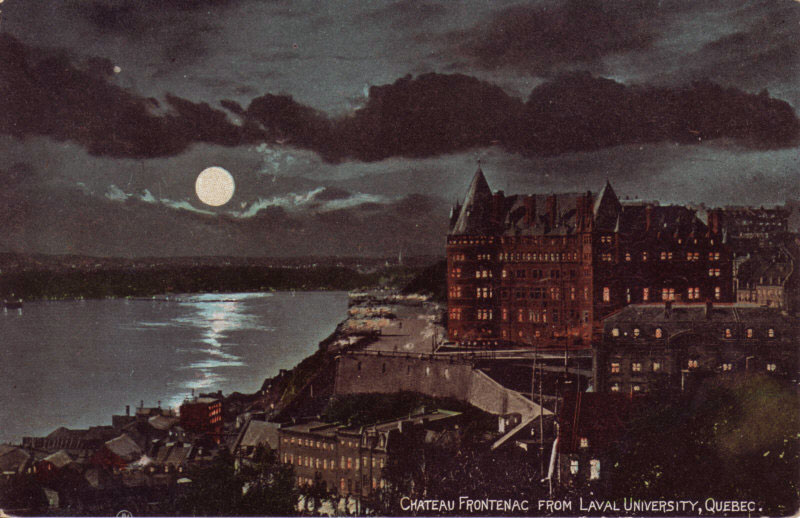
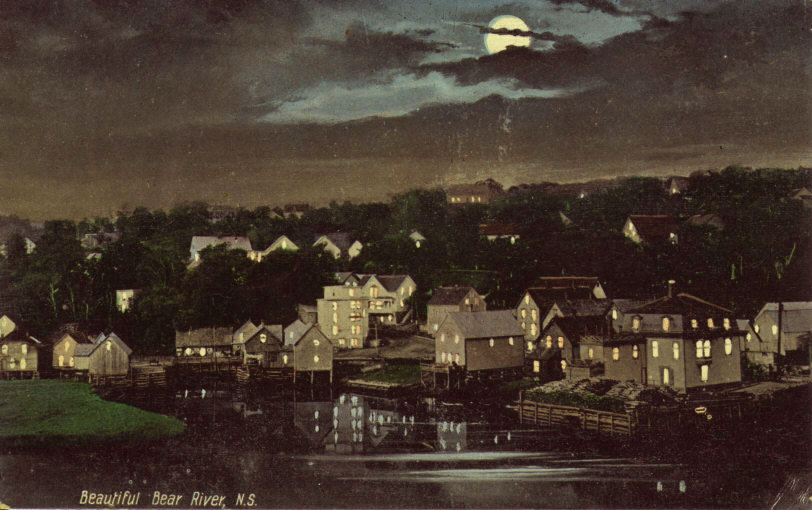
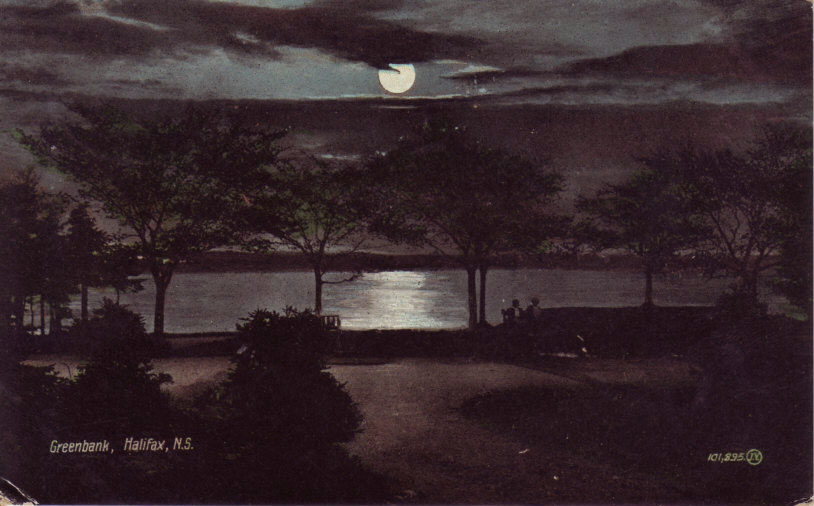
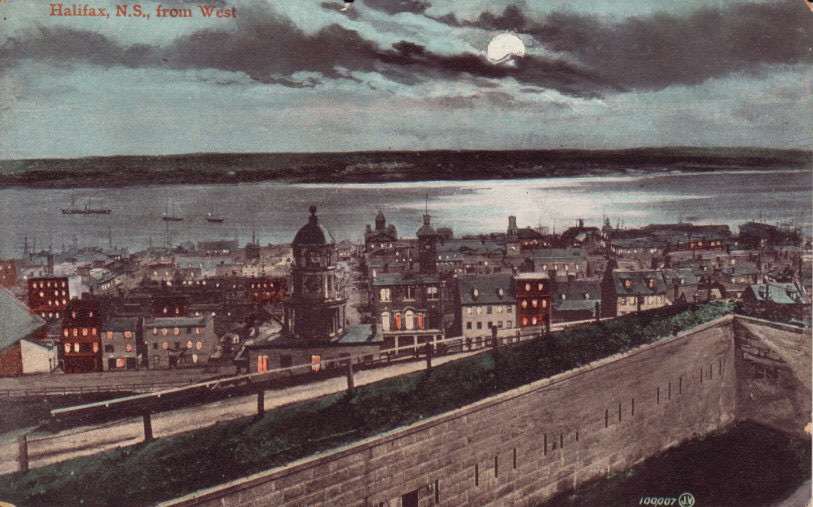
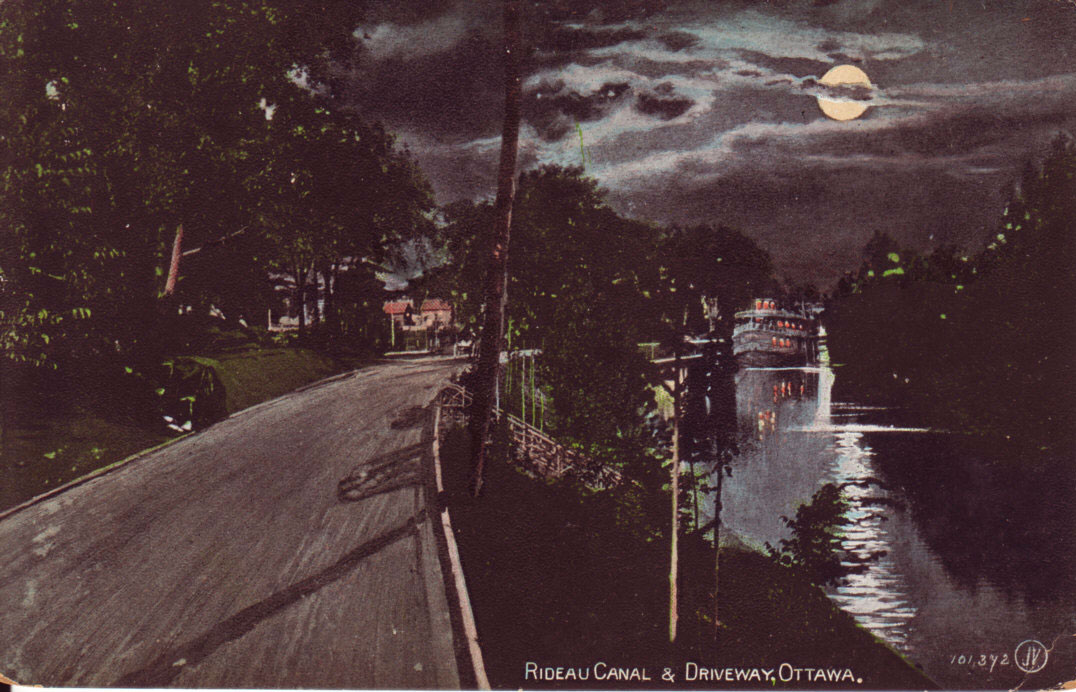
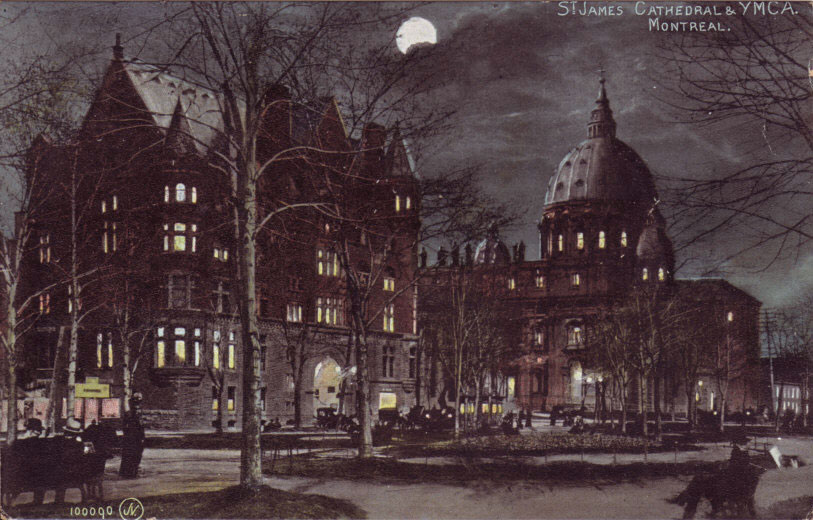
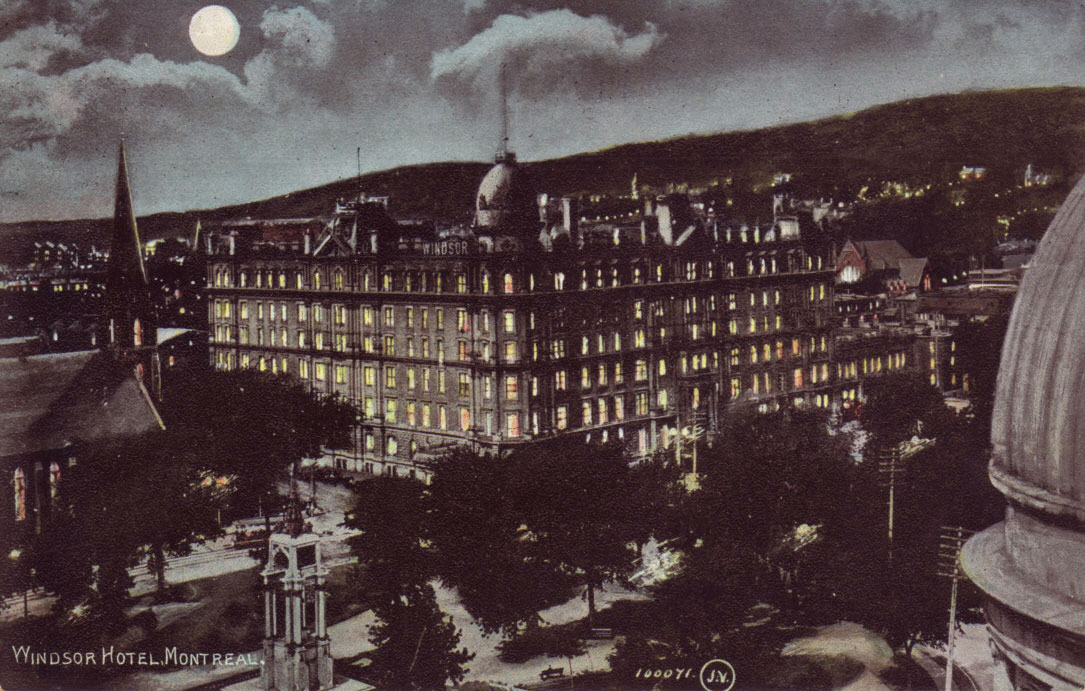
While thumbing through a large group of vintage Canadian postcards at a local antique shop a half-dozen or so among the thousand-plus cards stood out because each featured a highly stylized moonlight view of their subjects, giving each card a dark and moody feel. Most were from about 1906 to 1908, with one as late as 1919, and all but one were marked as being printed by Valentine & Sons, a noted Scottish postcard publisher of the time with offices in Toronto and Montreal. A little online research revealed that the cards were collotype photographs taken in daylight with a full moon, clouds and lighting effects layered on top, after which the images were hand-tinted.
_
_
_

_
_
_
Similar posts on O’Canada:
• Vintage Postcards: Canadian Churches
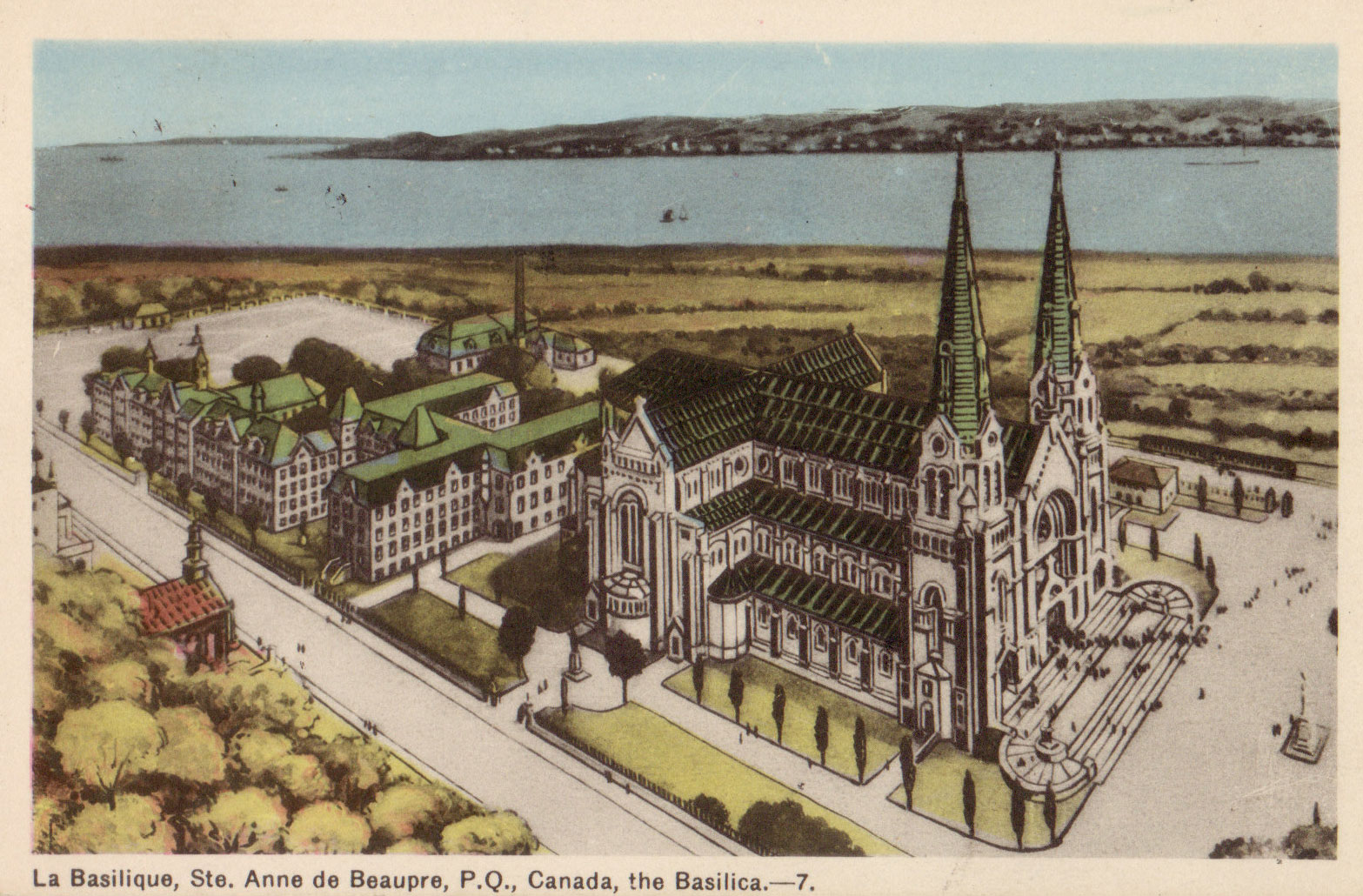
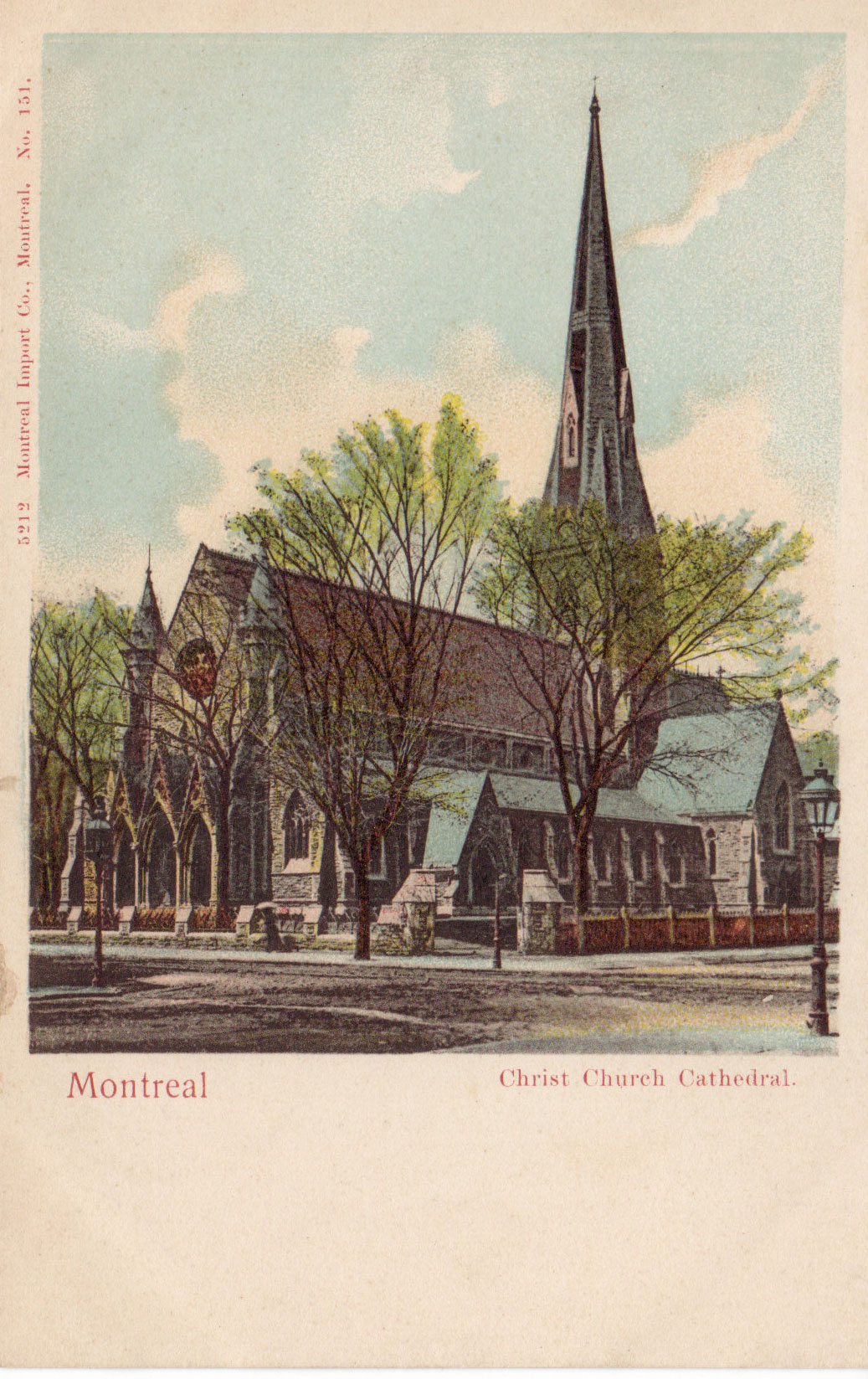
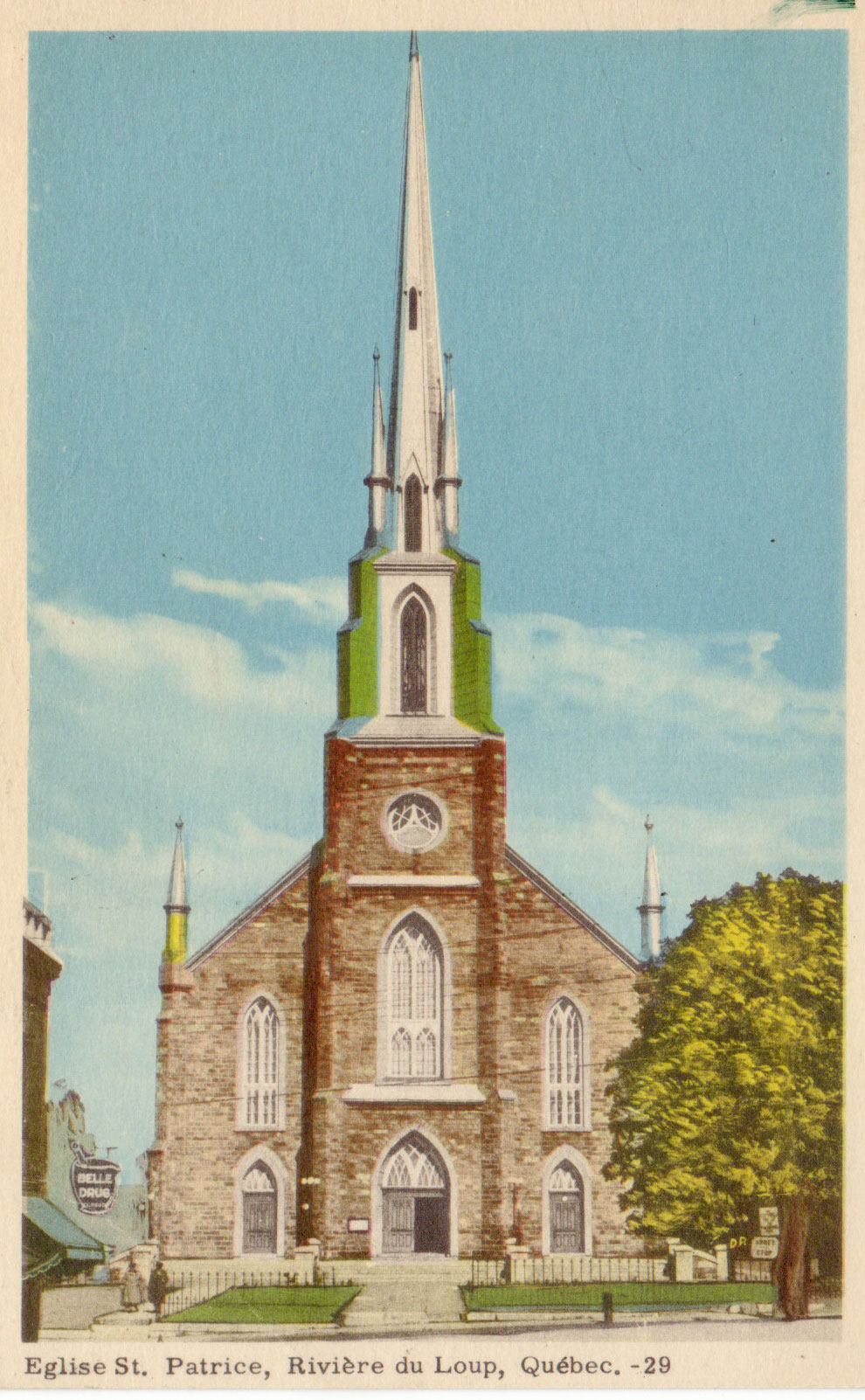
I came across these old postcards in a local antique shop, most of which are watercolors or hand-tinted photos. They range from the early 1900s through about 1950.

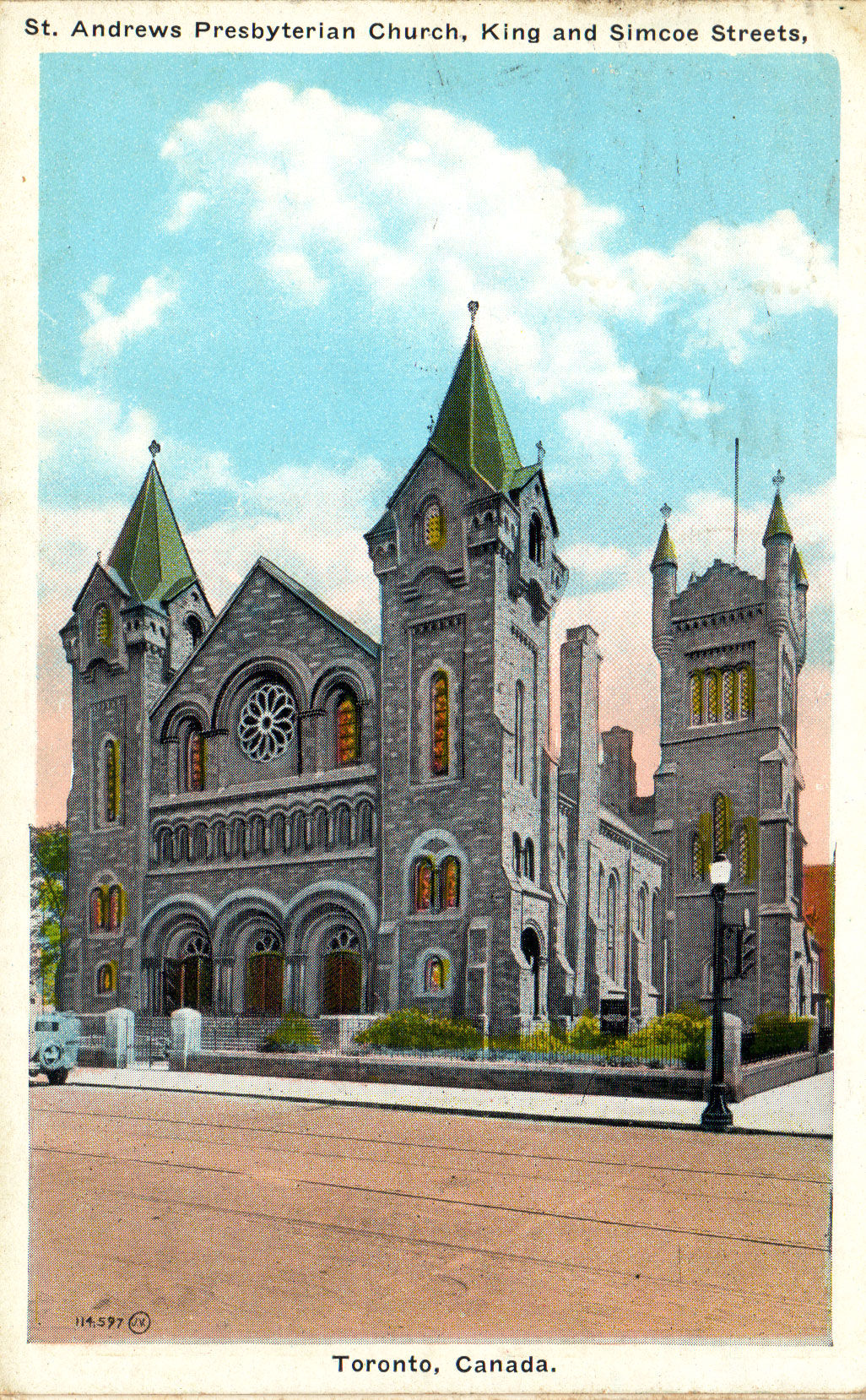
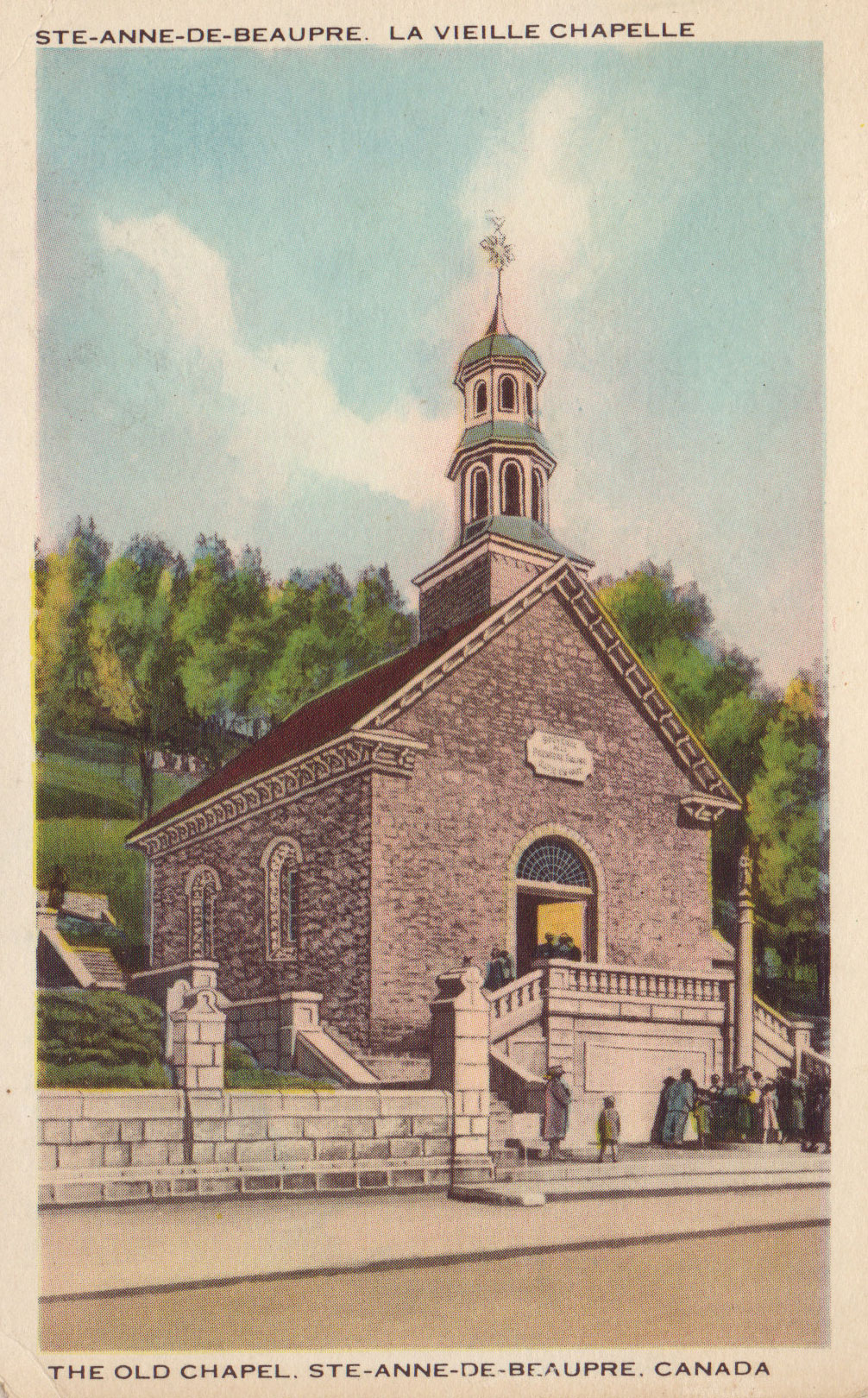
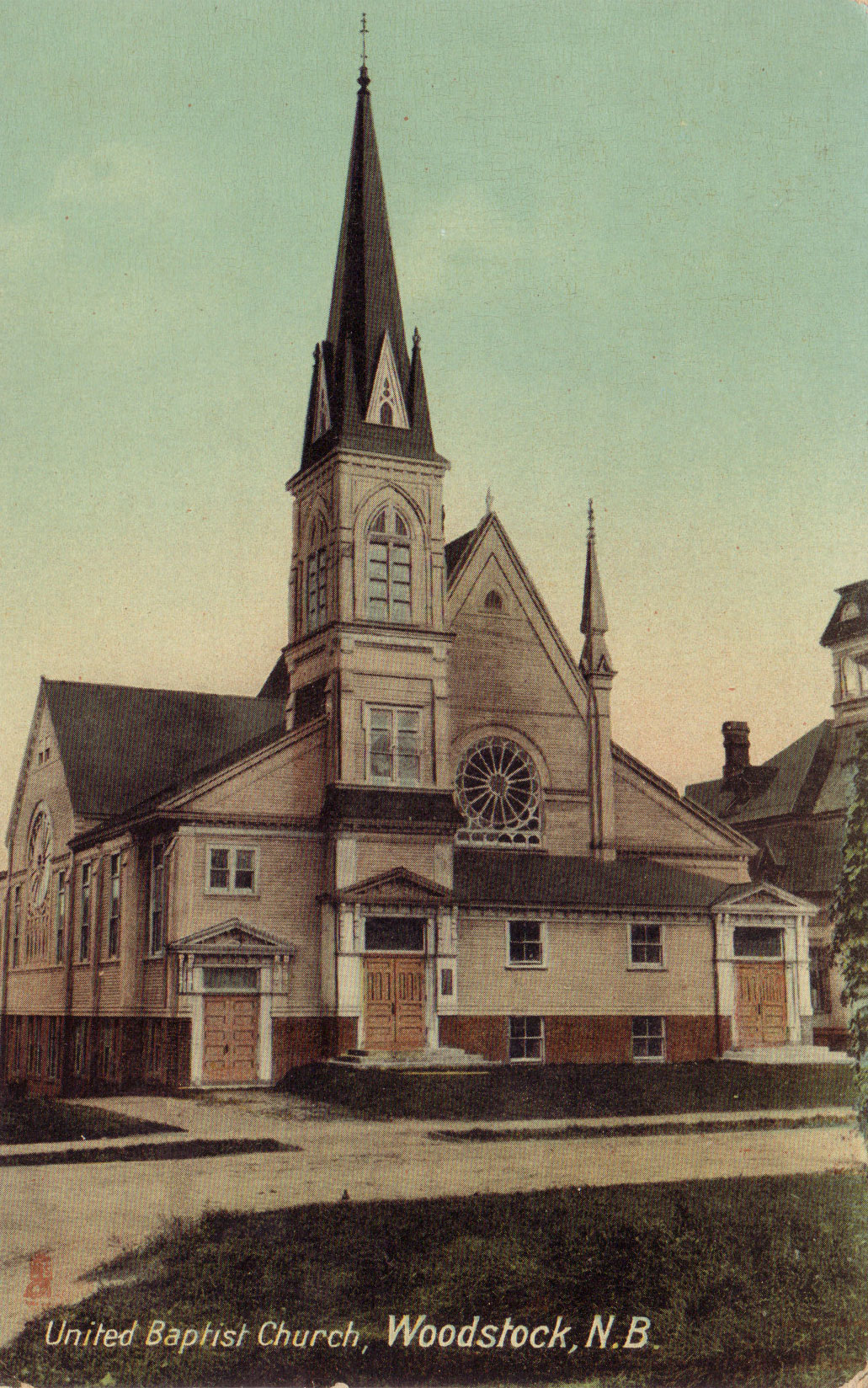
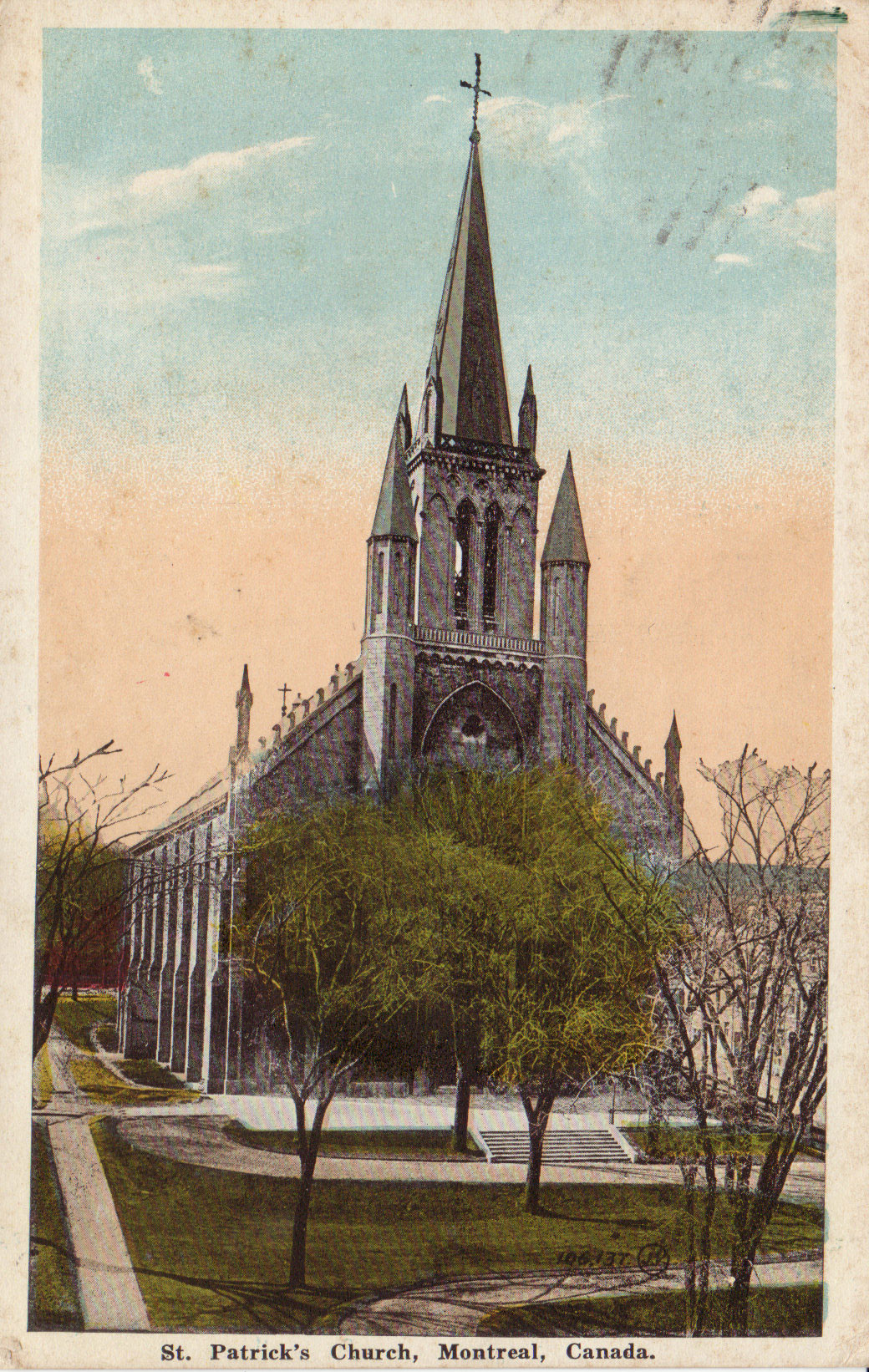
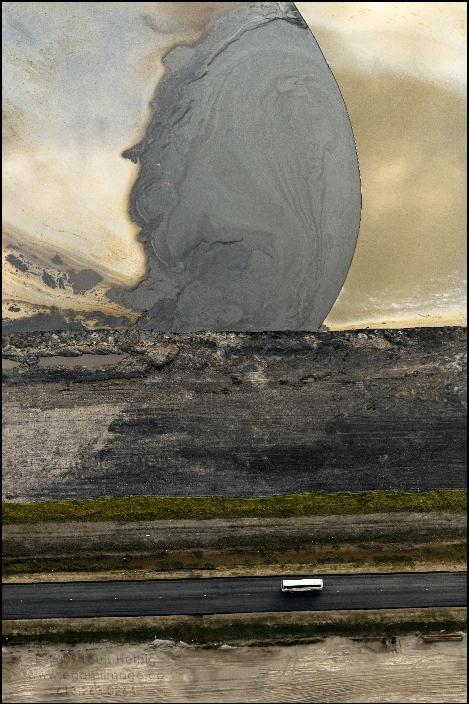
Louis Helbig, Highway 53 Bitumen Slick, Alberta (2009)
___
The aerial photography of Ottawa’s Louis Helbig provides a reflective pause for the disquieting natural and industrial vistas that are this artist’s principal subject matter. Many of his images possess an abstract quality and bring to mind the similarly striking industrial landscapes of fellow Canadian photographer Edward Burtynsky.
Below are a few of Helbig’s stunning images. More of his impressive photography can be found at his homepage here.
___
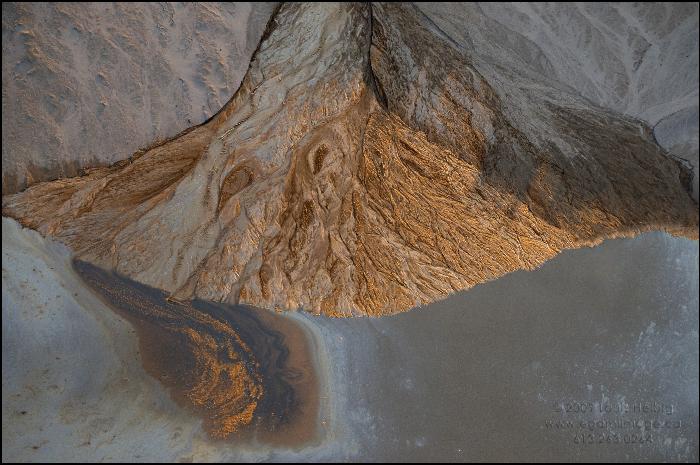
Louis Helbig, Alluvial Fan, Alberta (2009)
___
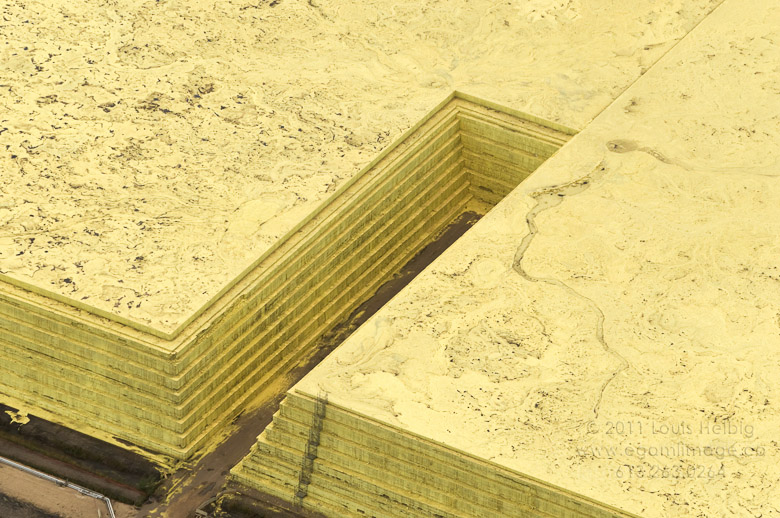 Louis Helbig, Sulfur Pile, Alberta (2011)
___
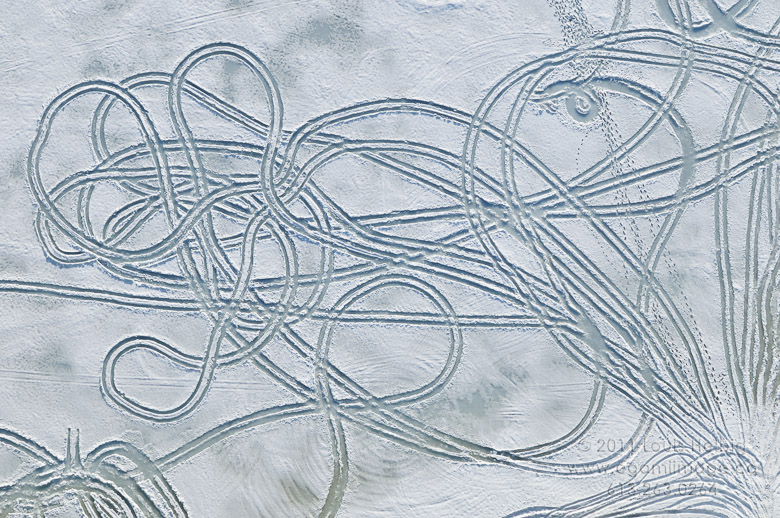
Louis Helbig, ATV Tracks in Frozen Snow, Quebec (2011)
___
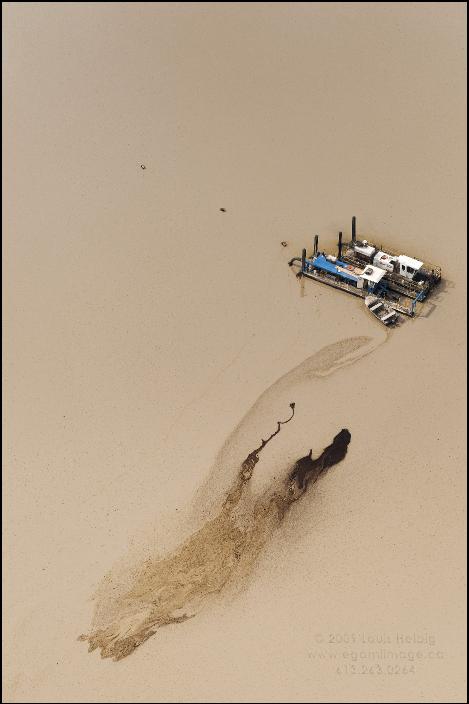
Louis Helbig, Pumping Vessel, Alberta (2009)
Image Credits: Louis Helbig
Other Posts About Notable Canadian Photographers:
• Edward Burtysnky and Industrial Landscapes
• Todd McLellan: Taking Things Apart
• Manu Keggenhoff’s Photography of the North
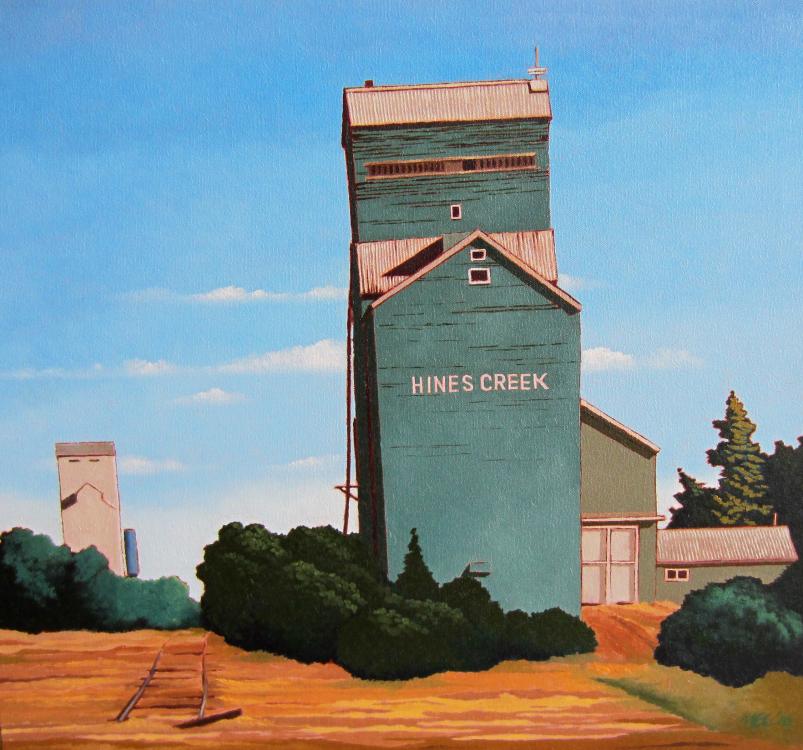
Michael Glover, End of the Line, Hines Creek, Alberta (2010)
___
Michael Glover’s realist artwork conveys a deep appreciation for the stark and forlorn rural and industrial landscapes that hint at the hardscrabble existence of the hardy folks who settled such remote areas long ago. His sense of place is strong — even to the point that the titles of his paintings denote the specific towns depicted — and I like that much of his work focuses on the often overlooked Canadian heartland regions of Saskatchewan, Manitoba and Alberta. However, Glover is the rare Canadian painter whose work embraces images of virtually all the country’s provinces, reflecting his wide travels across Canada’s vast expanse.
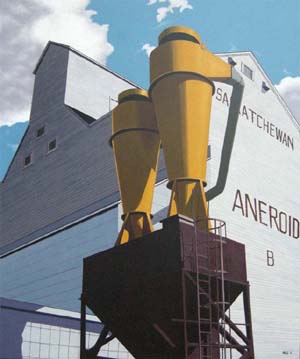
Michael Glover, In The Heartland, Aneroid, Saskatchewan (2006)
___
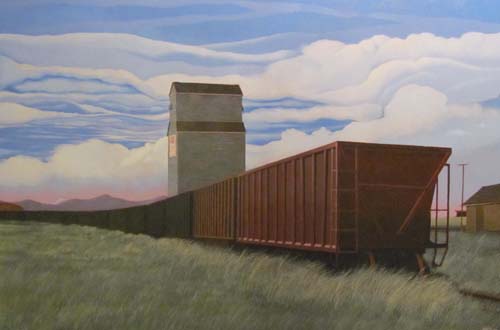
Michael Glover, On the Crowsnest Line, Pincher Station, Alberta (2012)
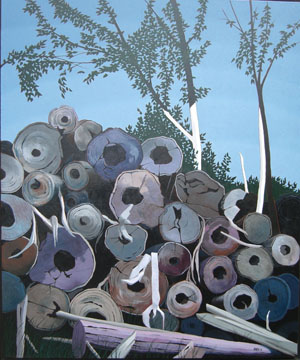
Michael Glover, Forgotten Timber, Wawa, Ontario (2007)
___
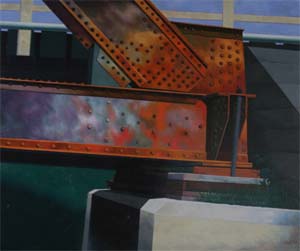
Michael Glover, Once Proud, Still Strong, Fredericton, N.B. (2004)
___
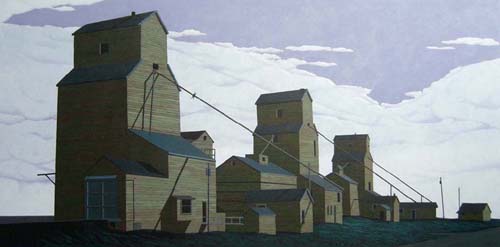
Michael Glover, Standing Proud in the Eleventh Hour, Mossleigh, Alberta (2006)
___
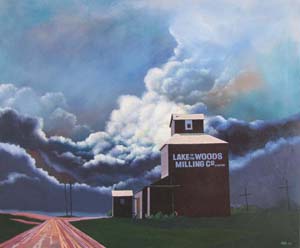
Michael Glover, The Final Days of Fleming, Fleming, Saskatchewan (2012)
___
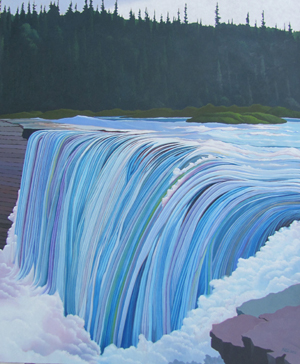
Michael Glover, Alexandria Falls, Enterprise, NWT (2012)
___
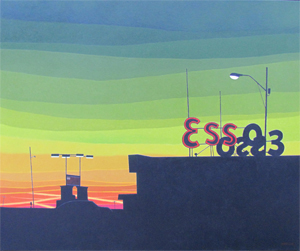
Michael Glover, Nightstop, Grenfell, Saskatchewan (2012)
___
Glover has a much-deserved exhibition opening in late November 2013 at the Art Gallery of Northumberland (Ontario), appropriately entitled “The Lost and Forgotten: Canada’s Vanishing Landscape.” More of Glover’s exceptional art may also be viewed at his website here and at the Quinn’s of Tweed (Ontario) gallery.
Image Credits: Michael E. Glover
___
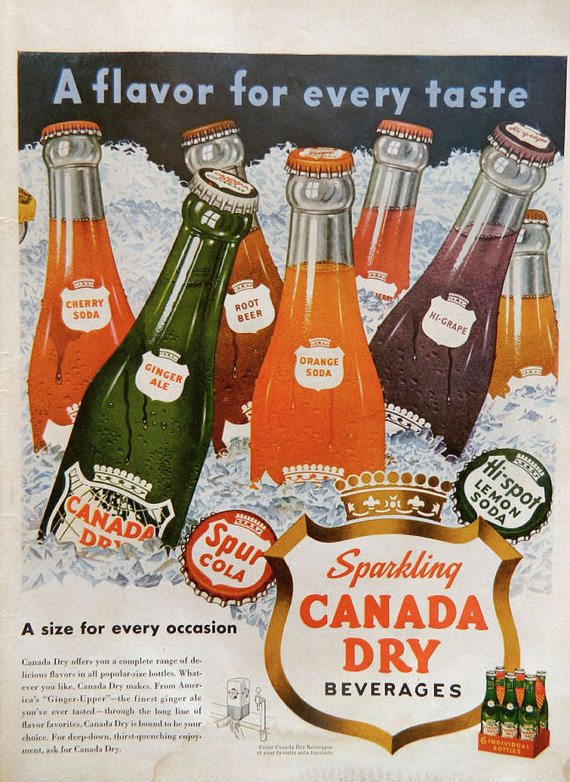
I remember as a child that we would drink Canada Dry Ginger Ale about as often as we drank Coca Cola. Originated in Canada and adopted by America, the Canada Dry brand serves as a cultural bridge between our two countries. Canada Dry Ginger Ale was created in 1890 by John J. McLaughlin, an Ontario pharmacist, and for a few decades thereafter this effervescent beverage was mainly a Canadian regional drink. (Coincidentally, Coca Cola was also concocted a few years before in 1886 by a pharmacist, John Pemberton.) Once its popularity spread to the U.S. around the 1920s, it eventually became a major American brand as attested by this assortment of vintage advertisements.


Alex Colville in 1945
Yesterday, upon coming upon the notice in the NY Times of Alex Colville’s recent passing, I realized that Canada lost a giant of the art world. Colville’s brand of realism conveyed mystery and left much to the viewer. His striking composition “Horse and Train” is a perfect example of this. Its uneasy turbulence is illuminated by Colville’s explanation that his inspiration derived from a line in a Roy Campbell poem: “Against a regiment I oppose a brain/ And a dark horse against an armoured train.” Thus, did the Toronto-born and Nova Scotia-raised Colville movingly represent the struggle and strength of the individual against the mainstream. Fantastic!
That and several of his other works are below.

Horse and Train (1954)
___
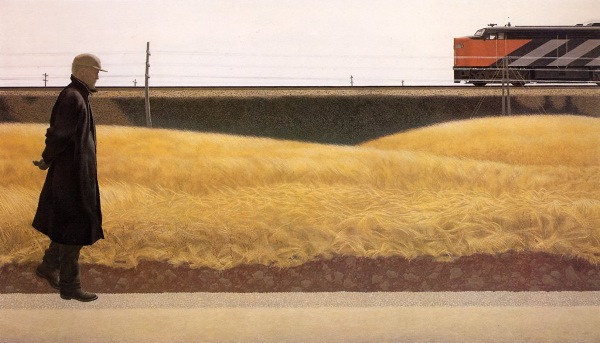
Ocean Limited (1962)
___
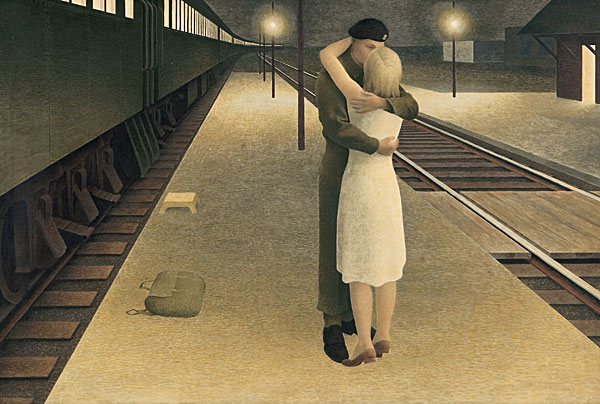
Soldier and Girl at Station (1953)
___
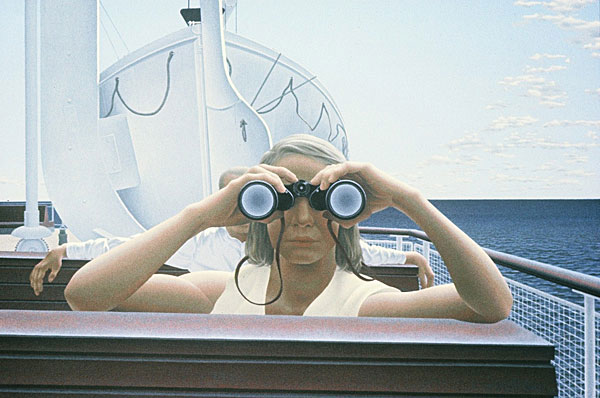
To Prince Edward Island (1965)
___
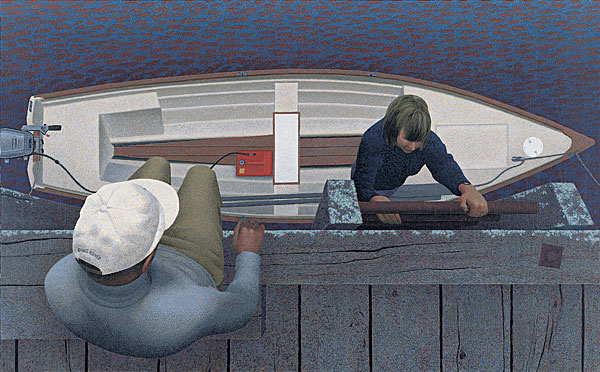
Embarkation (1994)

E. Burtynsky — Nickel Tailings No. 31, Sudbury, Ontario (1996)
The Summer issue of Canadian Art just arrived and includes a feature (written by Daniel Baird) about recent projects of Toronto photographer Edward Burtynsky. Looking at Burtynsky’s oversized images of industrial landscapes, it’s difficult not to appreciate their sublime beauty while also being astounded by the impact humans have on the environment.
More about Burtynsky and his amazing work can be seen at his website and at the just-opened exhibition “Edward Burtynsky: The Landscape That We Change” at Kleinburg, Ontario’s McMichael Canadian Art Collection Gallery, which runs through September 29, 2013.

E. Burtynsky — Inco-Frod Open Pit, Sudbury, Ontario (1985)
___

E. Burtynsky — Oxford Tire Pile No. 9a, Westley, California (1999)
___

E. Burtynsky — Rock of Ages No. 1, Barre, Vermont (1991)
 O' Canada