Early U.S.-Canada Political Cartoons

Given that Canada just had a memorable election and the U.S. is still in the throes of its year-plus presidential campaign marathon, this seems to be a good opportunity to interject a smidgen of politics into the mix.  But not too heavy —  so let’s look at some early pop culture.

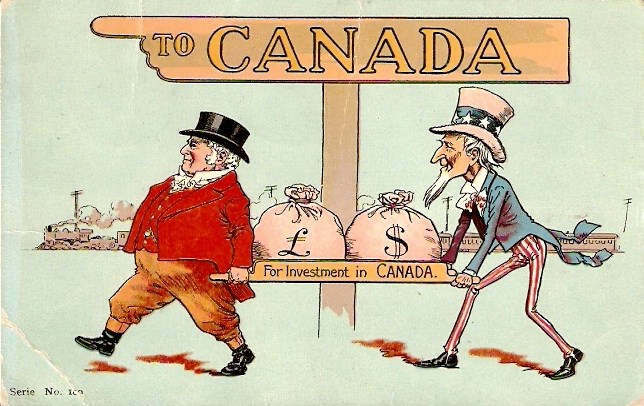
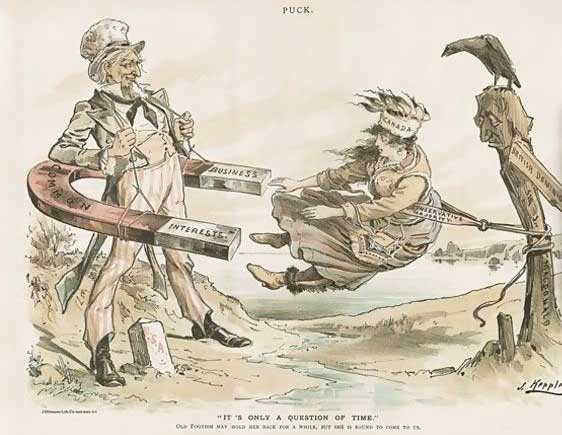
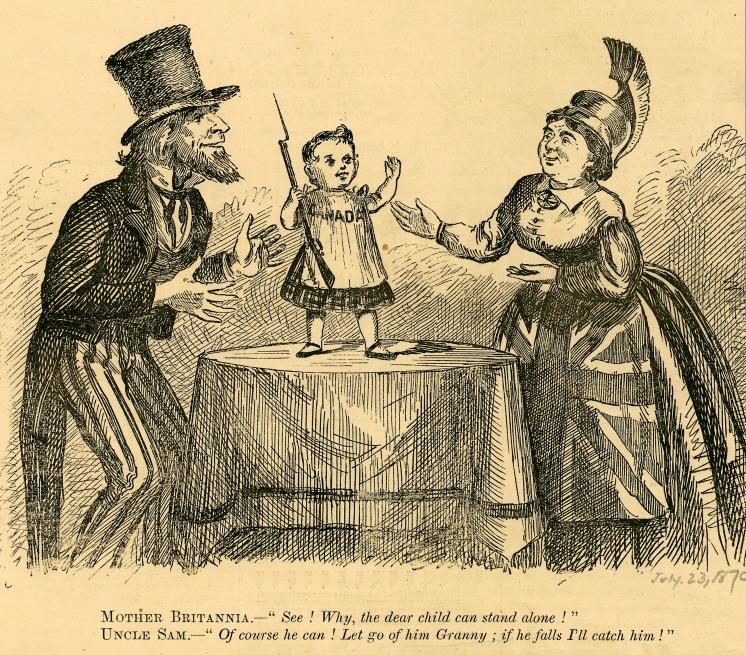
I'll CatchPolitical cartoons depicting relations between Canada and the U.S. extend back to the founding days of both countries. The images depicted here, from the late 1890s through early 1900s, mostly play on a recurrent theme of the U.S. being attentive or aligned with Canada for reasons that were alternately virtuous or of a more self-interested intention.  With Canada then still firmly part of the British Empire, Britain also figured prominently in many such scenes from this period.

Dangerous

~

Interrupted

~

Flirtation

~

Pertinent

~

Money Bags

~

aQuestion-of-Time

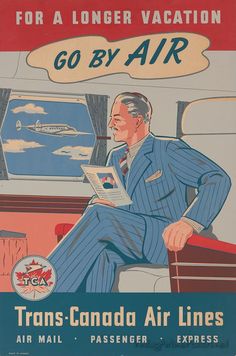
Go By Air With TCA

TCA -- Go By Air

Before it was known as Air Canada, Canada’s major airline was called TCA or Trans-Canada Air Lines.  The leading railway companies in Canada — particularly Canadian Pacific and Canadian National — played an early major role in connecting the far-flung dots within that country’s vast borders. In 1937, one of those rail companies, Canadian National, in an effort to diversify, formed TCA thereby filling another vital transportation niche to serve Canada’s expansive geography as well as beyond.   In 1965, TCA changed its name to Air Canada.  These stylish travel posters from before 1965 (when its name was changed to Air Canada) harken back to TCA’s first few decades as a national flag air carrier.

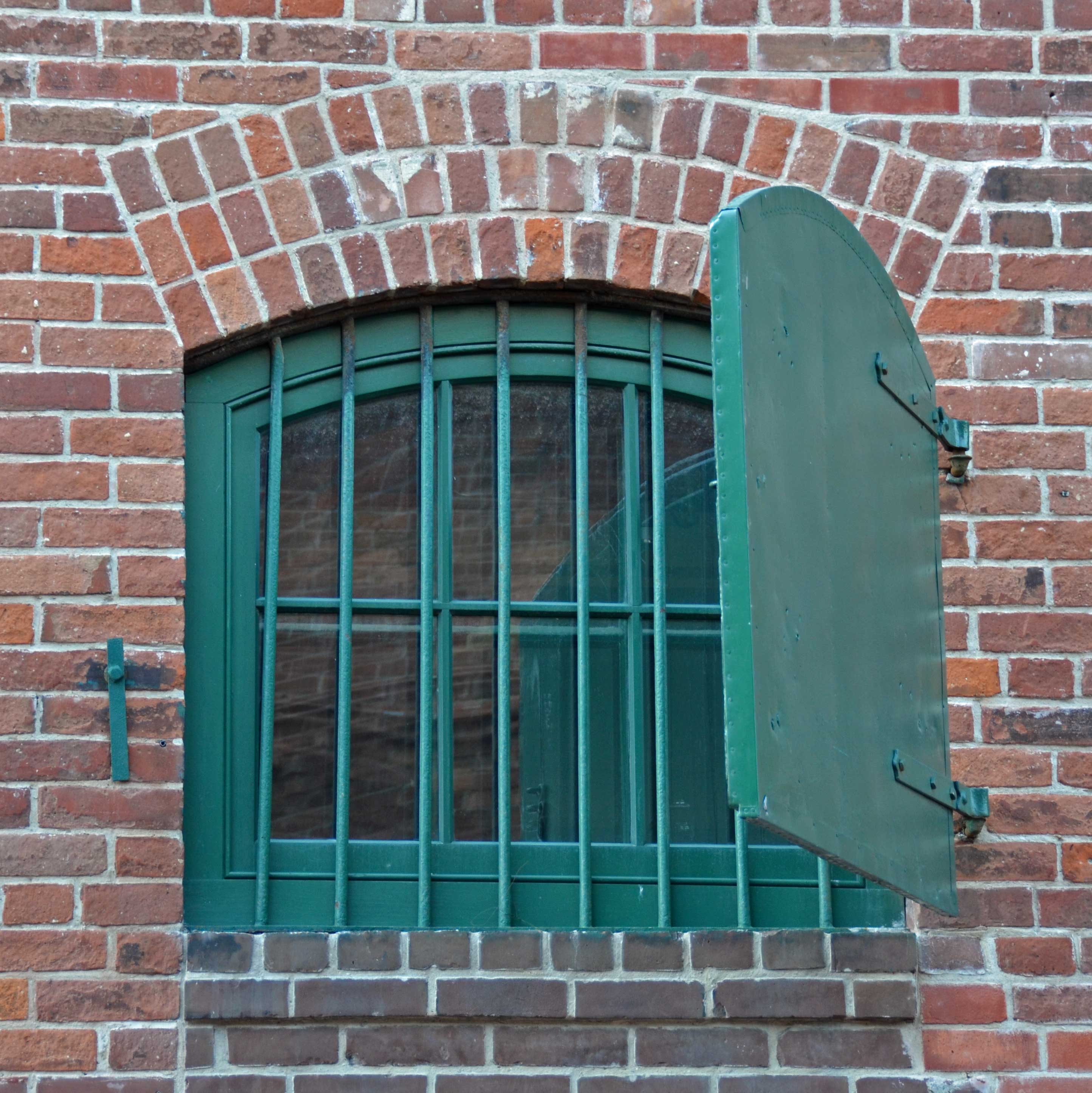
Distillery District Door and Window Combo

detailDSC_0837

This smallish window and nearby door in Toronto’s Distillery District caught my eye both because of their curves and the forest green shared by each opening.  In addition to the well-preserved historic buildings, this area of the city features a wide range of exceptional restaurants, bars and small shops.

detailDSC_0705

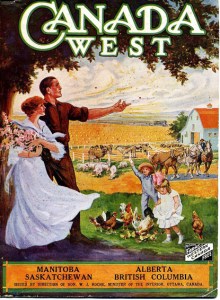
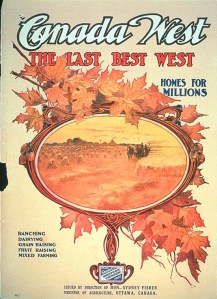
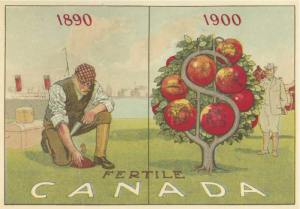
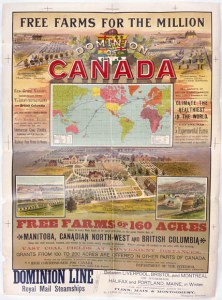
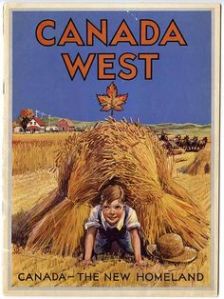
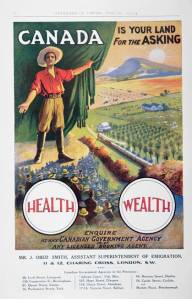
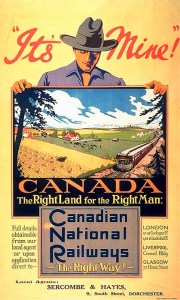
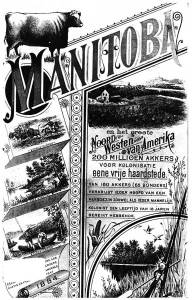
They’re Giving Away Land!

Farm----2-New-Homeland

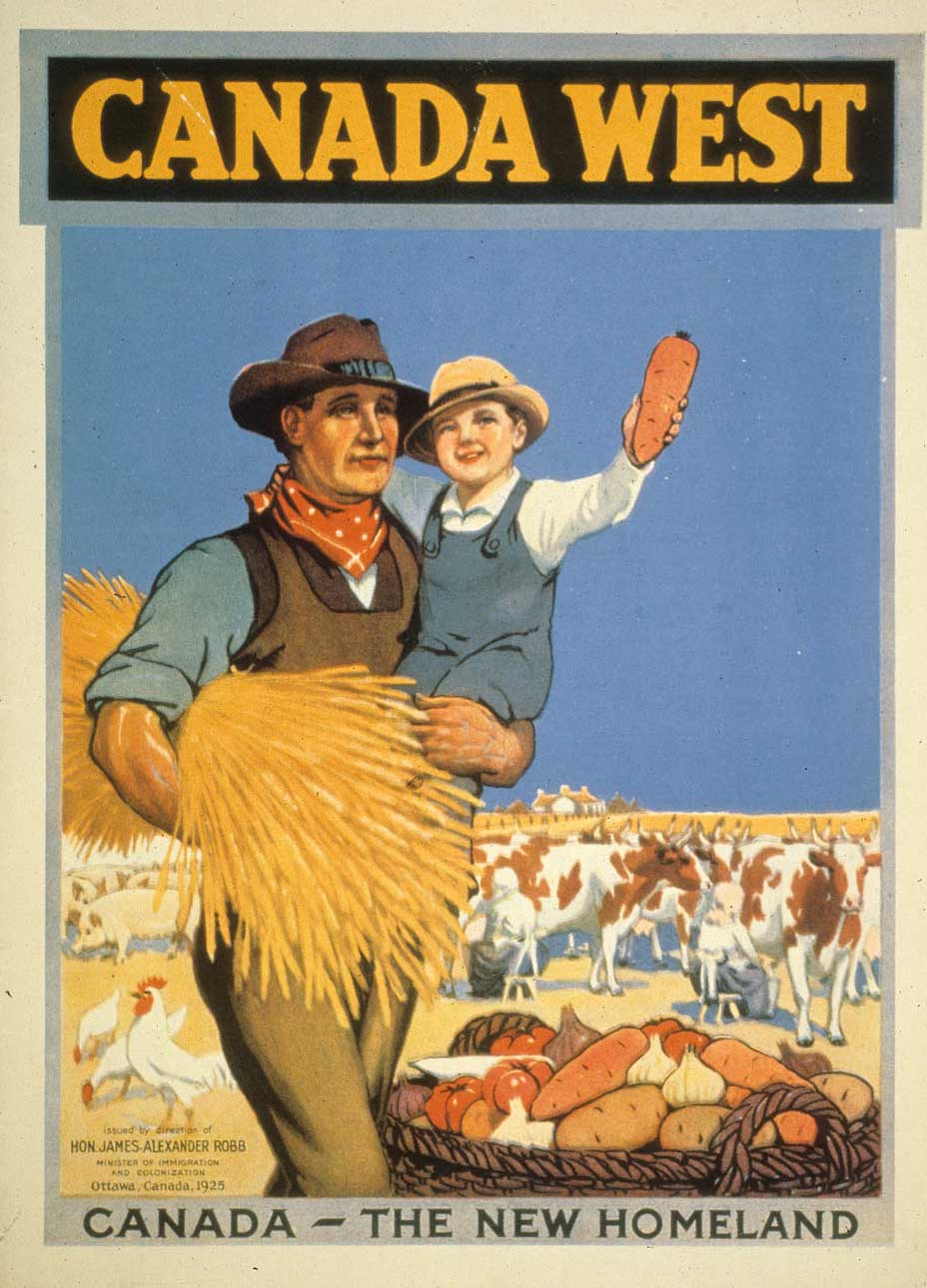
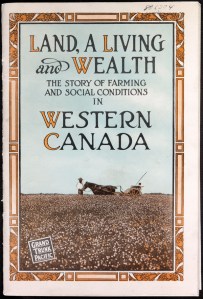
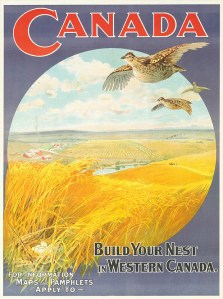
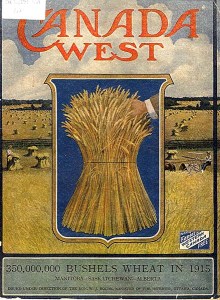
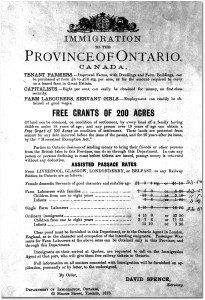
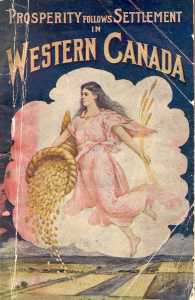
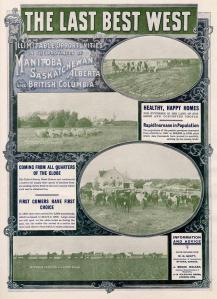
Back in the day, Canada needed more people to build up its country and, in particular, in its vast western inland plains. With lots of land and not so many people, the federal and provincial governments and land companies starting in the late 1800s on into the early twentieth century launched  recruitment campaigns  around the world, especially in Europe, with the lure of free land grants and the potential for prosperity.  The distance was far and farm life was (is!) tough, but the appeal drew many new immigrants to Canada’s west.   I love the variety and details in some of these posters! (Click on images to enlarge)

“Now God be praised. I will die in peace.”: Early Canadian Military Heroes

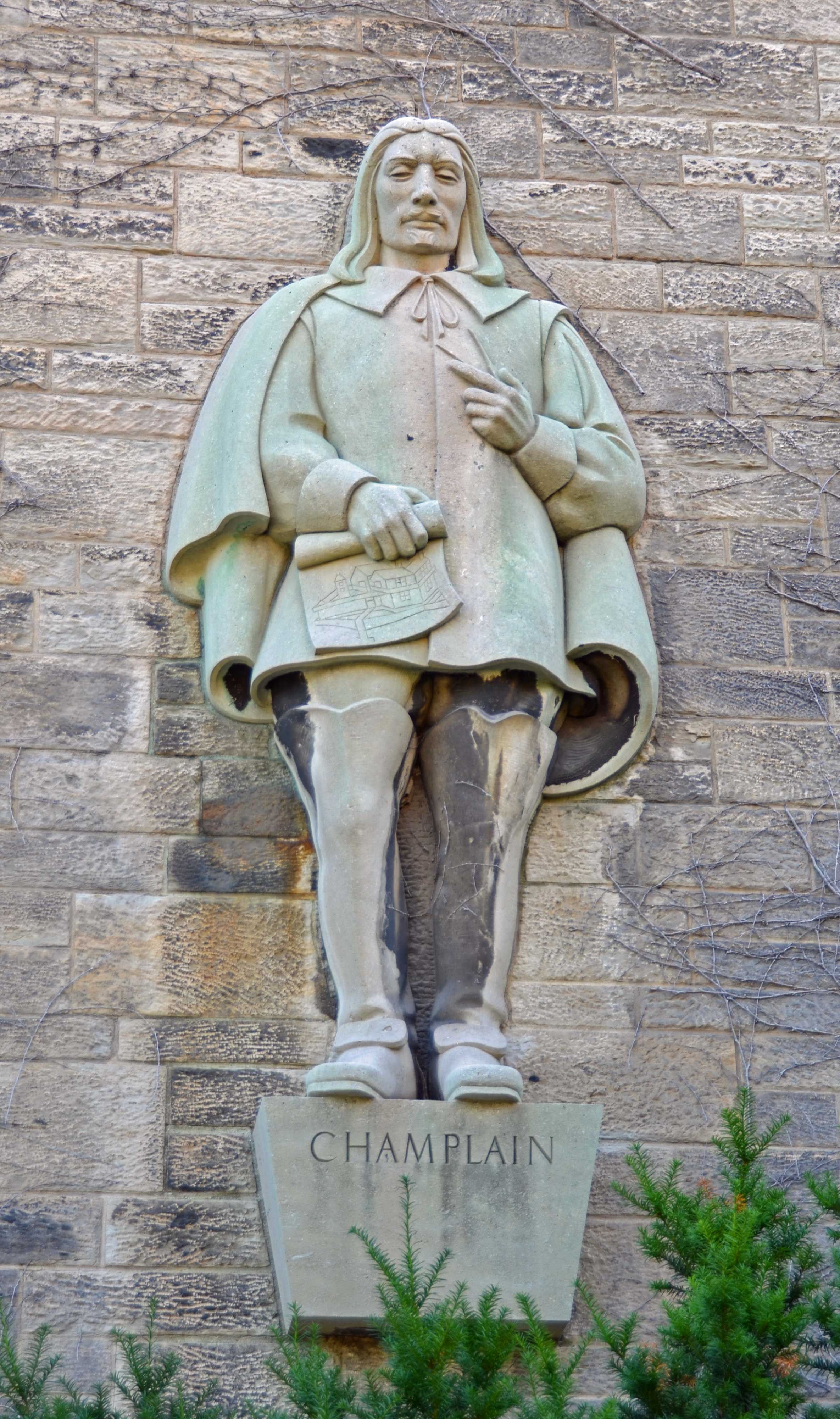
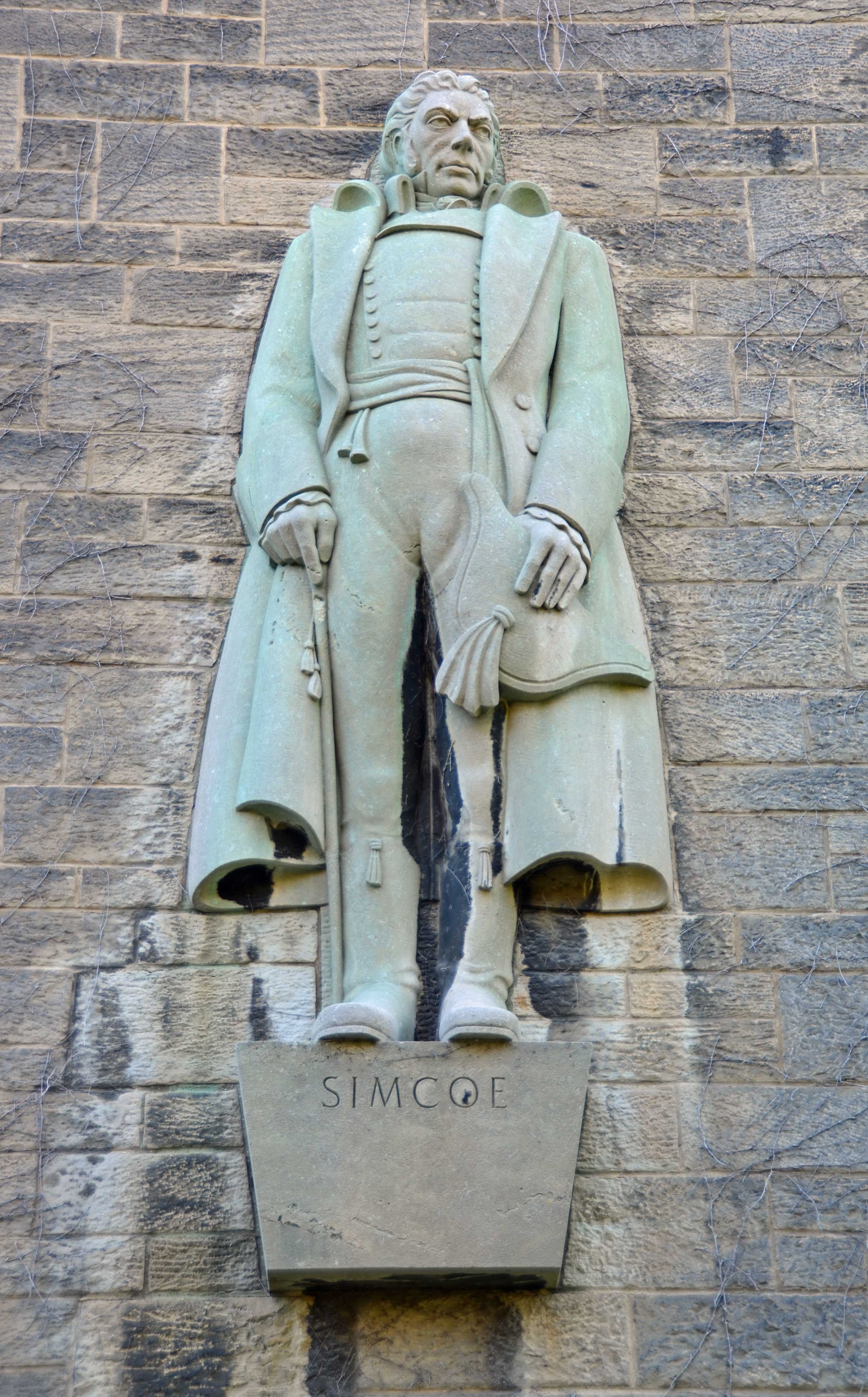
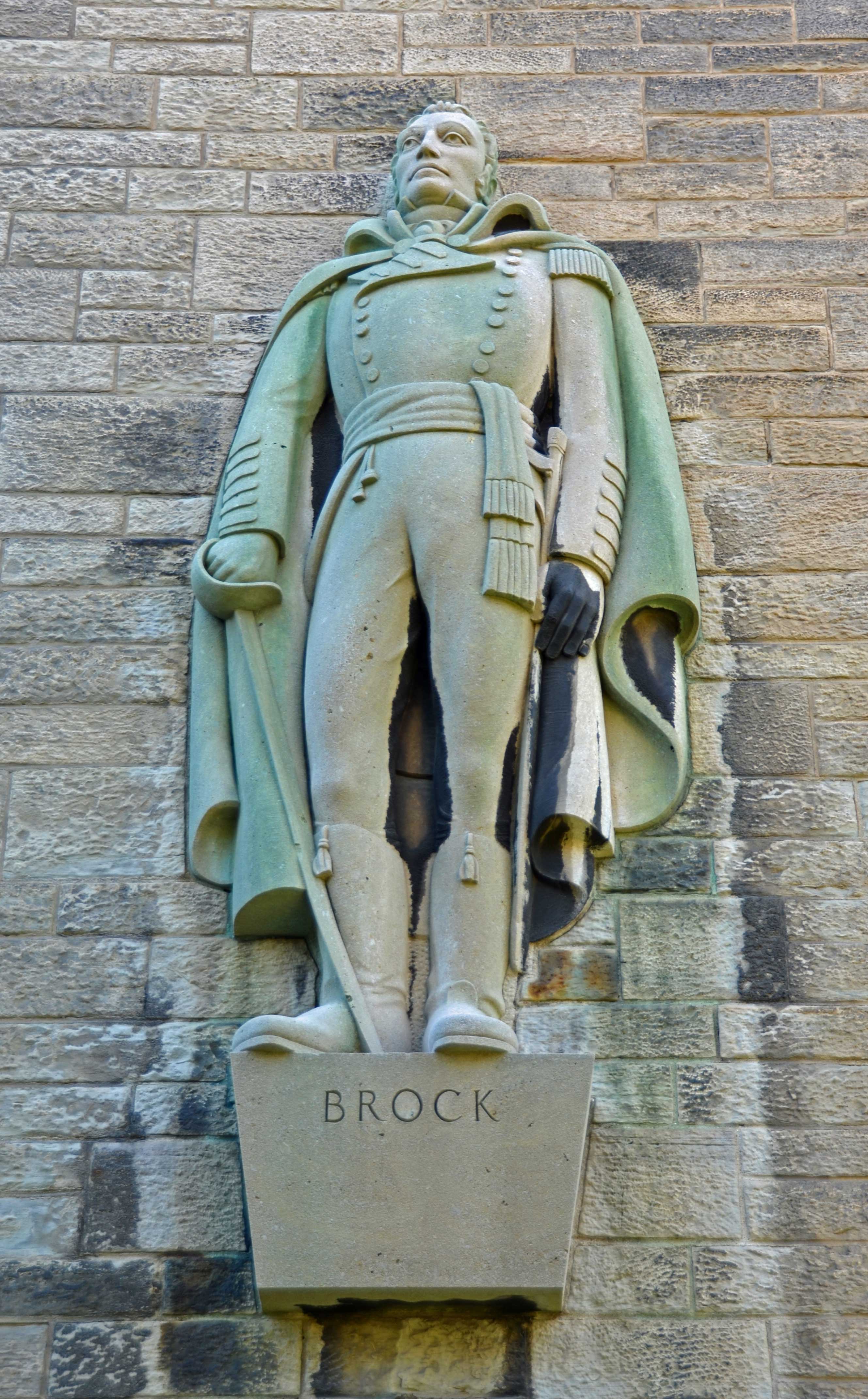
Stricken at the battle for Quebec City in 1759, Major General James Wolfe uttered those words as he lay dying just as his troops’ victory was assured.  Imposing bas relief sculptures of Wolfe and three other early Canadian military heroes — Samuel de Champlain, John Graves Simcoe and Isaac Brock — grace the facade of the Archives and Canadiana Building at the University of Toronto.  Like their real-life counterparts centuries earlier, these sculptures keep a watchful and weathered gaze upon the surrounding landscape.

archChamplainDSC_0759

Samuel de Champlain (1574-1635)

+++

archWolfeDSC_0761

James Wolfe (1727-1759)

+++

archSimcoeDSC_0762

John Graves Simcoe (1752-1806)

+++

archBrockDSC_0763

Isaac Brock (1769 -1812)

Toronto Public Art: Barbara Hepworth’s “Parent 1”

Parent-1----BHepworth

“Parent 1” (1984), by Barbara Hepworth — Her modern work calls to mind Inuit forms.

“Art enables us to find ourselves and lose ourselves at the same time.”

                                                                                     ~~ Thomas Merton

Vintage Meds at Toronto Antiques Mart


wDSC_0723

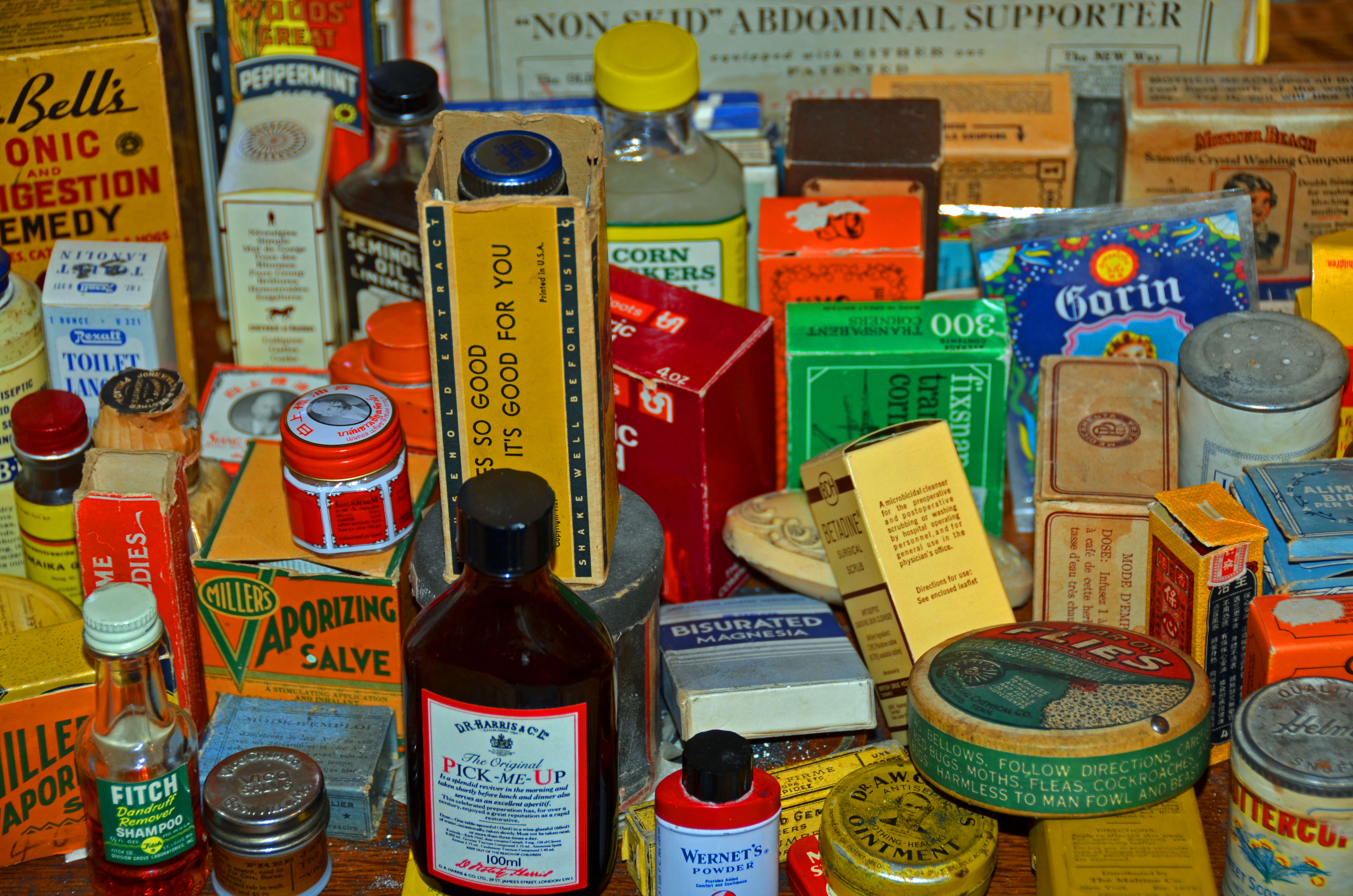
Snapped this collection of vintage salves, ointments and medicinal items at a Toronto antiques store in the Distillery District.

wDSC_0724

“Woke Up This Morning” on CBC Radio

Although I’ve not posted much about music on O’Canada, exploring music and its many genres is one of my favorite pastimes.  While I’ve been clued in to some great Canadian music through CBC Radio over the years, the diverse programming of CBC Radio One is such that I’ve also discovered from time to time new (for me) American pieces. Such was the case earlier this week as I listened to “As It Happens” , which is hosted by Carol Off and Jeff Douglas.  On that particular evening, the show payed homage to Claude Sitton, a journalist who passed away this week and who covered many of the key events of the early 1960s civil rights movement, by closing out with “Woke Up This Morning (With My Mind on Freedom)” performed by The SNCC Freedom Singers.  It’s a powerful song. Video below.

The Great Canadian Outdoors: Vintage Rockies Postcards

eLake-Louise,-Alberta

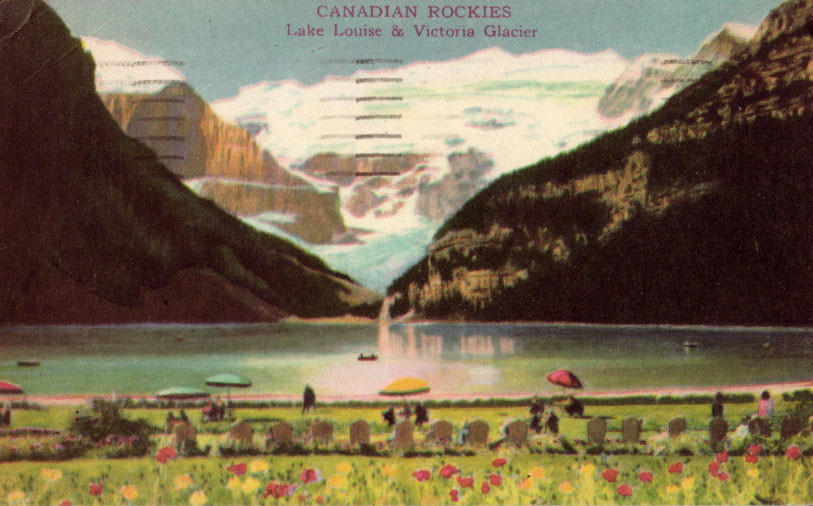
 Lake Louise & Victoria Glacier — About 1949

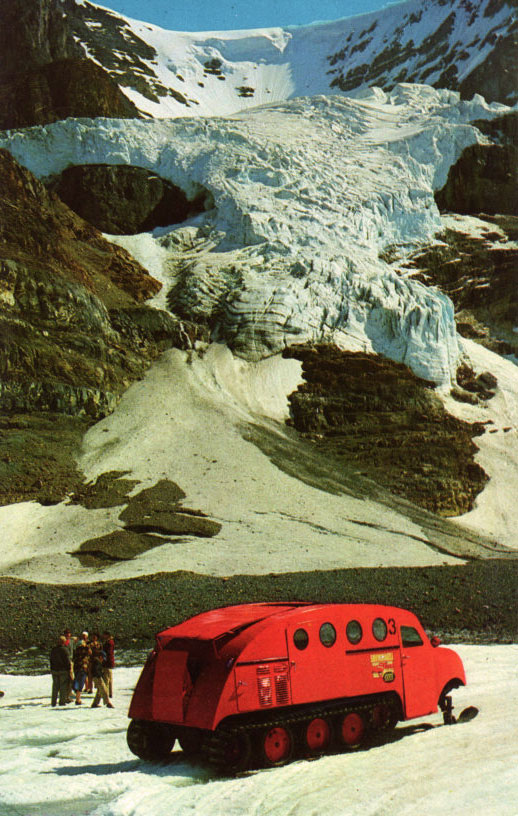
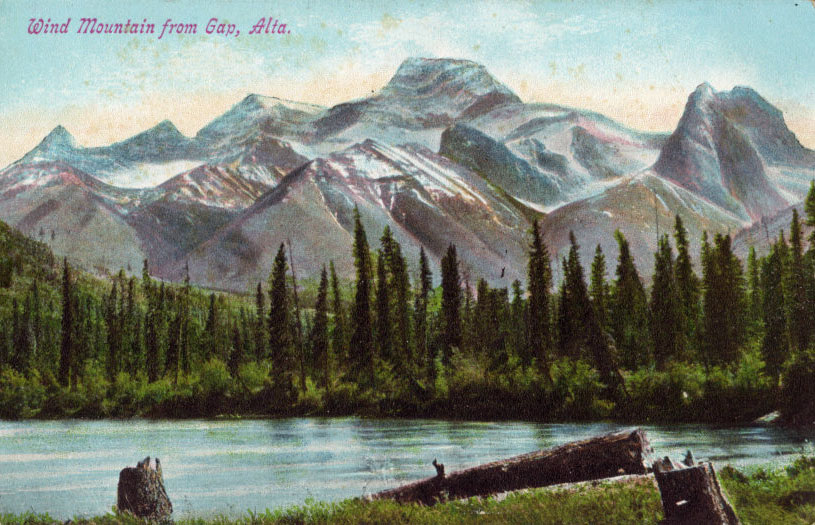
It’s safe to say that when many Americans think of Canada they visualize vast expanses of nature and, in particular, the Canadian Rockies.  These vintage postcards — most of which are colored photos — feature scenes of the Rockies in Alberta, spanning the early 1900s up to the early 1960s.

eAthabasca-Glacier,-Alberta

Athabasca Glacier — About 1960 (Love that funky snow bus!)

___

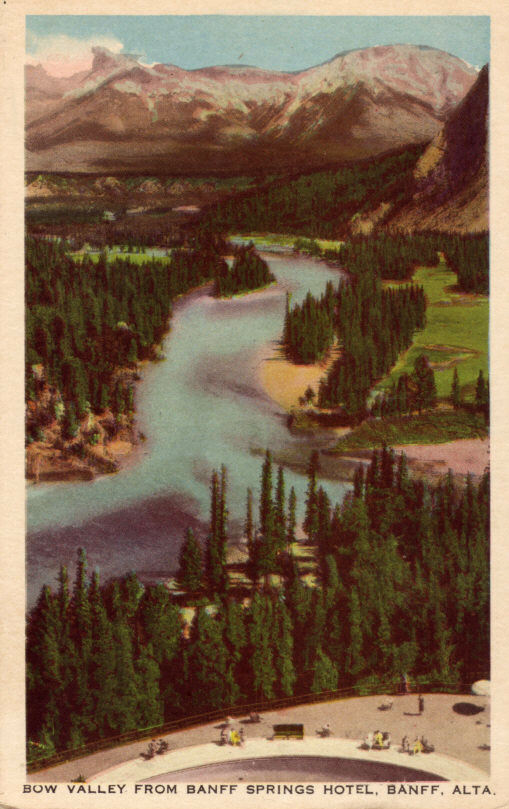
eBow-Valley,-Alberta-2

Bow Valley, Banff — About 1950s

___

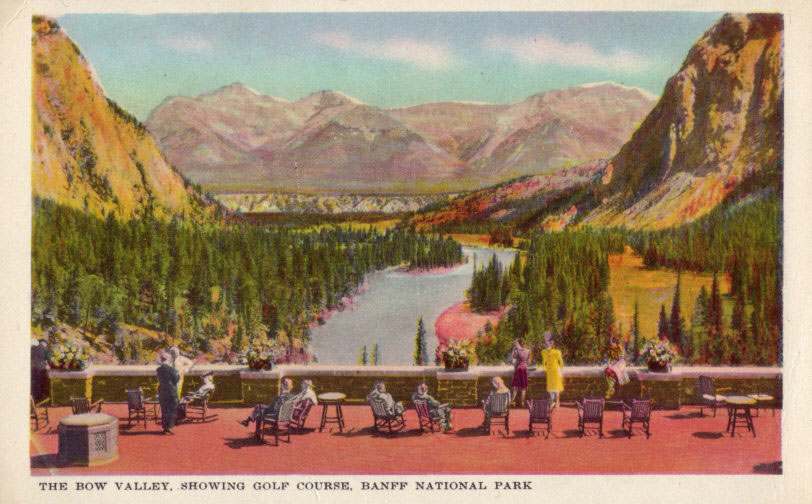
eBow-Valley-Postcard

Bow Valley, Showing Golf Course — About 1950s

___

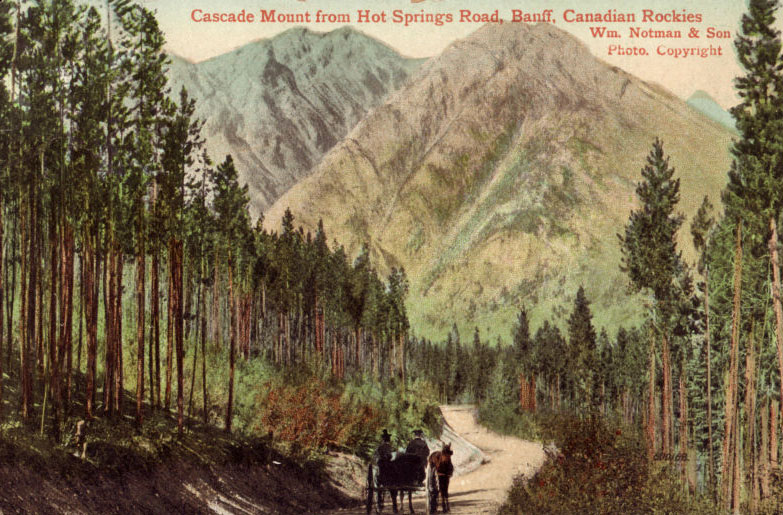
eCascade-Mountain,-Alberta

Cascade Mountain, Banff — Early 1900s  (This was quite a ride then in a horse drawn carriage.)

___

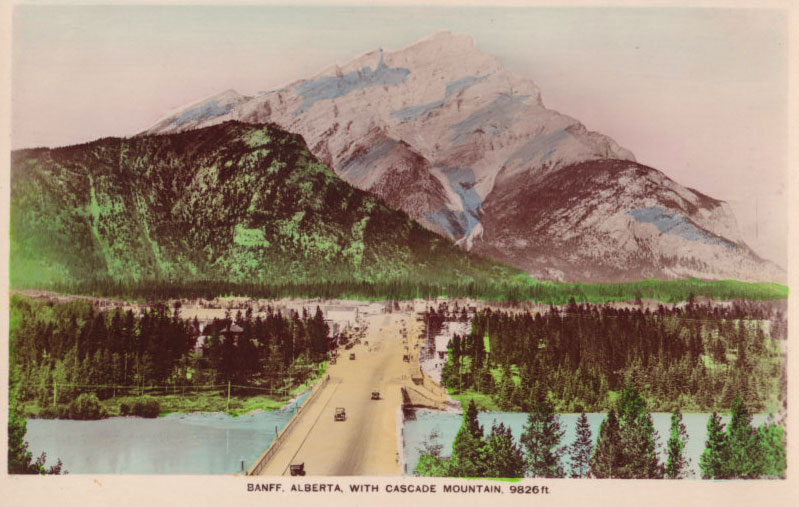
eCascade-Mountain,-Alberta-

Cascade Mountain, Banff — 1920s

___

eWind-Mountain,-Alberta

 Wind Mountain, Alberta — About 1910s

Magical Winterscapes by Group of Seven

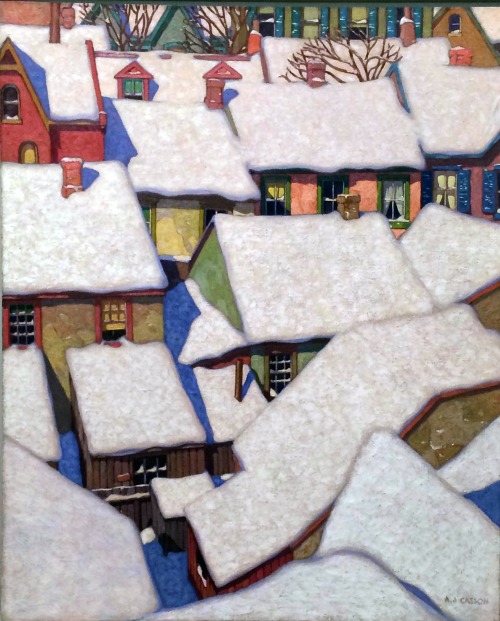
A.J. Casson -- Rooftops

A. J. Casson, Rooftops

~

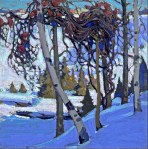
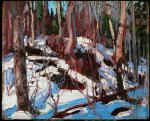
As the chill of wintry winds, snow and ice continues, a compilation of Canadian winterscapes by the Group of Seven artists seems in order.  As always, the scenery by these talented artists is captivating!  (Click on image to enlarge)

Similar posts on O’Canada:

→  The Group of Seven’s Landscape Explosion

→  The Very Vital Canadian Group of Painters

Let’s Visit Ontario!

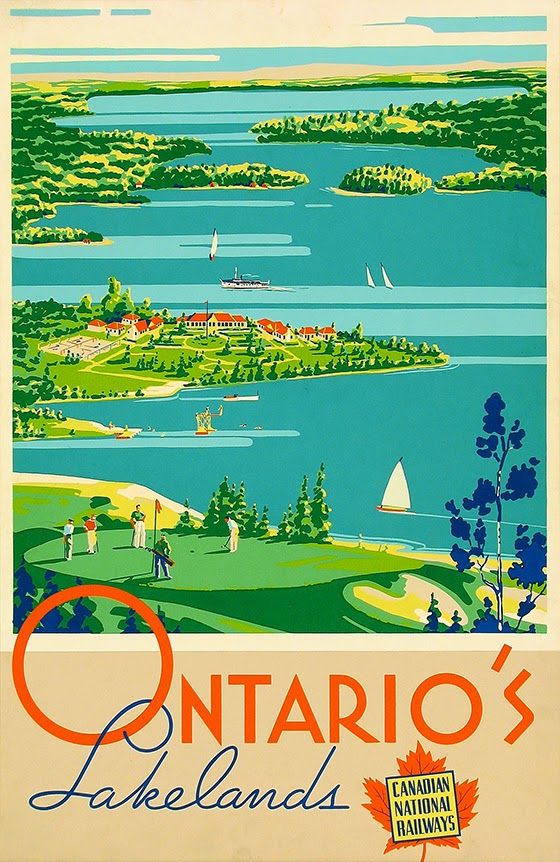
Ontario Lakelands

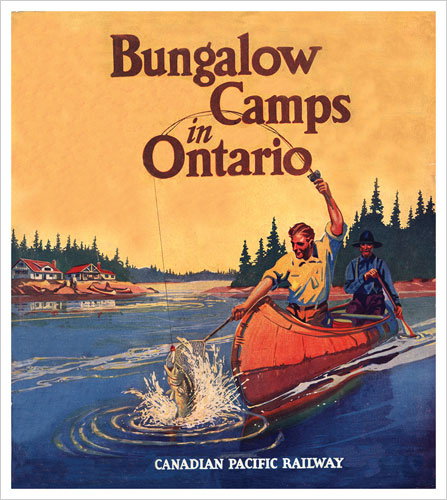
This nifty selection of vintage travel posters do a nice job capturing many of the wonders to be experienced in Ontario.

Bungalow Camps Ontario Vacation Ottawa

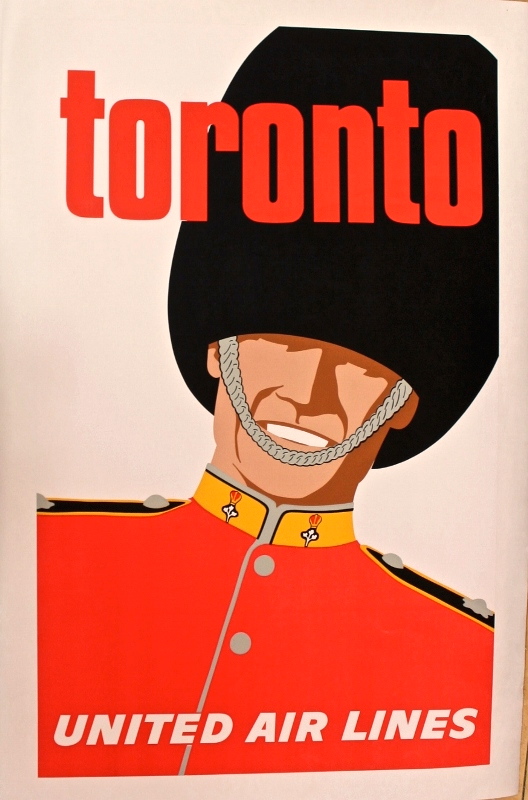
Toronto United Air

Similar Posts on O’Canada:

—  Retro Winter Recreation and Travel Ads

—  Magnificent Travel Art of the Canadian Pacific Railway

Love These Vintage Neon and Bulb Signs!

aDSC_1139

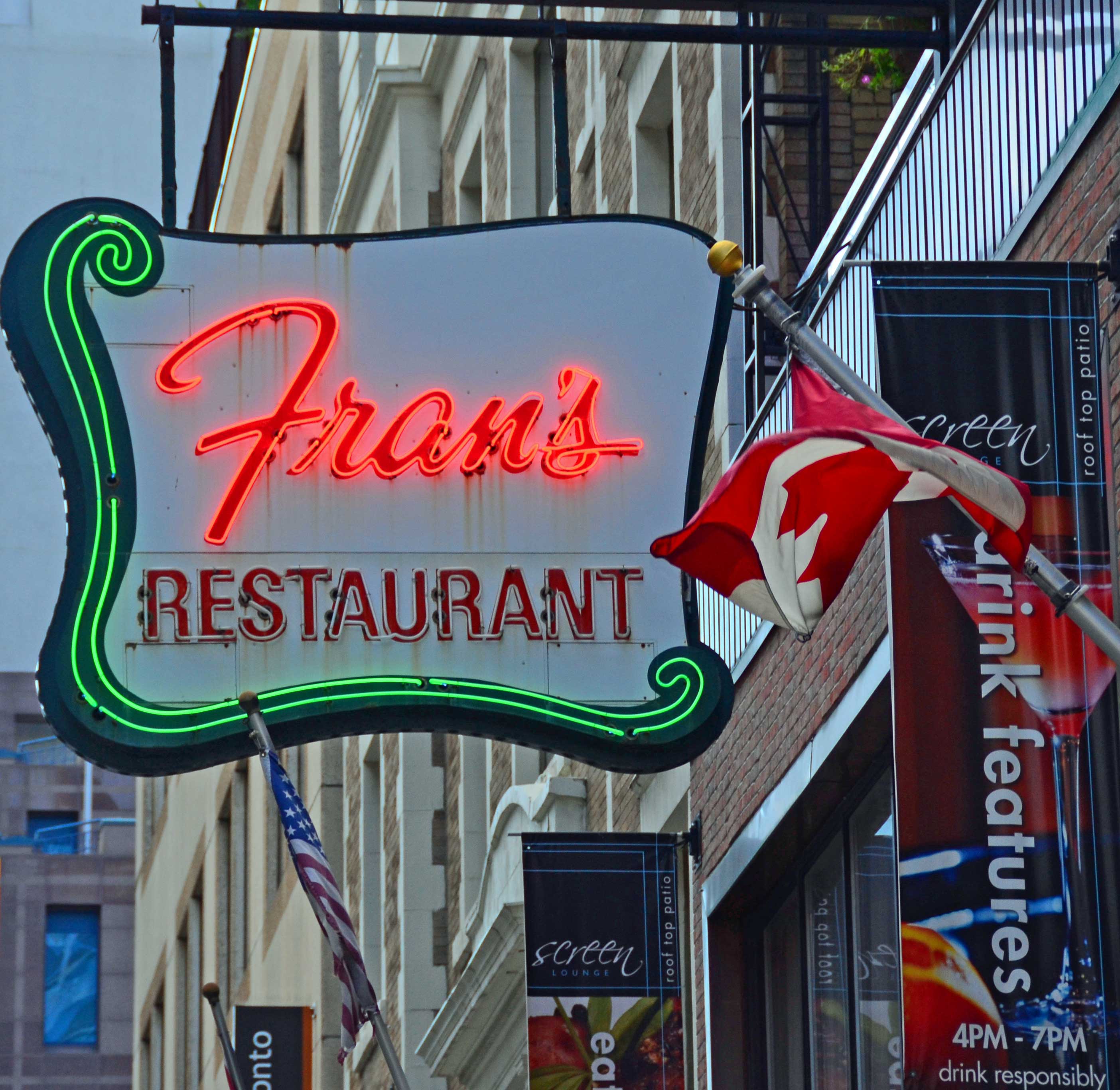
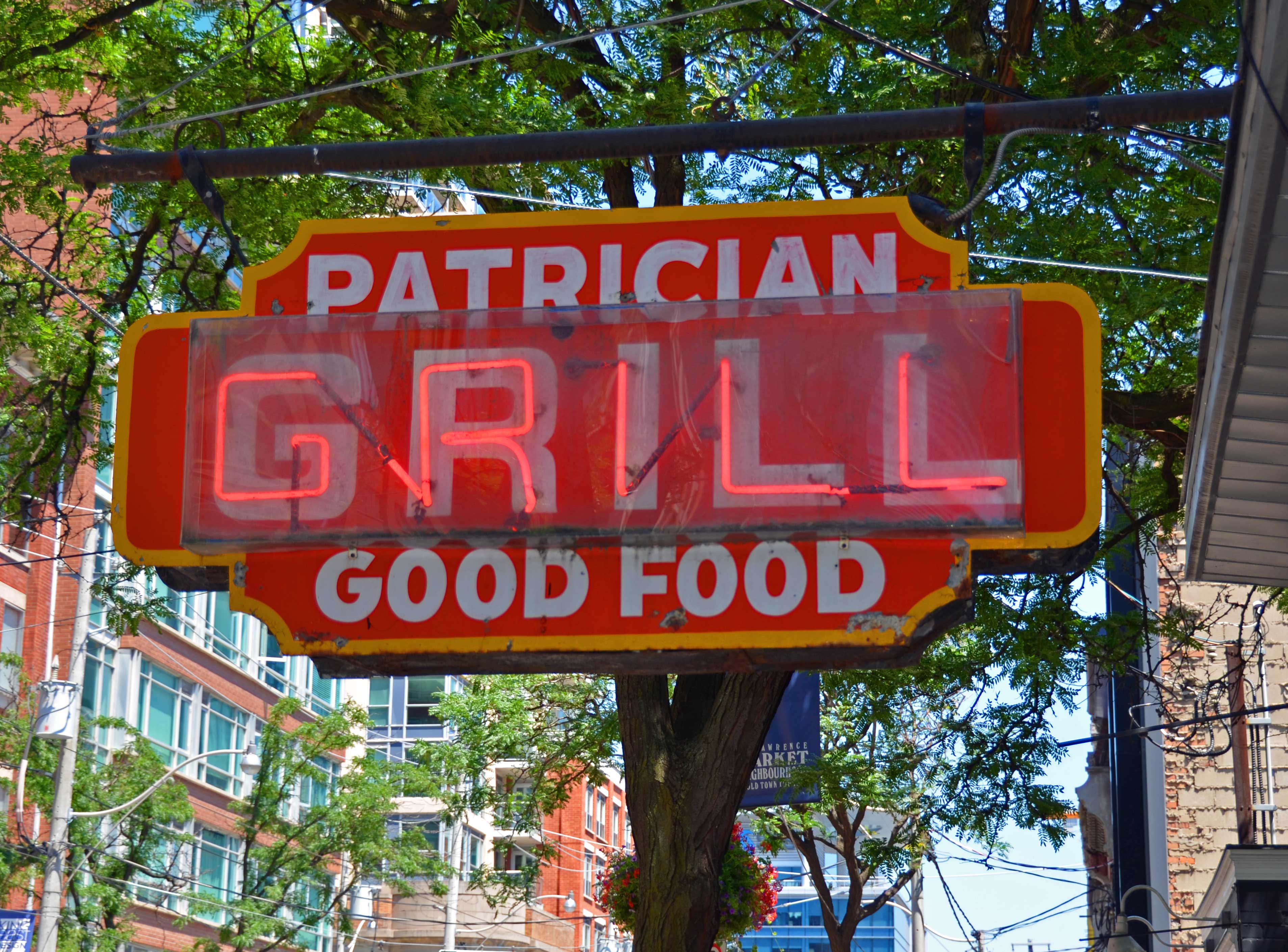
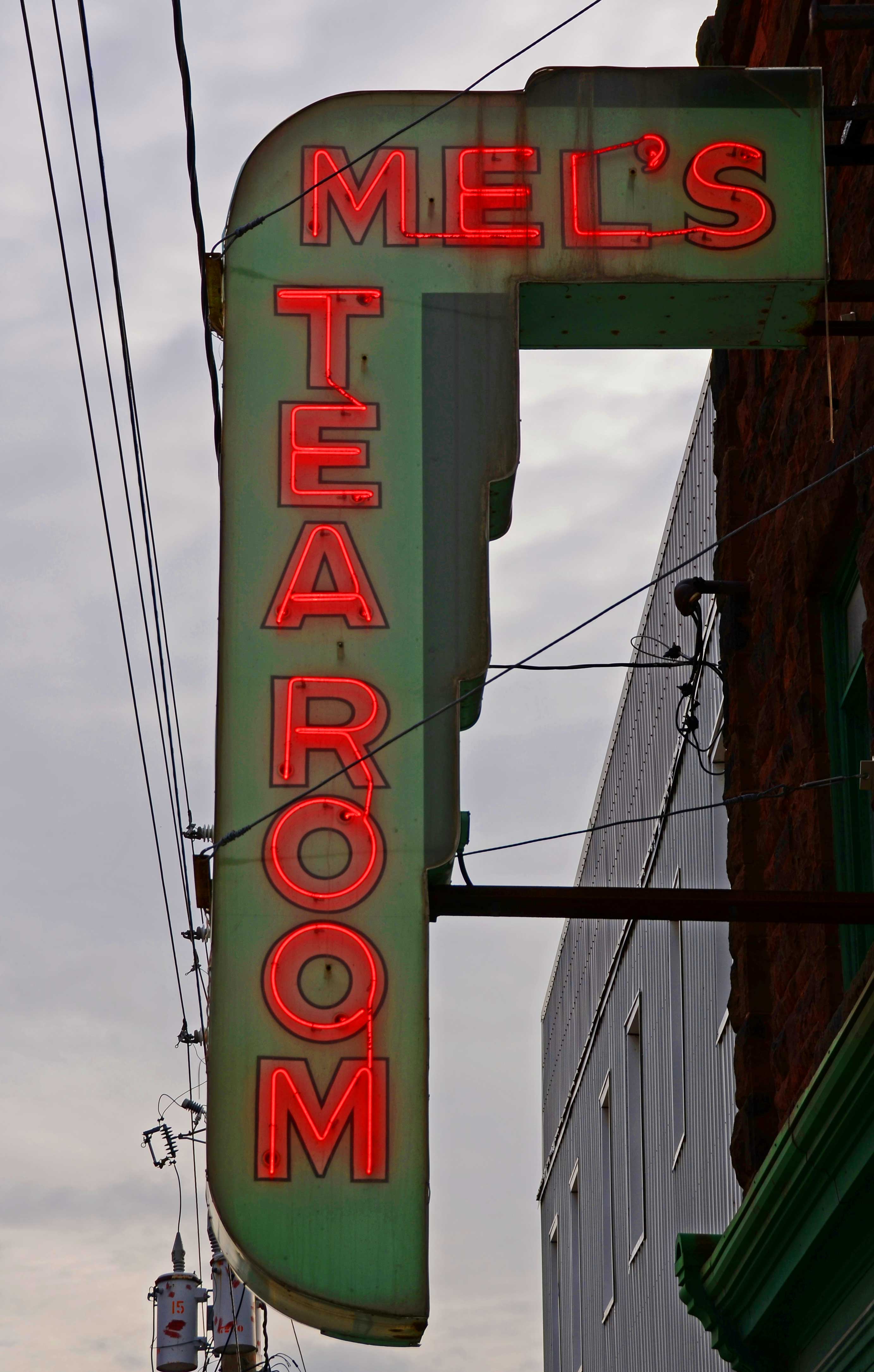
Mixed in among modern urban streetscapes, the look and feel of the rare classic neon and bulb-lit signs are distinctive. I spied these in Toronto and one in New Brunswick (the fabulous sign for Mel’s Tea Room!), which happily stand the test of time.

DSC_0786

~

DSC_0743

~

wwwDSC_9390

~

DSC_0965

~

DSC_1198

Robert McAffee — Artist to Appreciate

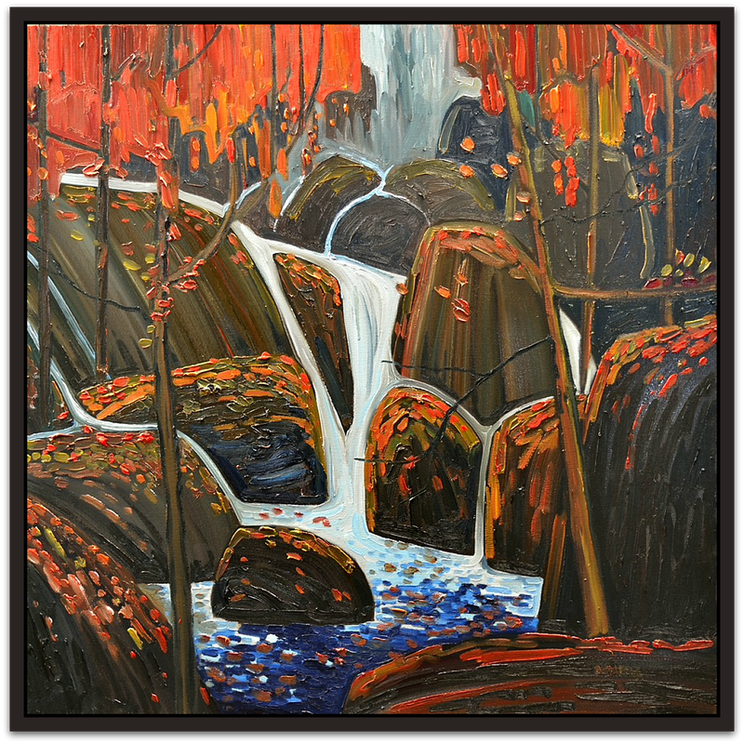
R. McAffee -- The Foot of the Falls

Robert McAffee, The Foot of the Falls

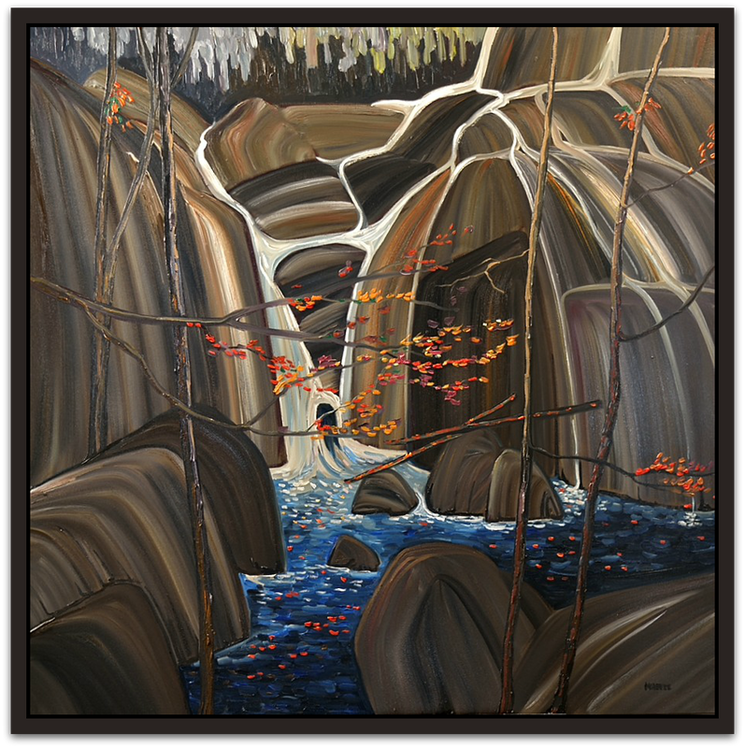
Toronto-based Robert McAffee’s contemporary landscape art is striking in many ways.  His lush scenes of the Canadian wilderness pay homage to the influences of several Group of Seven artists — notably Lawren Harris, Tom Thomson, A.J. Casson and Arthur Lismer.   McAffee seems to have internalized aspects of each with a resulting style that is wonderfully distinct from any one of them.  More about McAffee’s beautiful artwork and links to galleries that carry his pieces can be found at his website here.

R. McAffee -- The Three Sisters

Robert McAffee, The Three Sisters

~

R.McAffee

R. McAffee, Fishing By the Rocks

~

R. McAffee -- North Shore Twisty

Robert McAffee, North Shore Twisty

~

R. McAffee -- Waterfall

Robert McAffee, Waterfall

(Image credits:  Artist’s website)

Similar Posts on O’Canada:

> David Silcox’s Exquisite Book on The Group of Seven

> The Group of Seven’s Landscape Explosion

> Amazing Landscape Artistry of Philip Buytendorp, Jennifer Woodburn and Steve Coffey


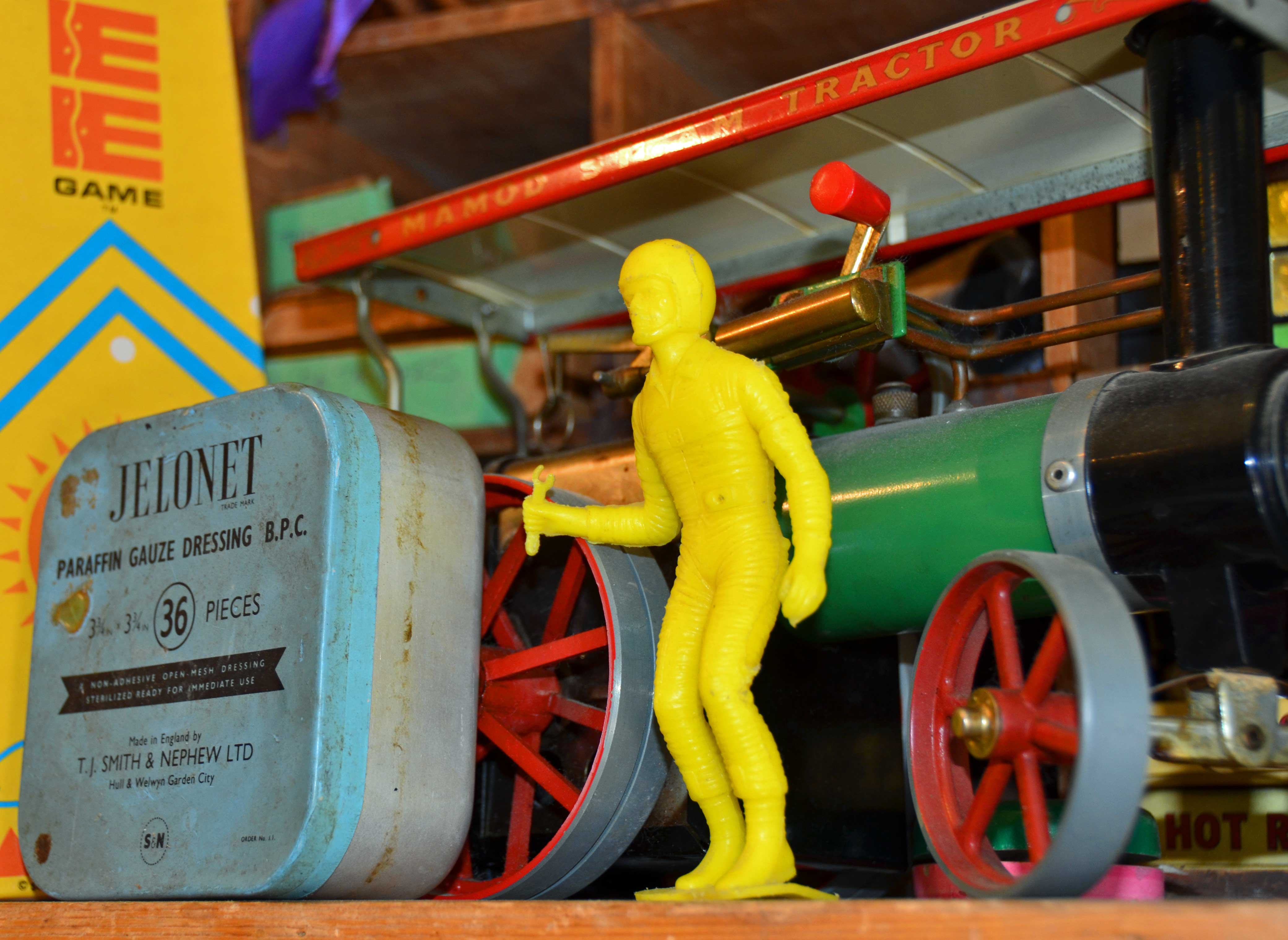
Let’s Play!: Gaddabout Vintage Part II

aDSC_0881

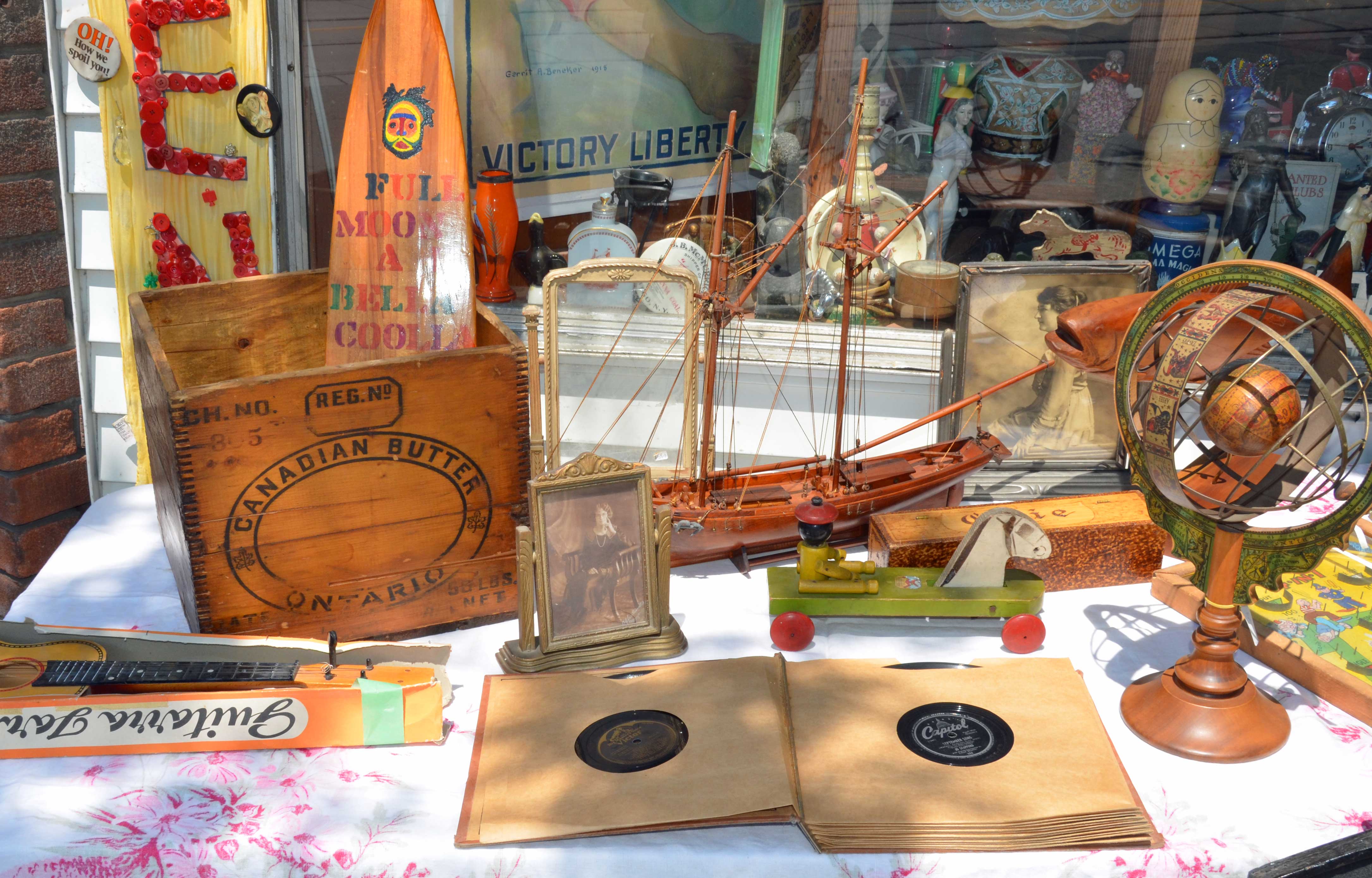
Following up on a recent post about Toronto’s Gaddabout Vintage, here’s another installment of wonderful baubles — this time toys and the like — that can be found in this perfect little shop with something for every taste (and age).


Bridges As Depicted on Vintage Postcards

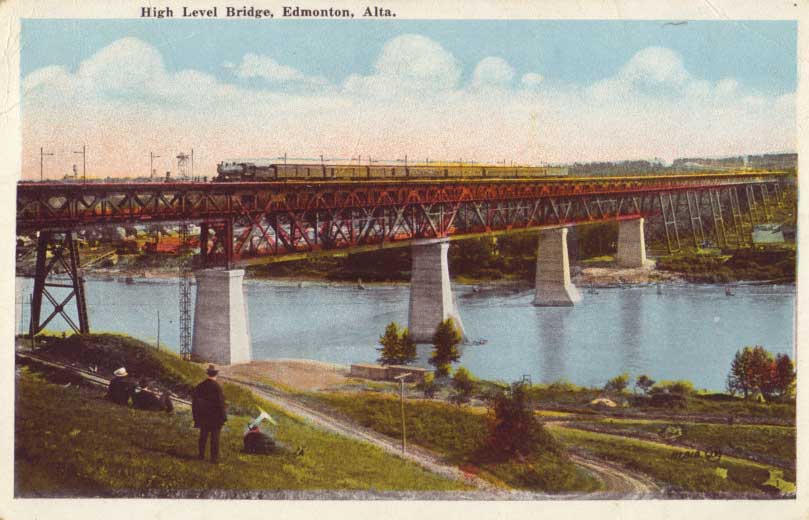
High-Level-Bridge,-Edmonton

 Steam train crossing as onlookers leisurely enjoy the vista.  Postmarked 1921. 

~

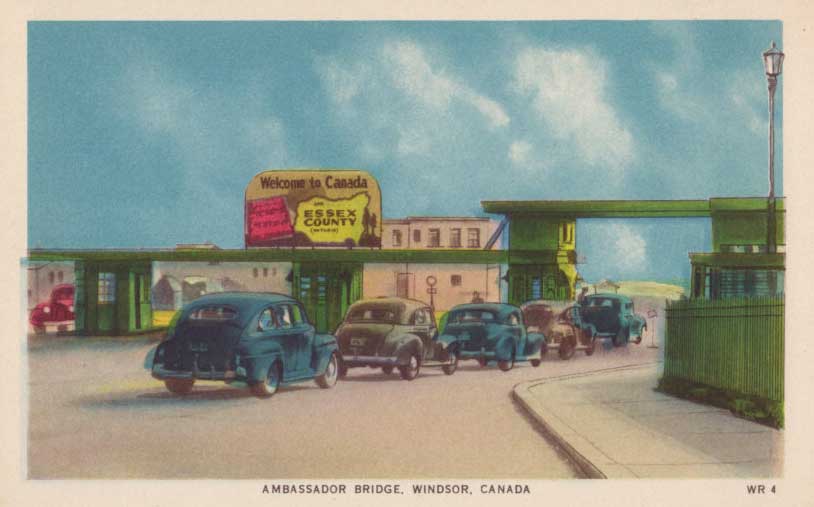
Even with sophisticated modern equipment, bridges are marvels of engineering skill.  Bridges from earlier periods, such as the array of Canadian ones featured on these vintage postcards, built without the benefit of such conveniences and often at the cost of many lives and injuries, are that much more impressive!

Heading into Canada from Detroit.  About 1940s, when cars featured many curves.

~

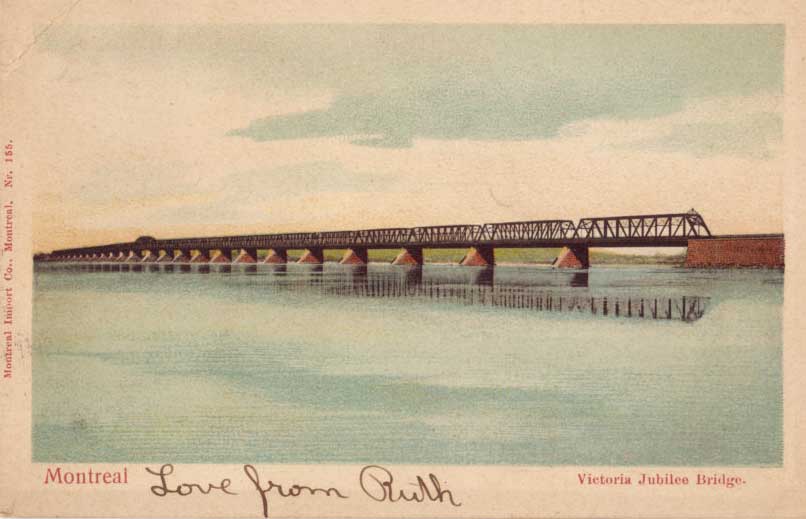
Victoria-Jubilee-Bridge

Love the simplicity of this image and the partial reflection. Postmarked 1906.

~

Similar posts:

•  Beautiful Old Railway Bridge, Near Clementsport, N.S.

•  Canada-U.S. Friendship Postcard and Stamps

•  Vintage Quebec:  Ox Carts, Dog Carts and Sleighs

An A++ for Toronto’s Gadabout Vintage

 aDSC_0863

~

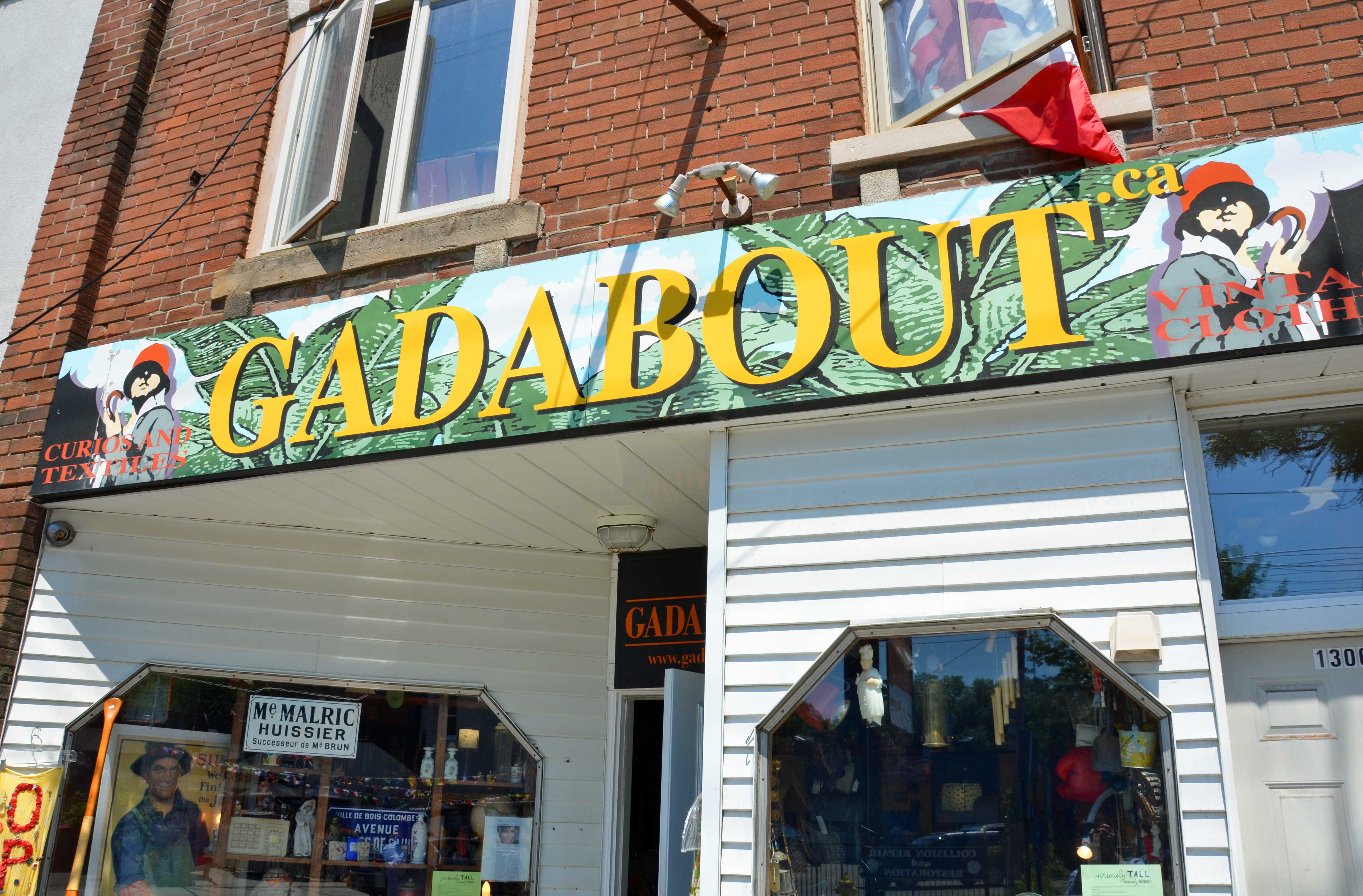
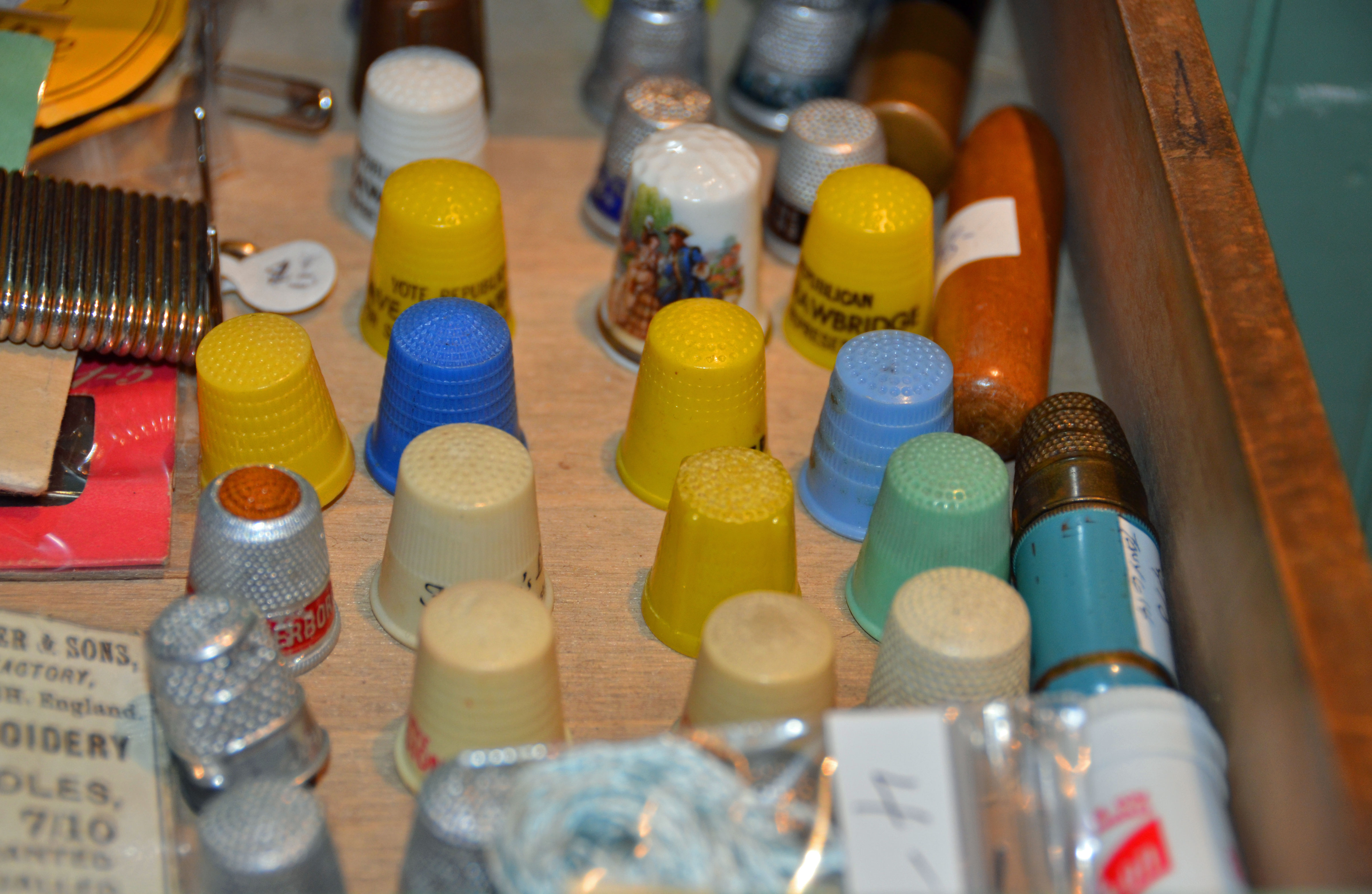
While spending a late morning in Toronto’s very hip Leslieville neighborhood I happened upon Gadabout, a fantastic vintage shop showcasing all manner of things from bygone eras.  The store’s very friendly proprietor, Victoria Dinnick, was cheerily helpful and wonderfully gracious in allowing my impromptu photography in her jam-packed two-story shop.  Equally as impressive as Gadabout’s extensive offerings of vintage items are the mad and clever organizational skills on display.  For instance,  numerous rustic cabinets and drawers are carefully labeled to hint at the nifty contents tucked within just waiting for the curious.   (In one such drawer I found the heart-shaped box pictured below, with which I later happily surprised my sweetie.)

I plan to share several categories of photographs — including clothing, housewares, figurines and toys — from this neat little shop in future posts and these shots are just a sampling.  More on Gadabout can be found at its official site here (or stop in over on Queen Street East!).

aDSC_1276

 ~

aDSC_0904

~

aDSC_0859

~

aDSC_0903

~

aDSC_0877

~

aDSC_0860

~

aDSC_0858

~

aDSC_0871

~

aDSC_0891

~

aDSC_0867


The Orenda and the Constant of Change


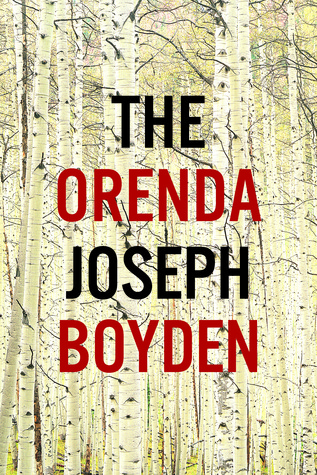
The Orenda

Oh, that bittersweet feeling of finishing a good book that not long before was a welcome and constant companion!   So it is with my having just finished Joseph Boyden’s The Orenda, a gripping epic set around the mid-1600s during the time of first contact between First Nations people and Europeans in what would become Canada.   The Wendat, or Huron, people, who are one of the principal subjects of this book, believed that each of us and every thing is endowed with an “orenda” or life force, and, so it is, more broadly, with cultures.

Not surprisingly, The Orenda was the top choice in the 2014 Canada Reads competition and good reviews abound for this riveting novel (for instance here on GoodReads).  So, rather than pen another, below is a brief excerpt that encapsulates one of the deep philosophical themes underlying the drama that unfolds within its pages. Throughout my reading of Boyden’s poetic work my thoughts continually dwelled on how this snapshot of a not-too-distant earlier time aptly reflects the concepts found in Buddhism, Hinduism and some other spiritual traditions  of samsara (the cycle of birth, death and re-creation), change and suffering, each of which are constants in our world and in the clash of civilizations throughout history.

“Success is measured in different ways.  The success of the hunt.  The success of the harvest.  For some, the success of harvesting souls.  We watched all of this, fascinated and frightened.  Yes, we saw all that happeed and, yes, we sometimes smiled, but more often we filled with fret.  The world must change, though.  This is no secret.  Things cannot stay the same for long.  With each baby girl born into her longhouse and her clan, with each old man’s death feast and burial in the ossuary, new worlds are built as old ones fall apart.  And sometimes, this change we speak of happens right under our noses, in tiny increments, without our noticing.  By then, though, oh, by then it’s simply too late.

“Yes, the crows continued to caw as crows are prone to do, and after a while we got used to their voices even when they berated us for how we chose to live.  Some of us allowed them their cackling because we found it entertaining, others because we believed our only choice was to learn how to caw ourselves.  And still others kept them close for the worldly treasures their masters promised.

“It’s unfair, though, to blame only the crows, yes?  It’s our obligation to accept our responsibility in the whole affair.  And so we watched as the adventure unfolded, and we prayed to Aataentsic, Sky Woman, who sits by the fire right beside us, to intervene if what we believed was coming indeed coalesced.  But Aataentsic only need remind us that humans, in all their many forms, are an unruly bunch, prone to fits of great generosity and even greater meting out of pain.”

 ~~~

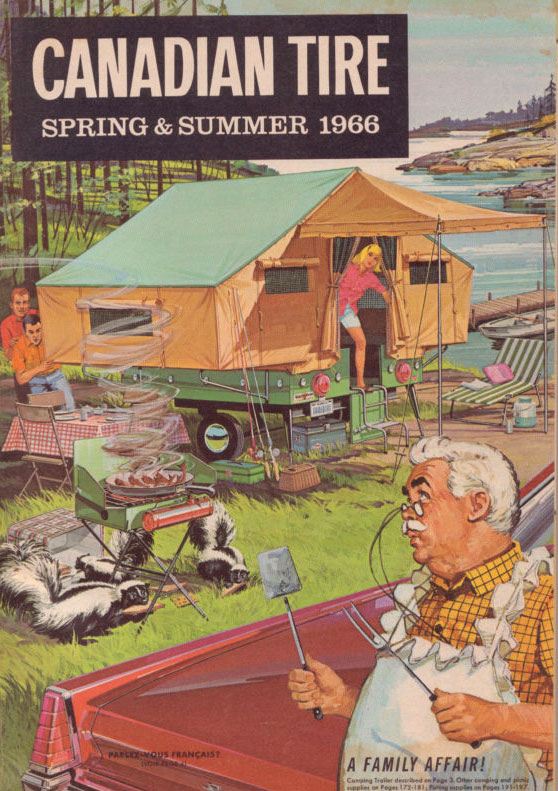
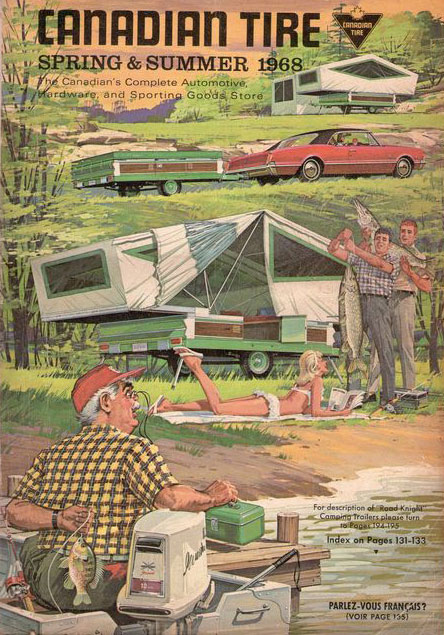
Cheeky Humor of Vintage Canadian Tire Catalogues

CanTire----1956w

~

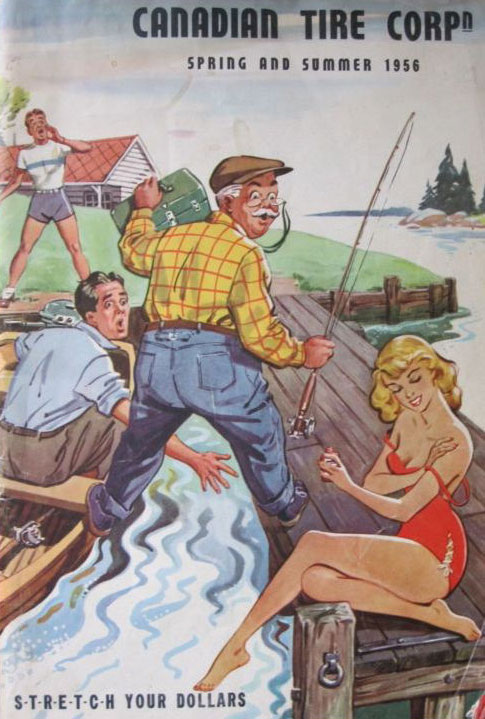
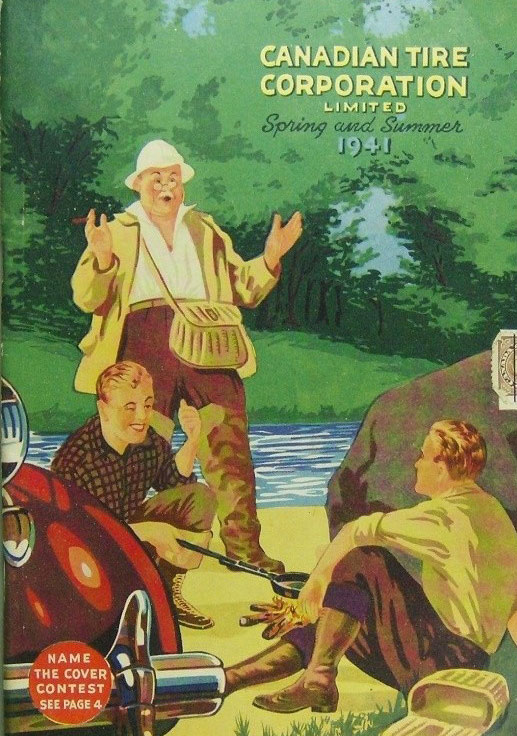
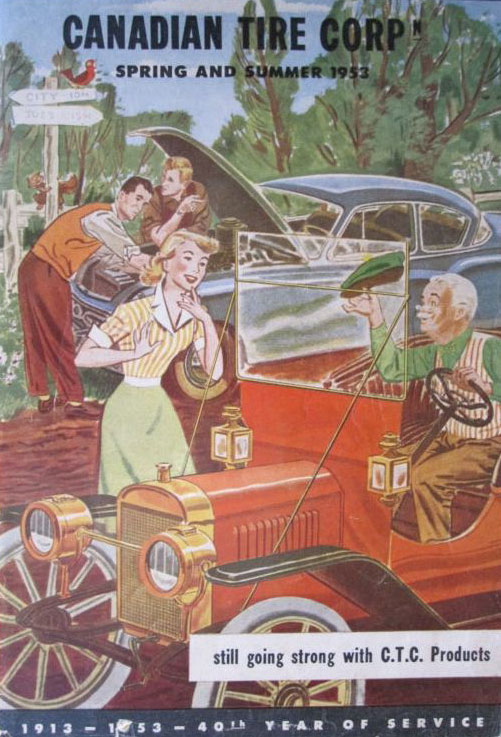
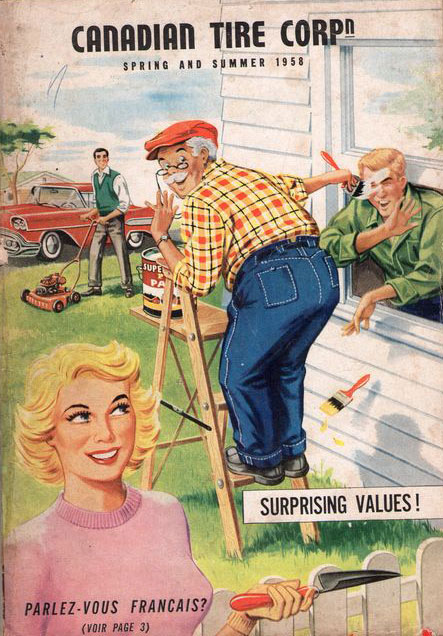
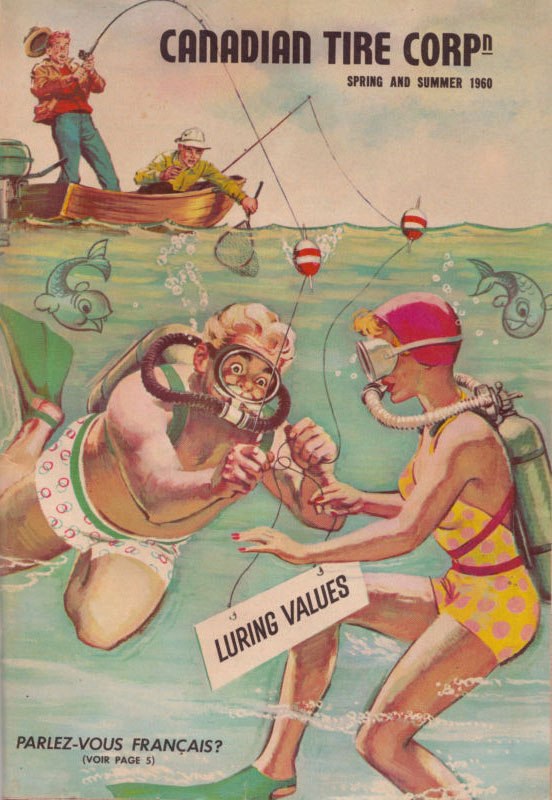
Wherever you go in Canada, you’re probably not far from a Canadian Tire location, a retailer that carries auto parts, sporting goods, hardware and some appliances, clothing and all manner of other goods.  Canadian Tire is so popular it even has its own pseudo-currency — Canadian Tire Dollars — that are both usable and collectible.  Many of the retailer’s older advertisements featured humorous bits — some slightly suggestive — as illustrated by these Spring and Summer catalogs across the years. (I’ll post later some others from Fall and Winter editions of the C.T. catalogs.)

CanTire----1941w

~

CanTire----1953w

 ~

CanTire----1958w

~

CanTire----1960w

~

CanTire----1966w

~

CanTire----1968w


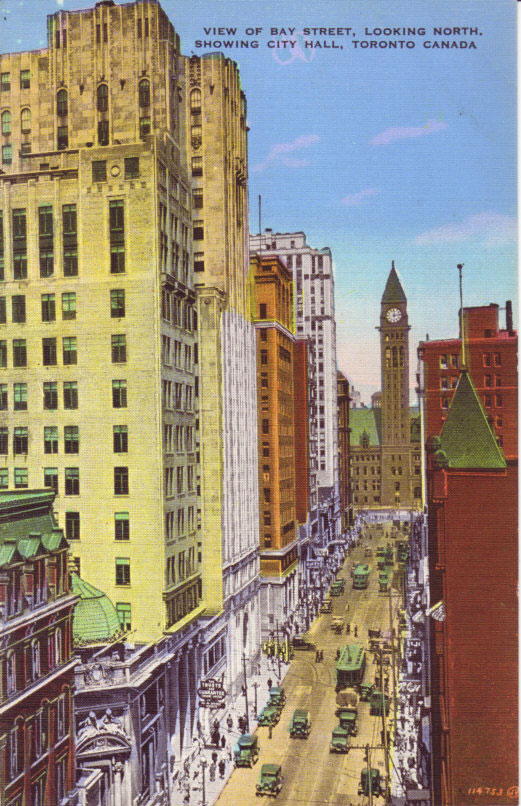
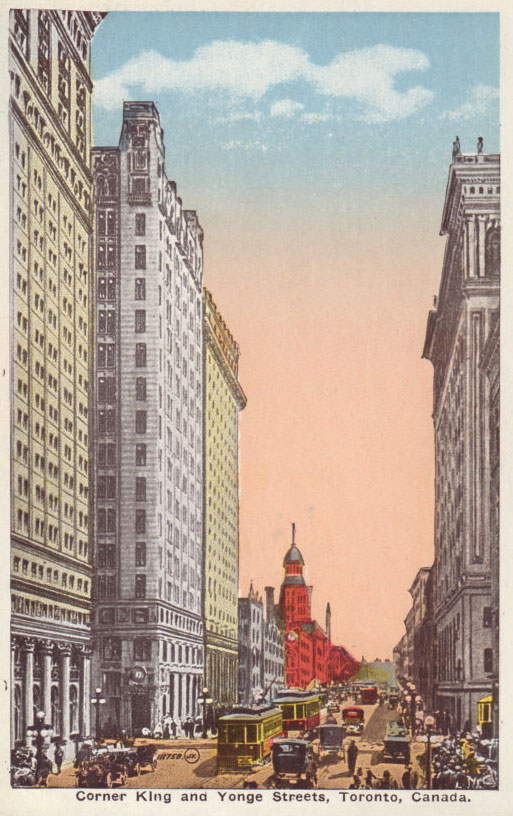
Ever-Bustling Early 20th Century Toronto

wToronto----Bay-Street

No Postmark– Around 1920s

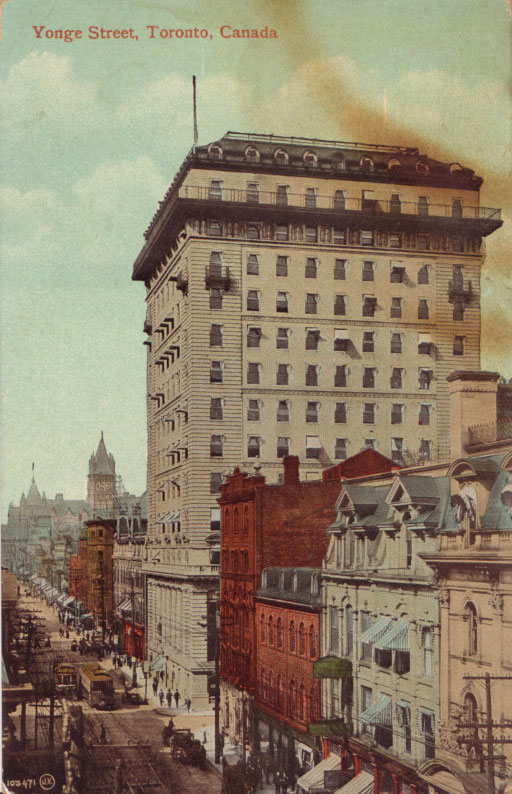
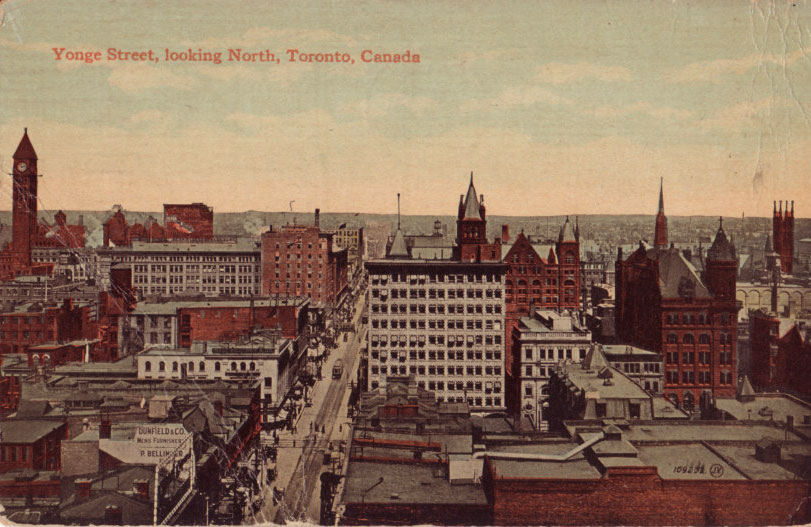
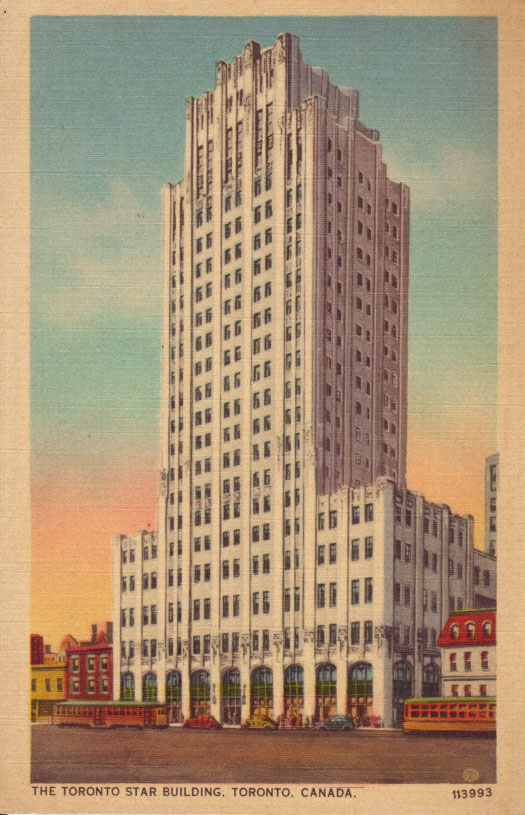
The cityscape of Toronto, with its many tall buildings adorned with fine architectural detail and its bustling street-level activity, is most akin to what Americans encounter in the busy cities of New York and Chicago.  These early 20th century postcards highlight the magnitude of Toronto even then.  The people and vintage vehicles in these tinted images add interest and help define scale.

wToronto----King-and-Yonge-

No Postmark — Around 1920s

~

wToronto----Yonge-Street

Postmarked 1910

~

wToronto----Yonge-Street-2

 Postmarked 1918

~

wToronto----Star-Building

Postmarked 1939

~


Old Maps and Their Hidden Stories

Nova Canadae 1693

Nova Canadae (1693)

*

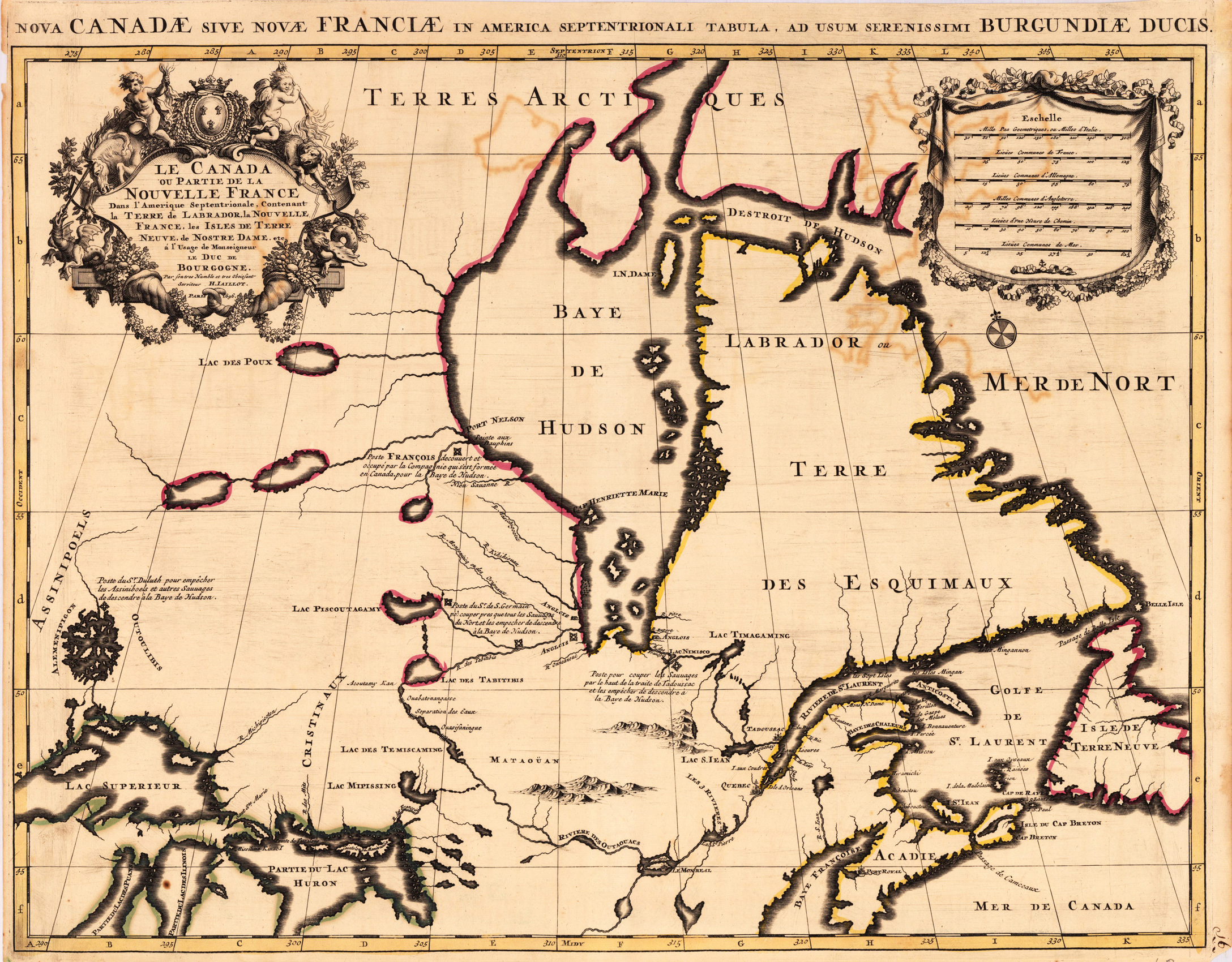
Good historical maps combine science and art to guide its users through its subject geography, with the best such maps igniting the imagination about the many backstories underpinning its cartographical offerings. Some of the oldest maps of North America include parts of Canada, which then featured place names such Terra Nova (now Newfoundland), Nouvelle France (most of what is now Eastern Canada), and Acadie (now Nova Scotia).  The following collection showcases some interesting old maps of Canada I’ve come across.

Related Posts on O’Canada:

1933 Quebec Tourist Road Map

Mother’s Day Homage: The Wilcox Family Gravestones

mDSC_9417

 Base of Gravestone of Susan Wilcox (1834-1918), “Mother”

*

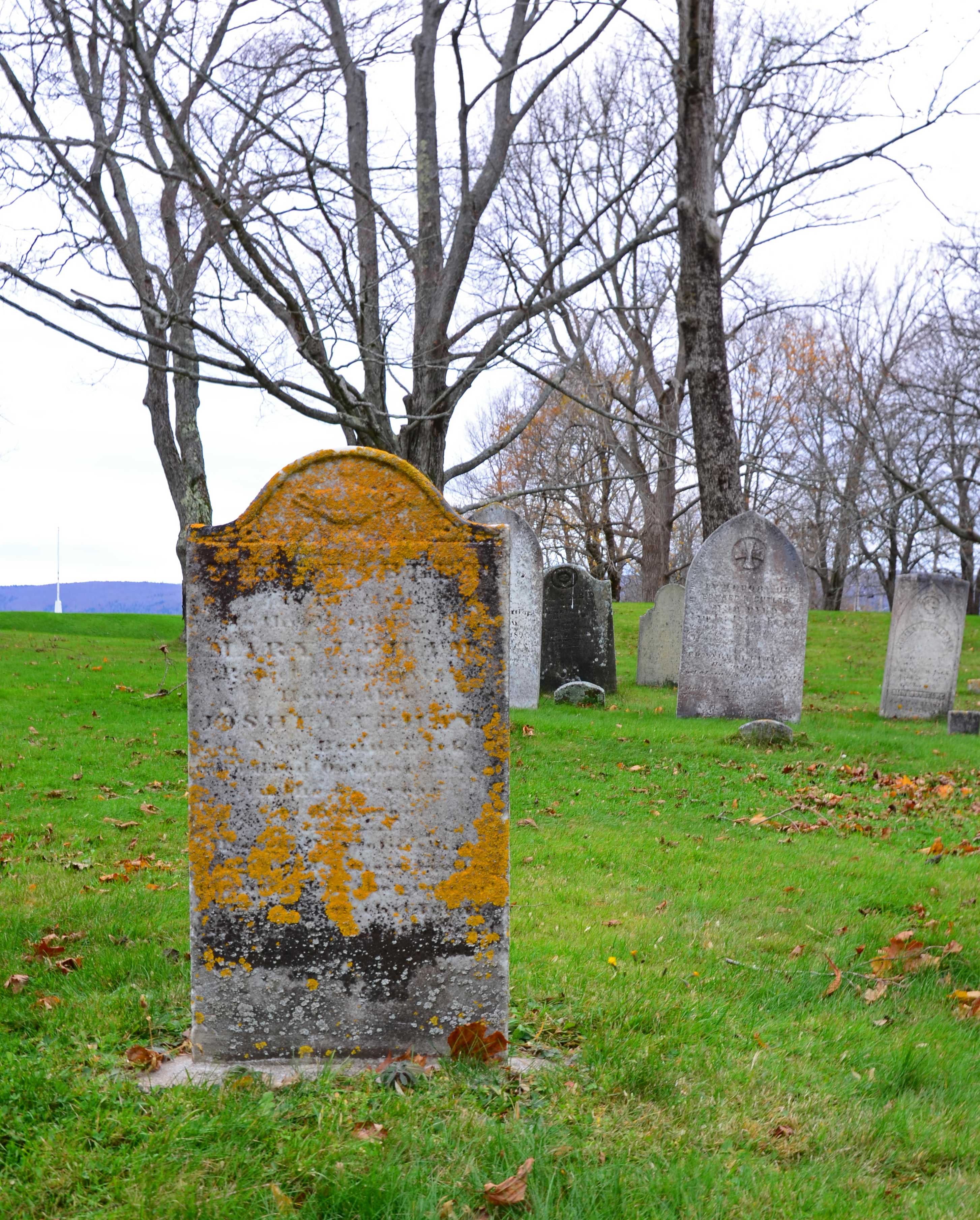
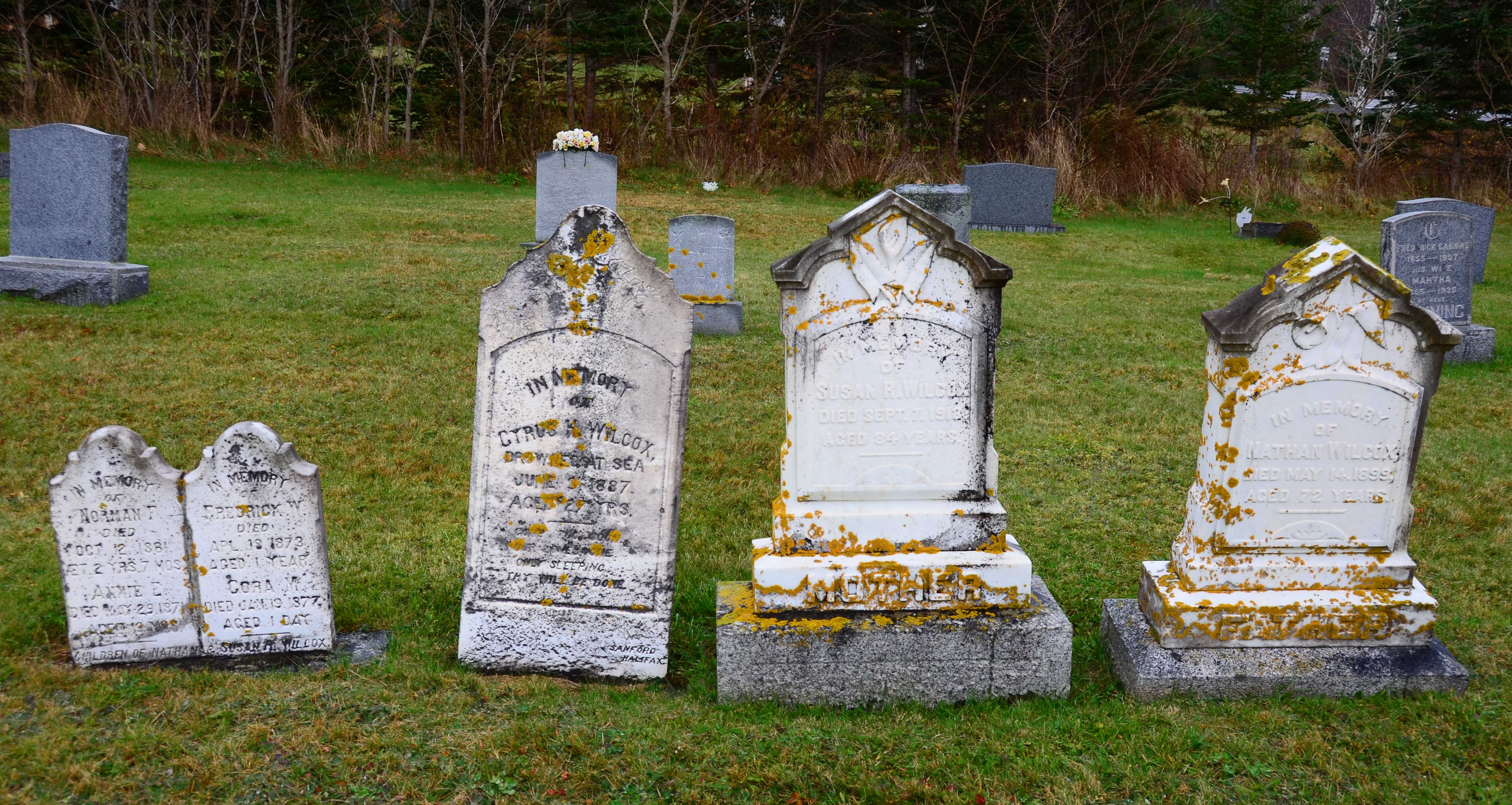
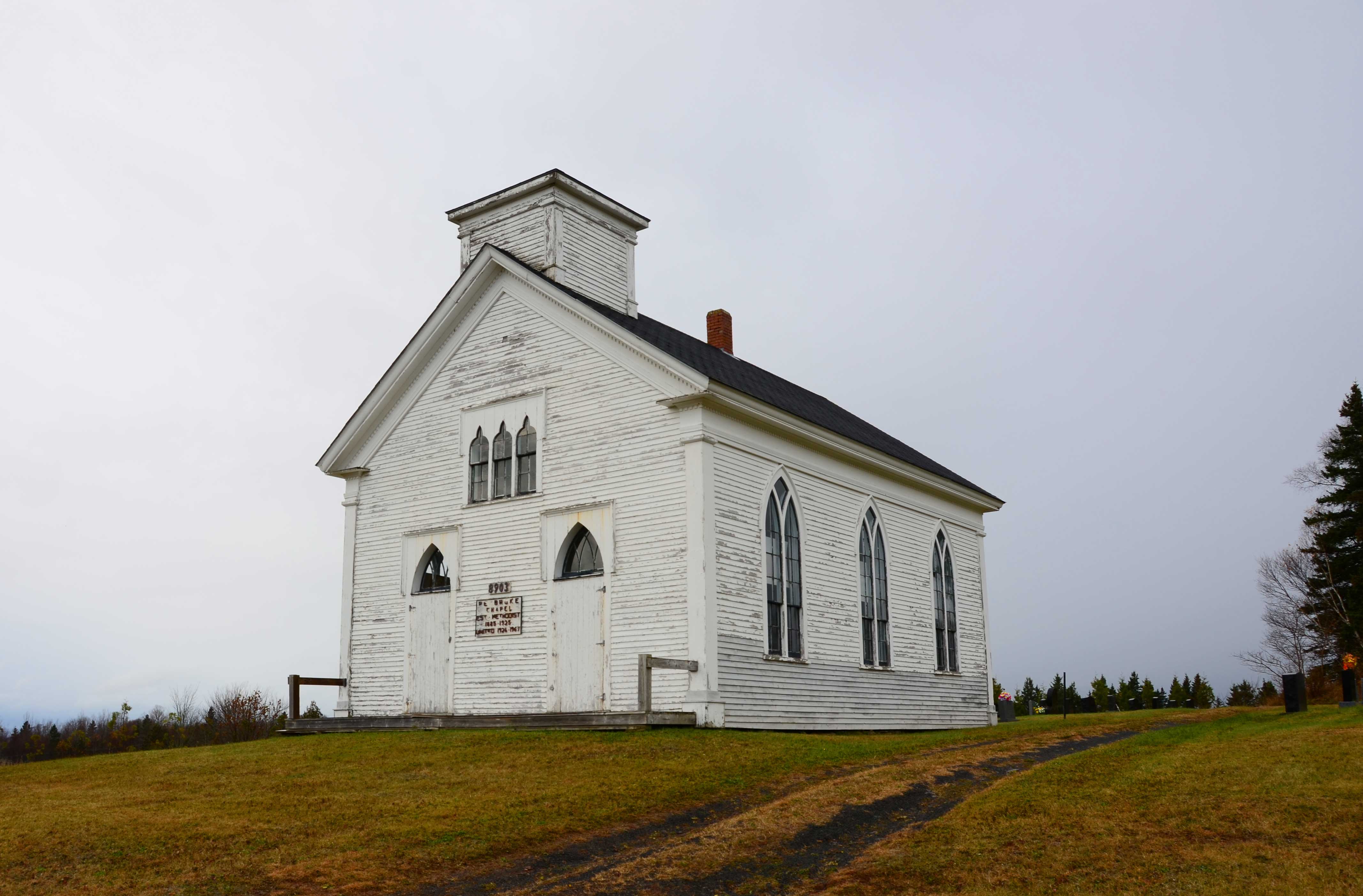
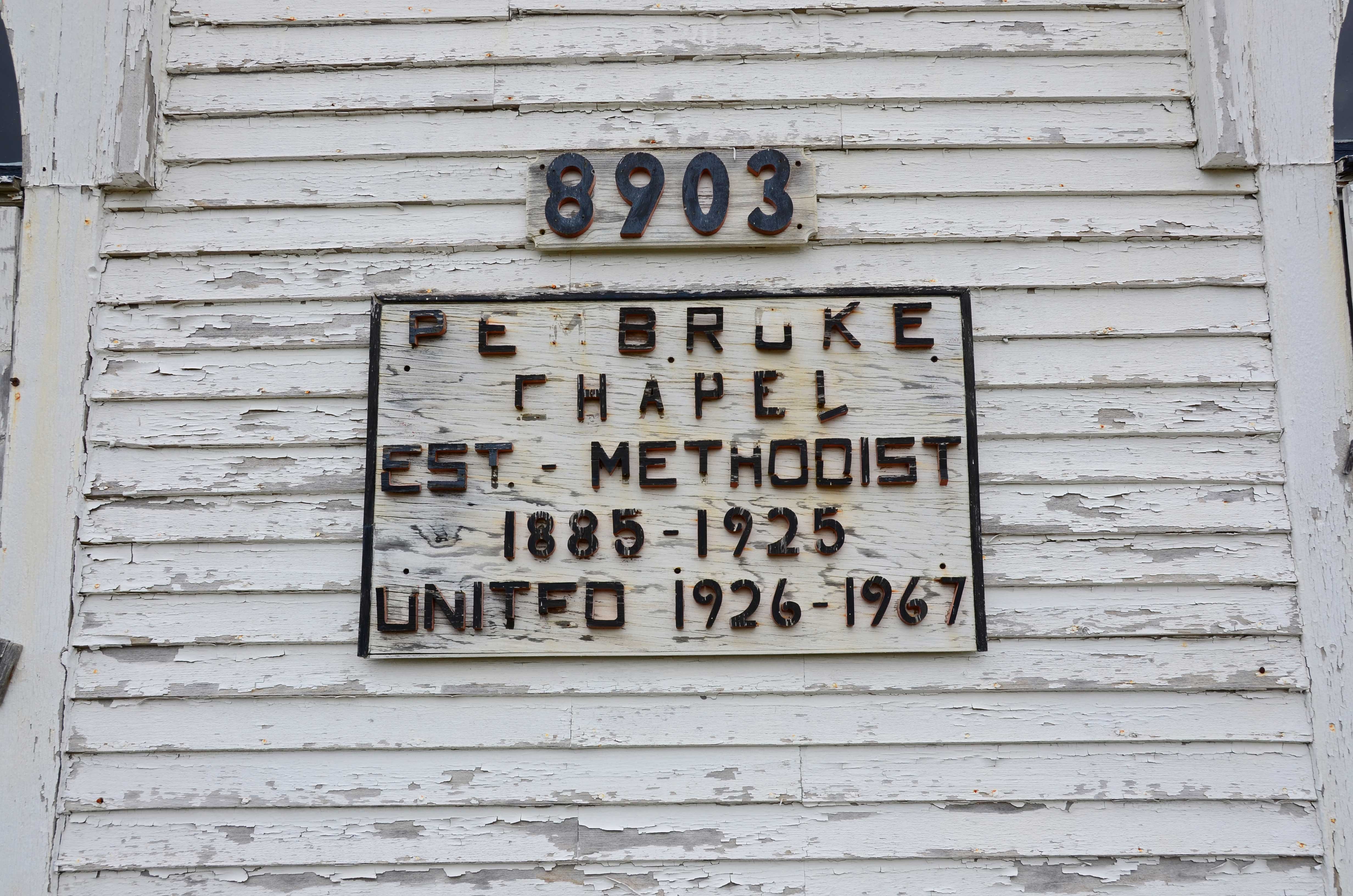
The sorrows of motherhood and the difficulty of raising children safely to adulthood more than a century ago were poignantly brought to mind by a grouping of gravestones I happened upon last Fall in the cemetery of the old Pembroke Chapel (originally Methodist and later a United Church) in Pembroke, Nova Scotia.

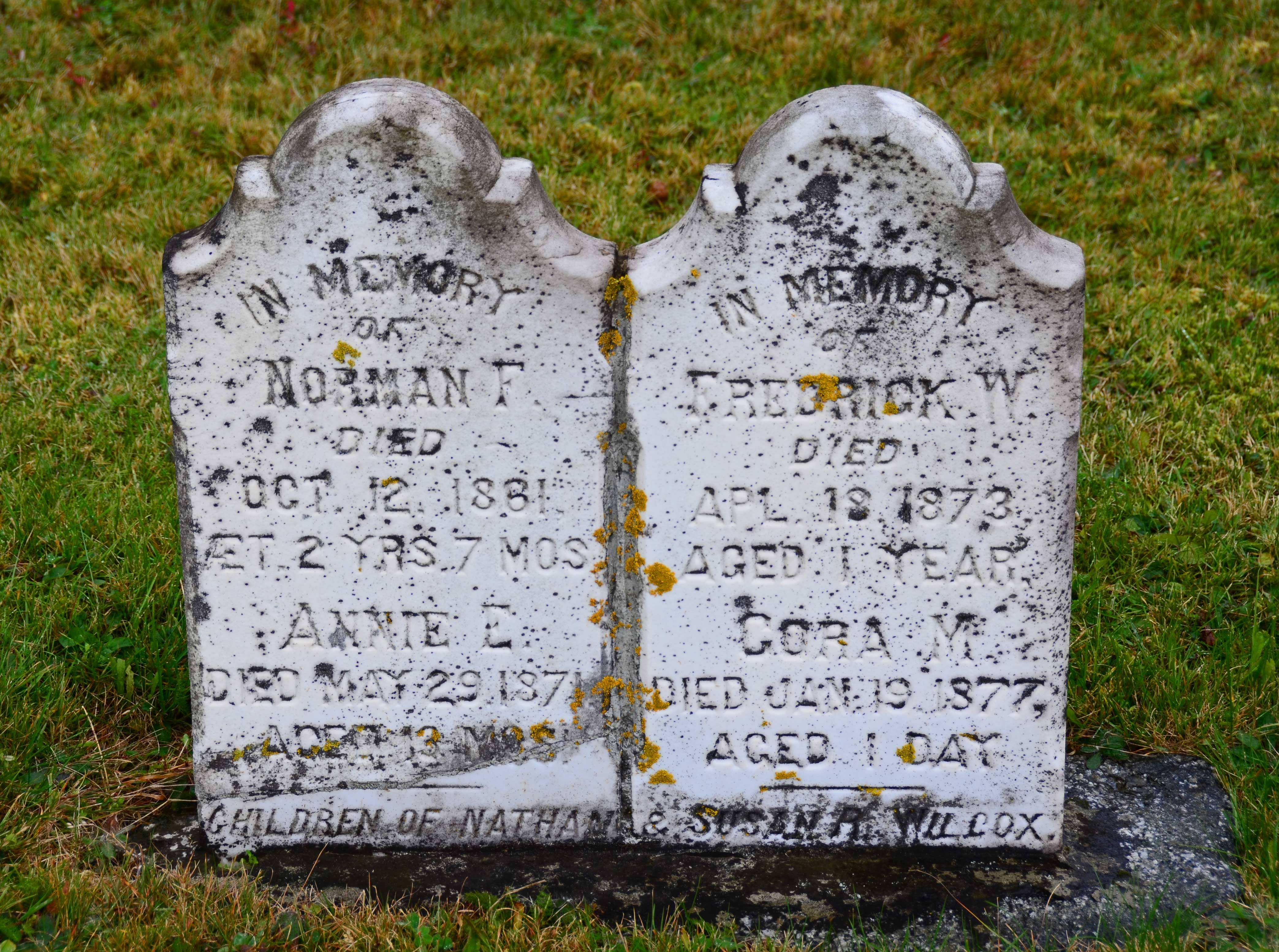
Situated beside the gravestones for Susan Wilcox (1834-1918) — prominently marked “Mother” — and her husband, Nathan (1827 -1899), are markers for five of their children, each of whom predeceased their parents:  Cyrus, who it’s noted “Drowned At Sea”, aged 27 years, 1887;  Norman F., aged 2 yrs. 7 mos., 1861; Annie E., aged 13 mos., 1871; Frederick W., aged 1 yr., 1873; and Cora M., aged 1 day, 1877.

My curiosity prompted a search of old genealogical records here, which revealed that Susan and Nathan Wilcox had a total of 11 children (born between 1859 to 1880) — quite a brood!  Families were larger then partly because additional helping hands were needed and life was understood to be more precarious.   To lose a child is an unbearable thought for any parent and to have five leave this world before either parent sounds utterly tragic.  Even though they had six children that survived them and considering that many things about life being very tough may have been taken in stride back then, I imagine that this mother and father must have endured an immense measure of grief.

Thus, this homage to motherhood and Mother’s Day and a reminder to be thankful for family, friends and other loved ones, as well as to treasure each of our precious days (on Mother’s Day and beyond).
mDSC_9414

Gravestones for Nathan and Susan Wilcox Family, Pembroke, Nova Scotia

*
mDSC_9413

 Markers of Norman F., Annie E., Frederick W. and Cora M. Wilcox

*

mDSC_9414

 Markers of Cyrus Wilcox and his mother, Susan Wilcox

 *
mDSC_9409

Old Pembroke Chapel, Pembroke, Nova Scotia

*
mDSC_9424

*

Similar posts on O’Canada:

* Saint John’s Transcendent Old Loyalist Burial Grounds

* Halifax’s Beautiful Old Burying Ground

* Canada’s Oldest Regular Cemetery:  Garrison Cemetery, Annapolis Royal, N.S.
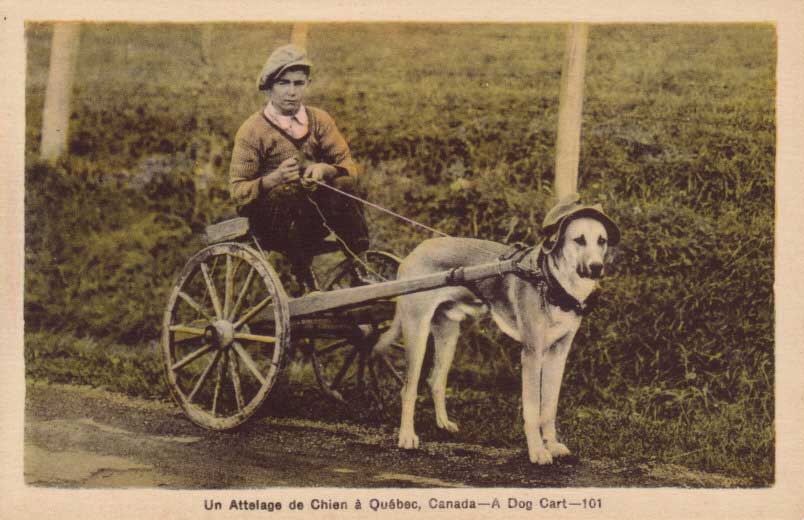
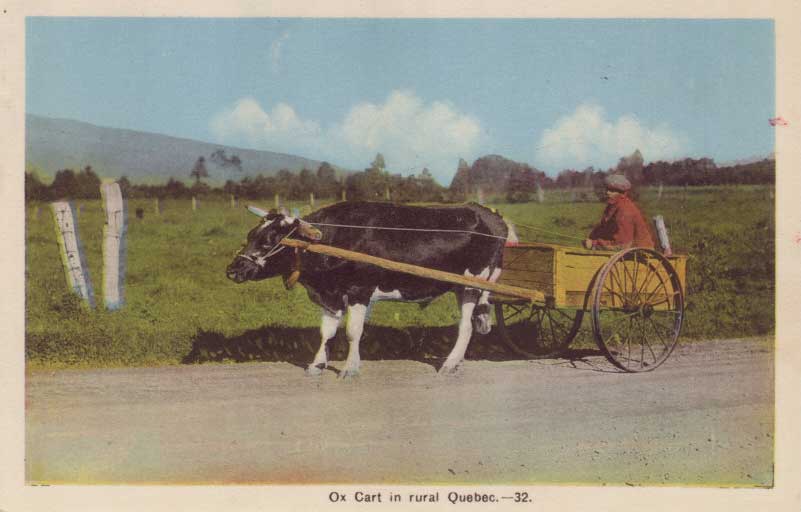
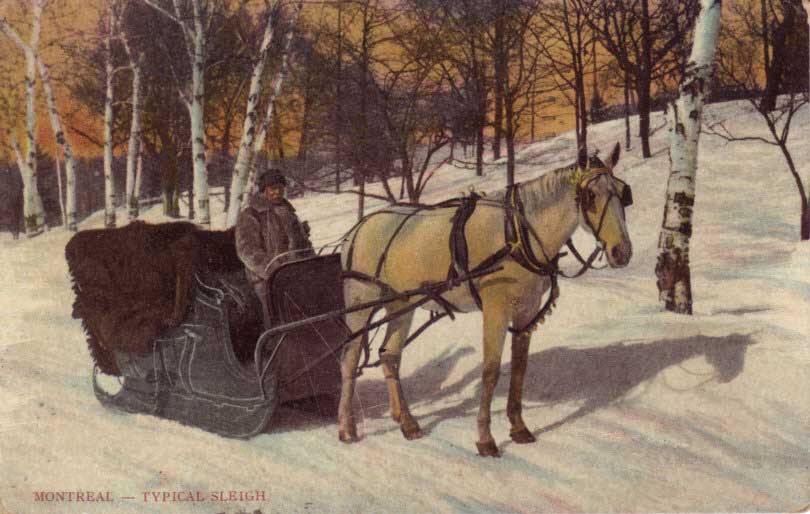
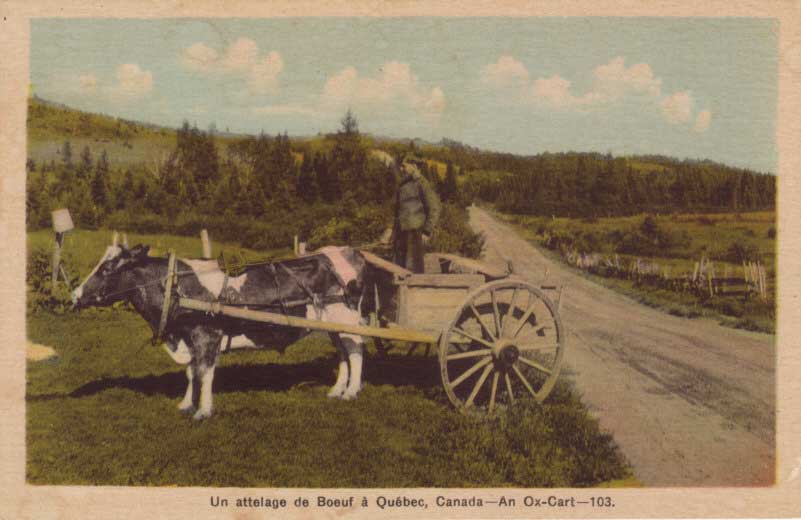
Vintage Quebec: Ox Carts, Dog Carts and Sleighs

Rural----Dog-Cart

A Dog Cart in Quebec (late 1940s/early 1950s)

Much of Quebec has long had a rural character.  As shown in these vintage postcards, the province’s resourceful people would routinely enlist their animals — even dogs! — in the daily chores.

*

Rural----Ox-Cart-1

Ox Cart in Rural Quebec (late 1940s/early 1950s)

*

Rural----Winter-Sleigh

Sleigh in Winter in Montreal (postmarked Apr. 3, 1911) — Note on card reads in part: “Dear Father,  This is what they are doing way up here in April.   It thaws very little even yet.  .  .  .  With love, H.K.I.”

*

Rural----Ox-Cart-2

Another Ox Cart in Rural Quebec (late 1940s/early 1950s)

*

Similar posts on O’Canada:

* When Motels Were Newer and Grander

* Early 1900s Town Markets

* Moonlit Views of Yesteryear Canada

* Pastoral Splendor on the Ile de Orleans


When Motels Were Newer and Grander

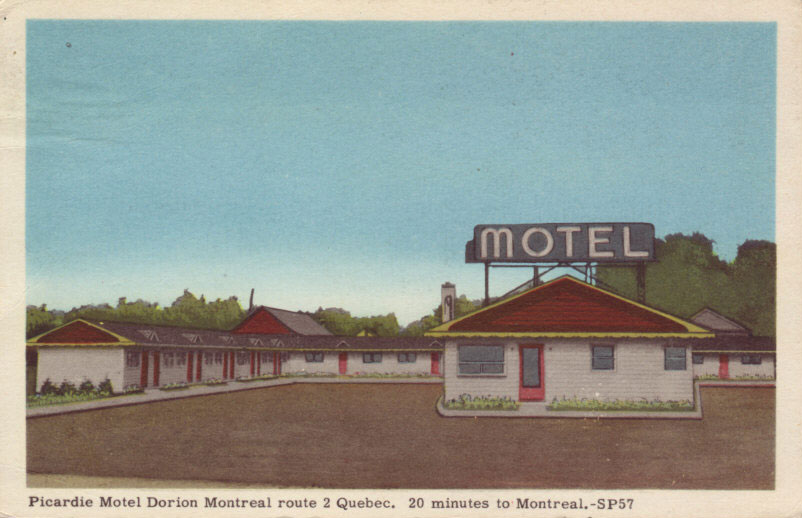
wPicardie-Motel,-Quebec

Lovely watercolor effect, simple signage and lines, very retro!

___

From the 1920s to the early 1960s, the automobile led the way to leisurely road trips and the chance for a quick getaway down newly paved  highways across Canada and the U.S.  The cozy roadside motel filled the need  for an affordable, convenient place for the weary driver and family to kick back and relax in relative luxury with then modern conveniences (such as showers in each room, radio, TV and Hi-Fi!), as these vintage postcards attest.

Early 1900s Town Markets

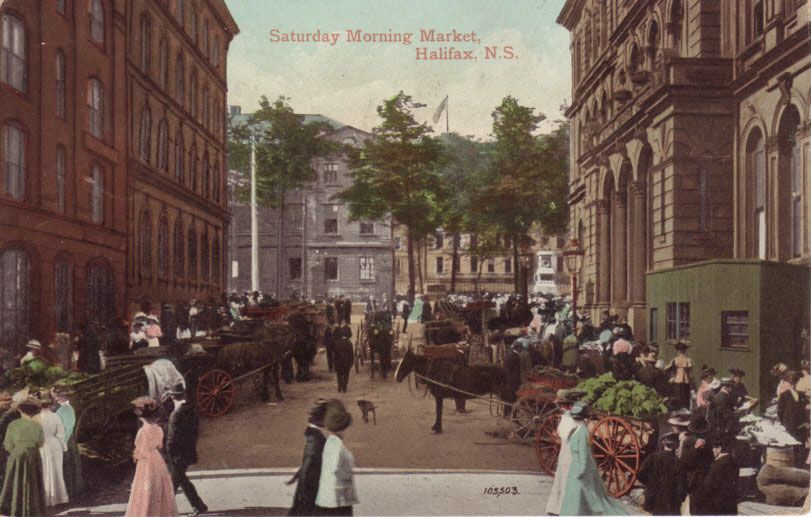
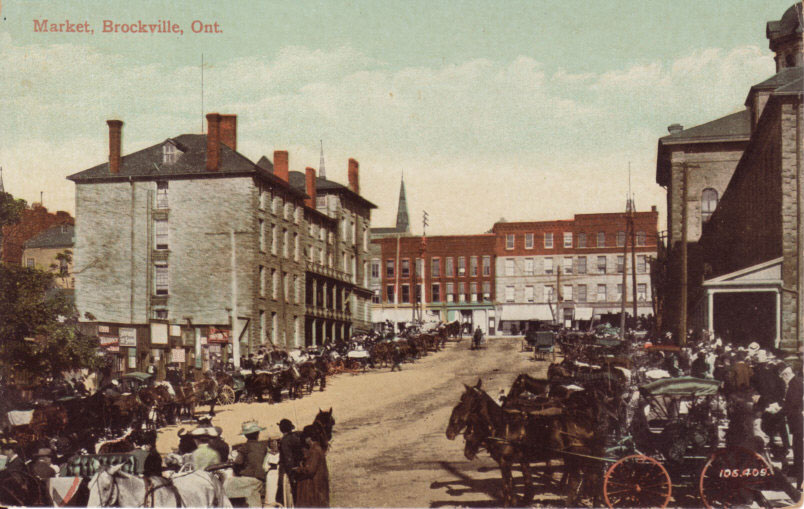
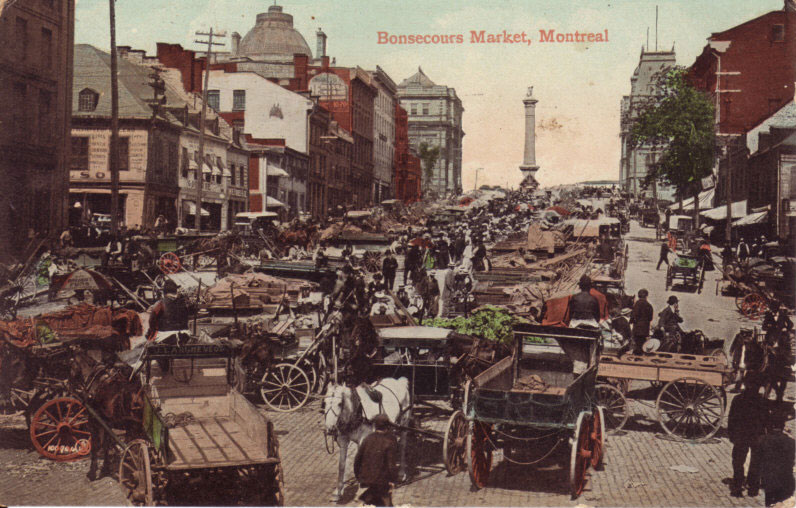
These colored photo postcards from the early 1900s highlight the importance of town markets as hubs of community activity.  Lots of horses and wagons, ladies in long dresses and men in dark hats and not an automobile in sight.

wHalifax-Market,-N.S.

Postmarked October 6, 1910, Reads: “Dear Cousin, I have not received any letters from you, nor from Oscar. Hope you will write to the above address and by the time I return here, there will be many letters.  Kind Love, Edgar”

__

wMarket,-Brockville,-Ont.

No postmark, but likely around 1910; No note

wBonsecours-Market,-Montrea

Postmarked September 8, 1909; No note

 Similar posts:

Moonlit Views of Yesteryear Canada

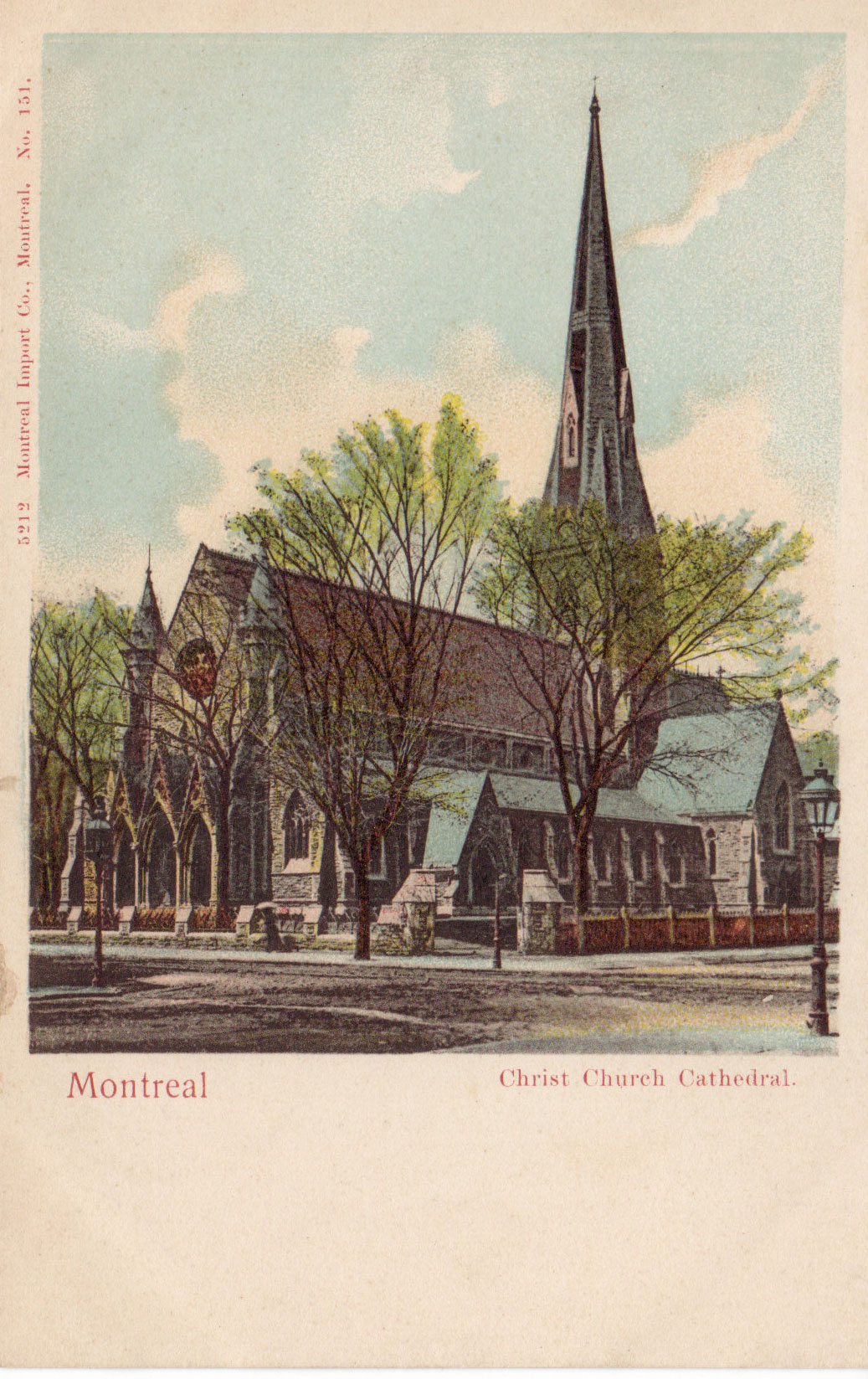
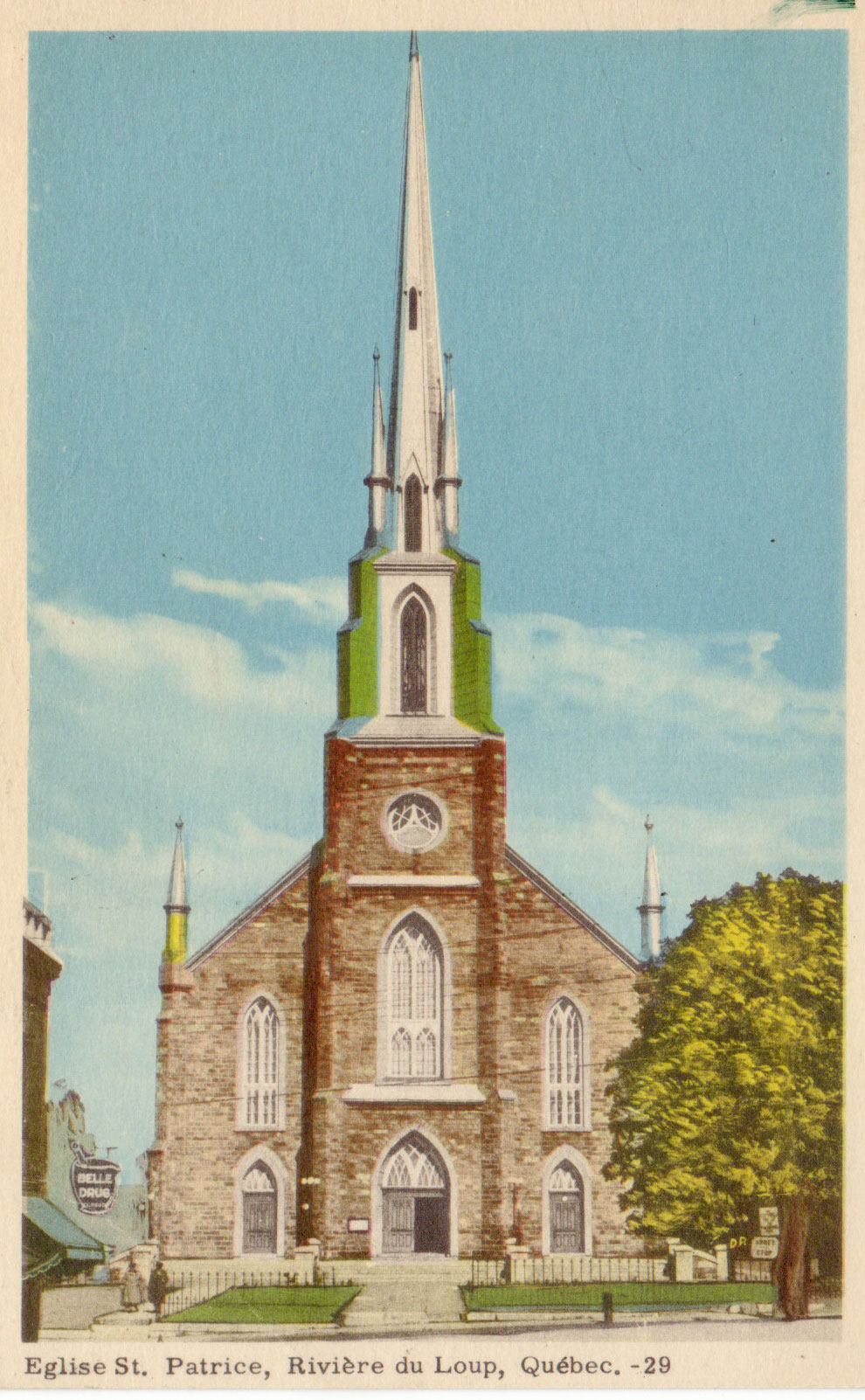
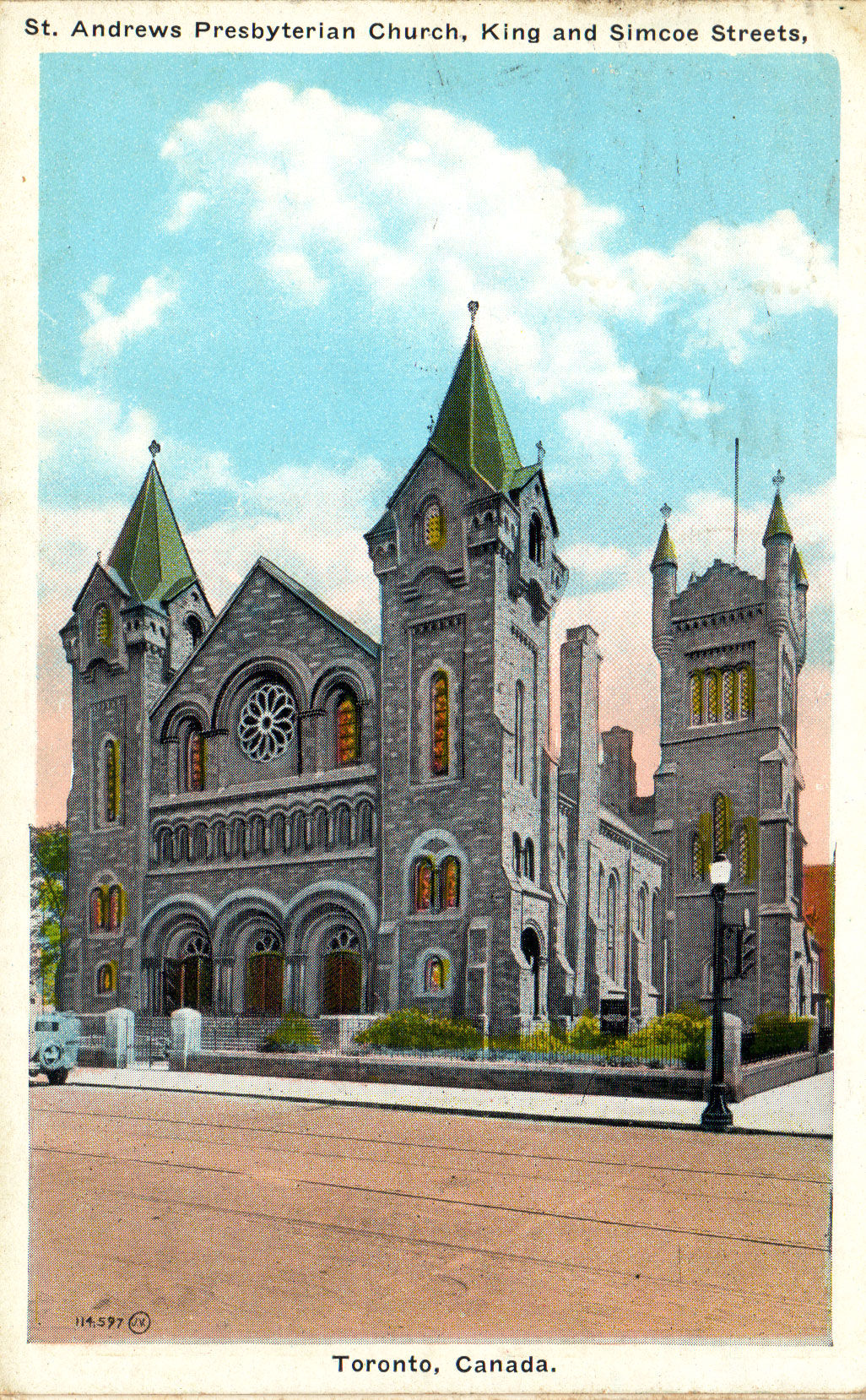
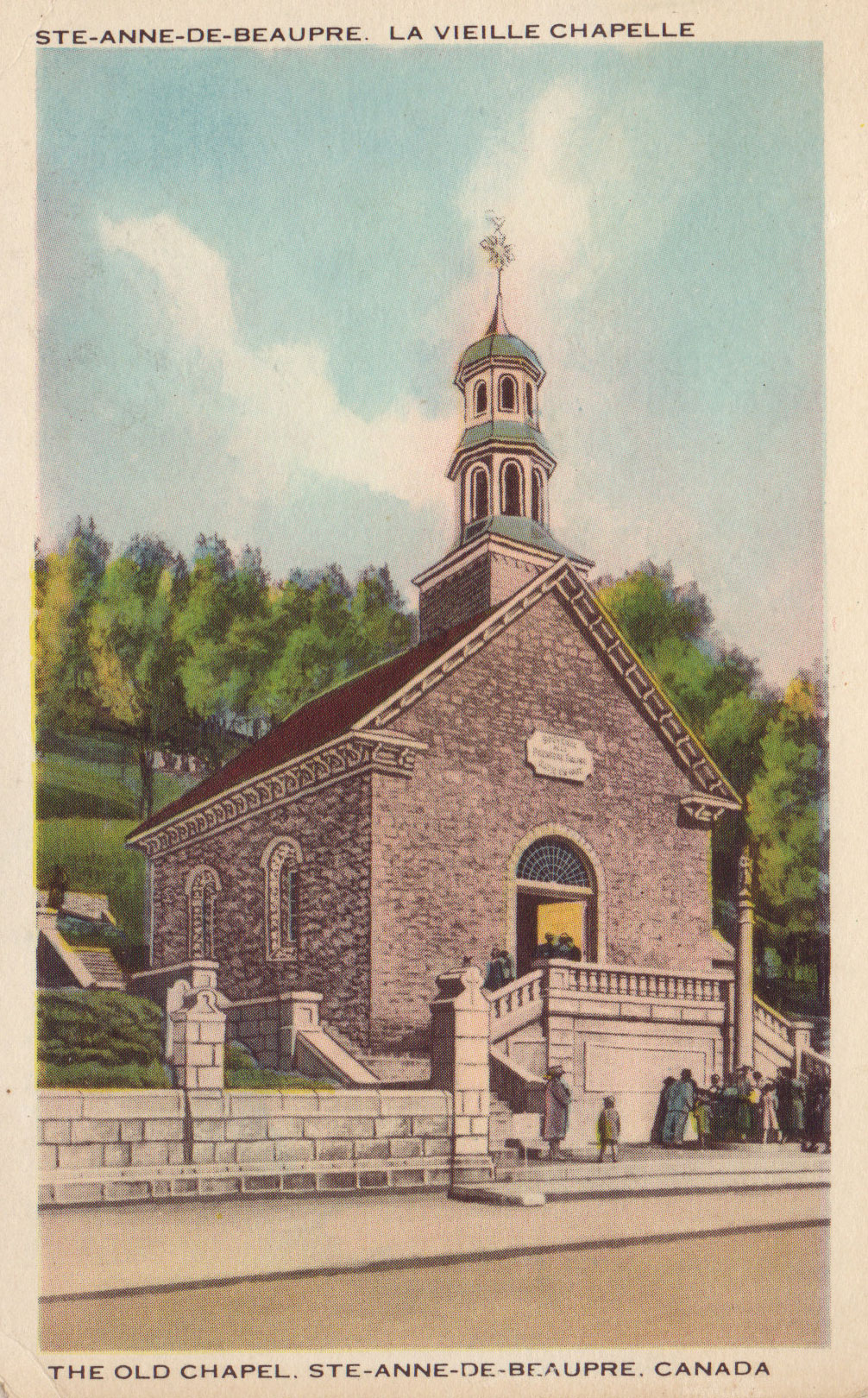
Vintage Postcards: Canadian Churches

 ♦ Whimsical Wednesday: Vintage 7 Day Kisses

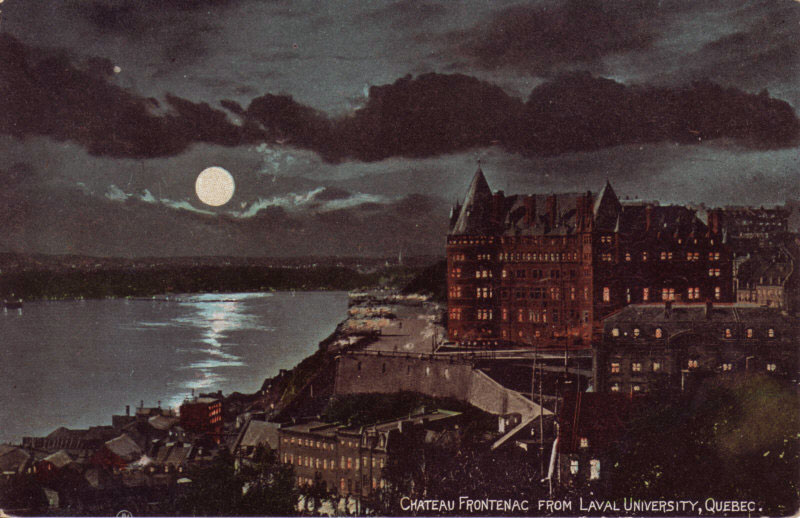
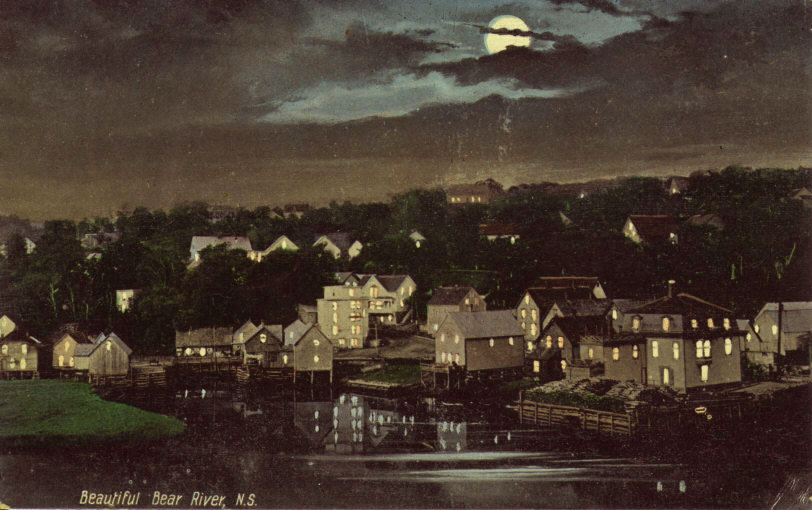
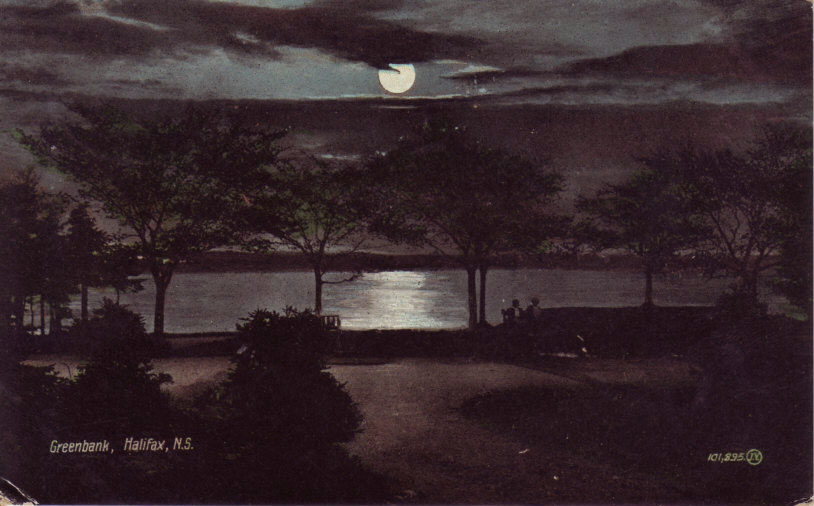
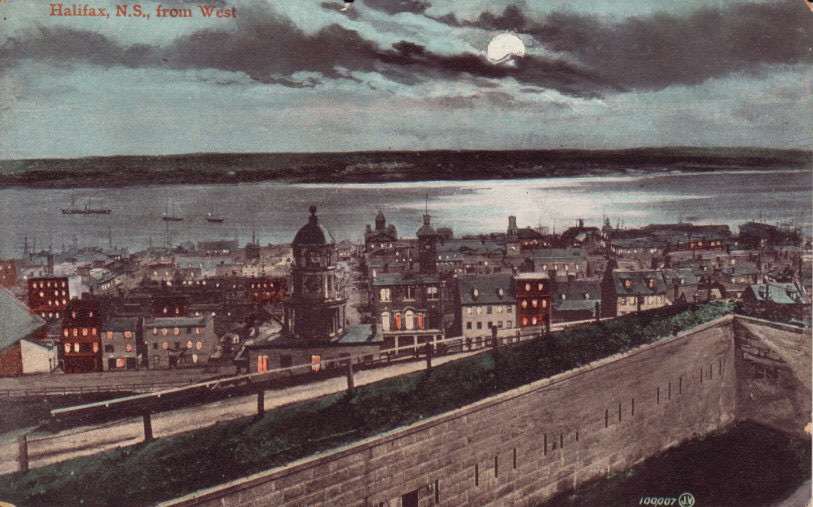
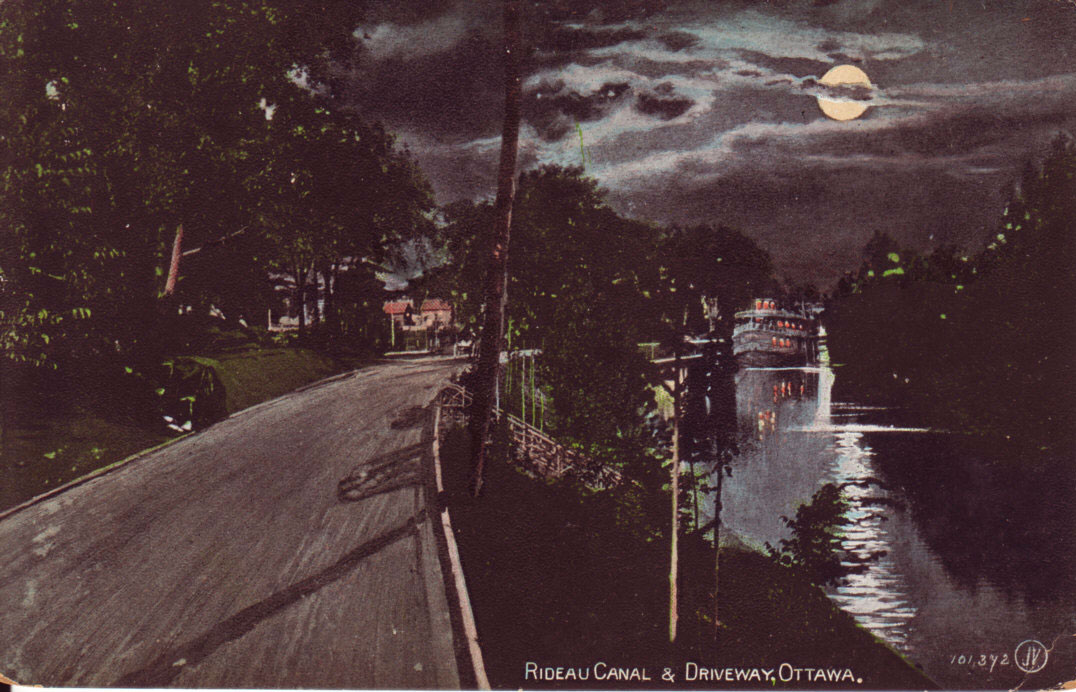
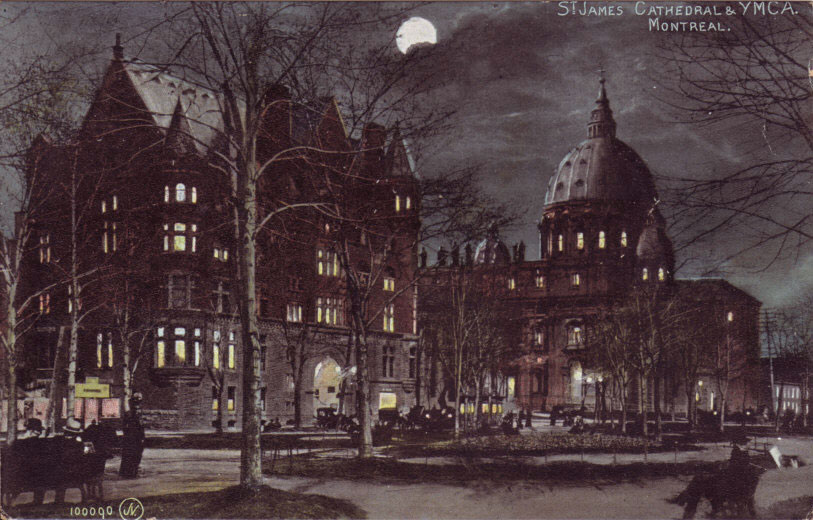
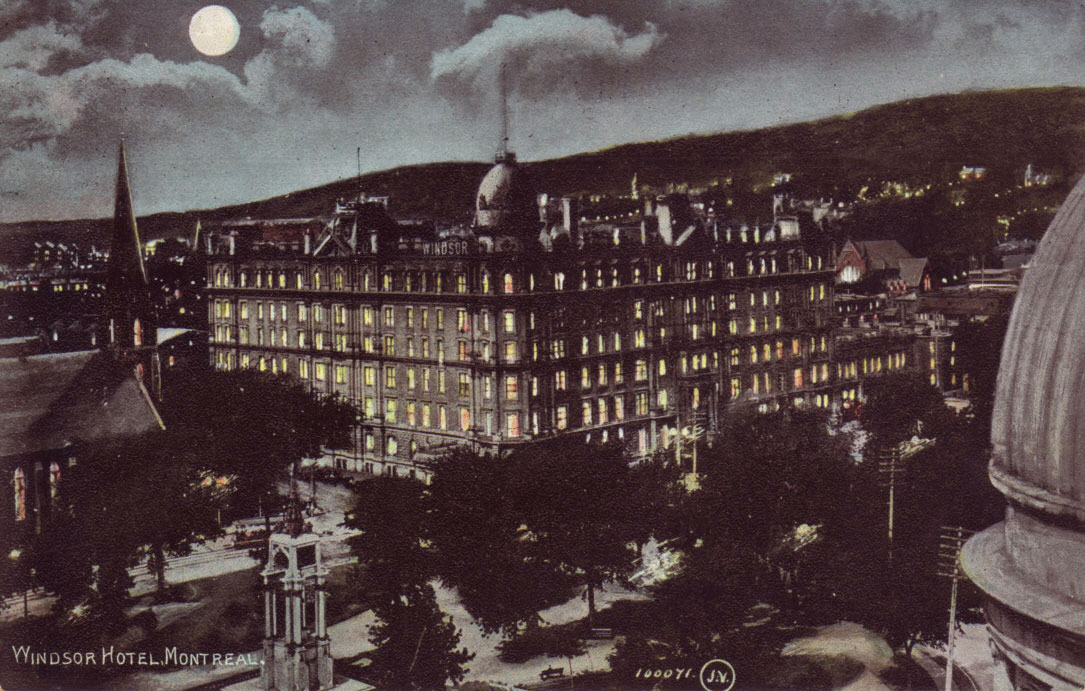
Moonlit Views of Yesteryear Canada

Chateau-Frontenac----Moody

While thumbing through a large group of vintage Canadian postcards at a local antique shop a half-dozen or so among the thousand-plus cards stood out because each featured a highly stylized moonlight view of their subjects, giving each card a dark and moody feel.  Most were from about 1906 to 1908, with one as late as 1919, and all but one were marked as being printed by Valentine & Sons, a noted Scottish postcard publisher of the time with offices in Toronto and Montreal.  A little online research revealed that the cards were collotype photographs taken in daylight with a full moon, clouds and lighting effects layered on top, after which the images were hand-tinted.
Bear-River----Moody-Mag

_

Greenbank----Moody

_

Halifax----Moody-Mag

_

NB----Moody-Mag

_

Rideau----Moody

_

St.-James-Cathedral----Mood

_

Windsor-Hotel----Moody

Similar posts on O’Canada:

•  Vintage Postcards:  Canadian Churches

•  Vintage Canadiana:  Canadian Home Journal

•  Vintage Canadian Apple Crate Labels

Vintage Postcards: Canadian Churches

St.-Anne_0001

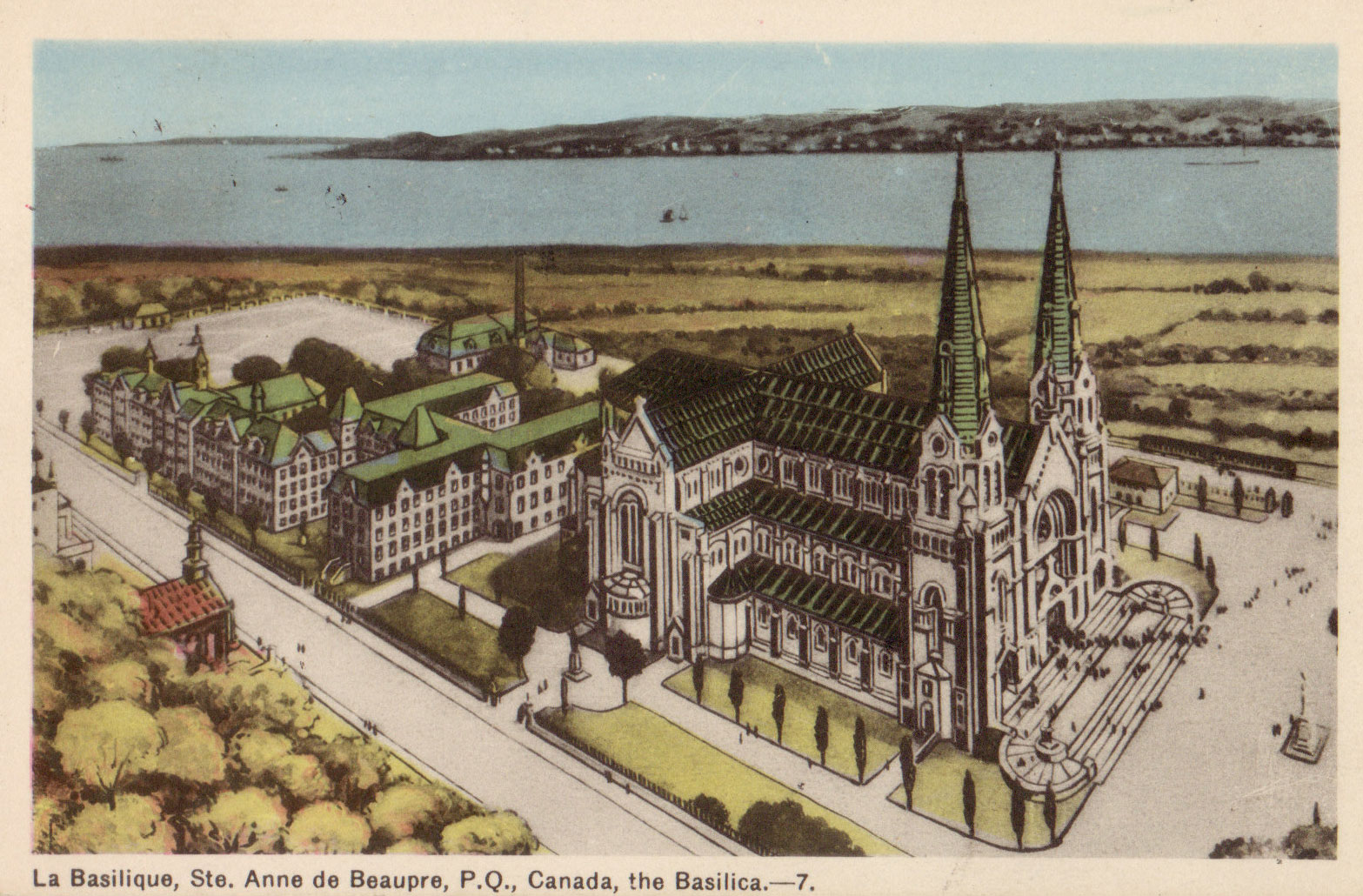
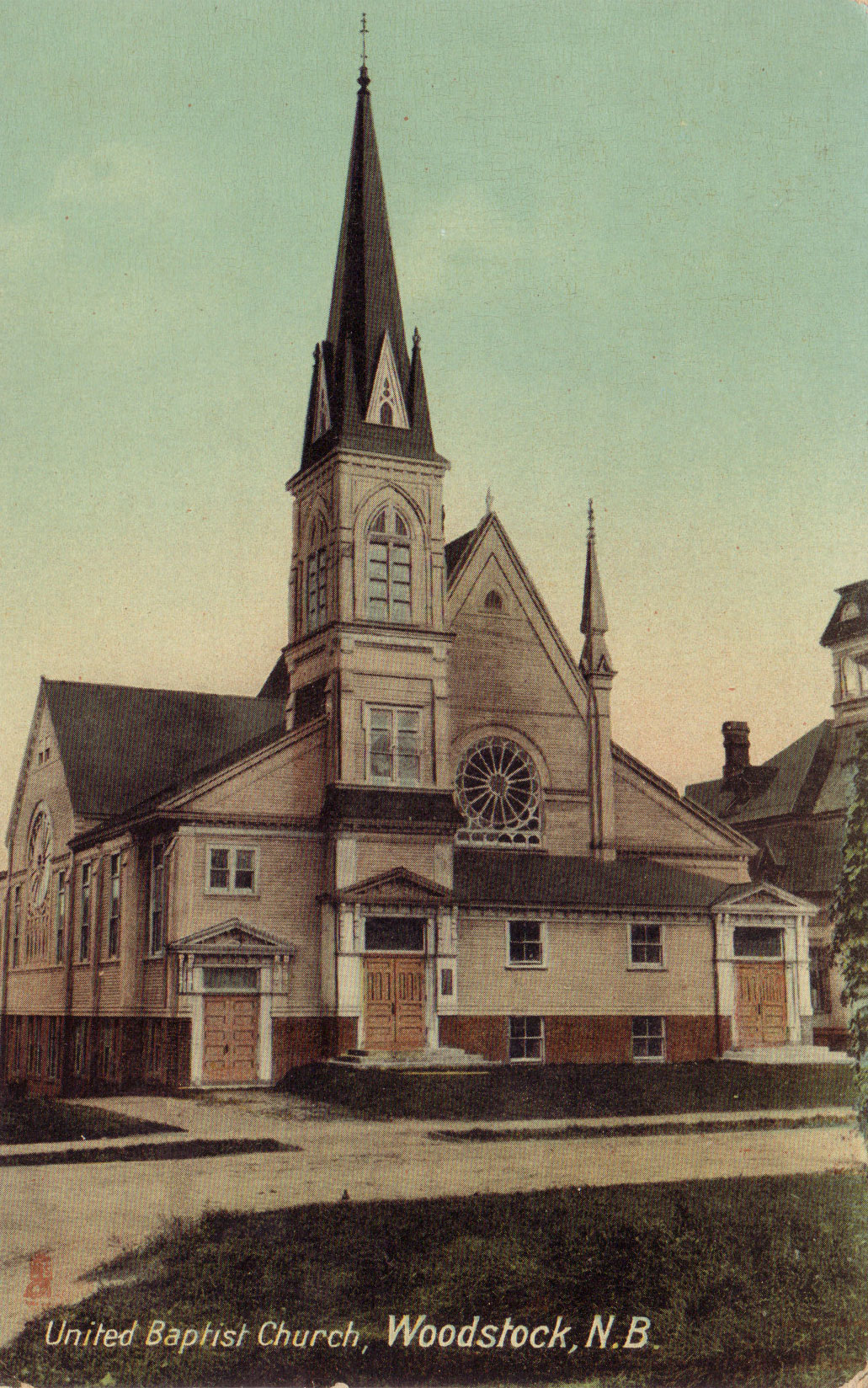
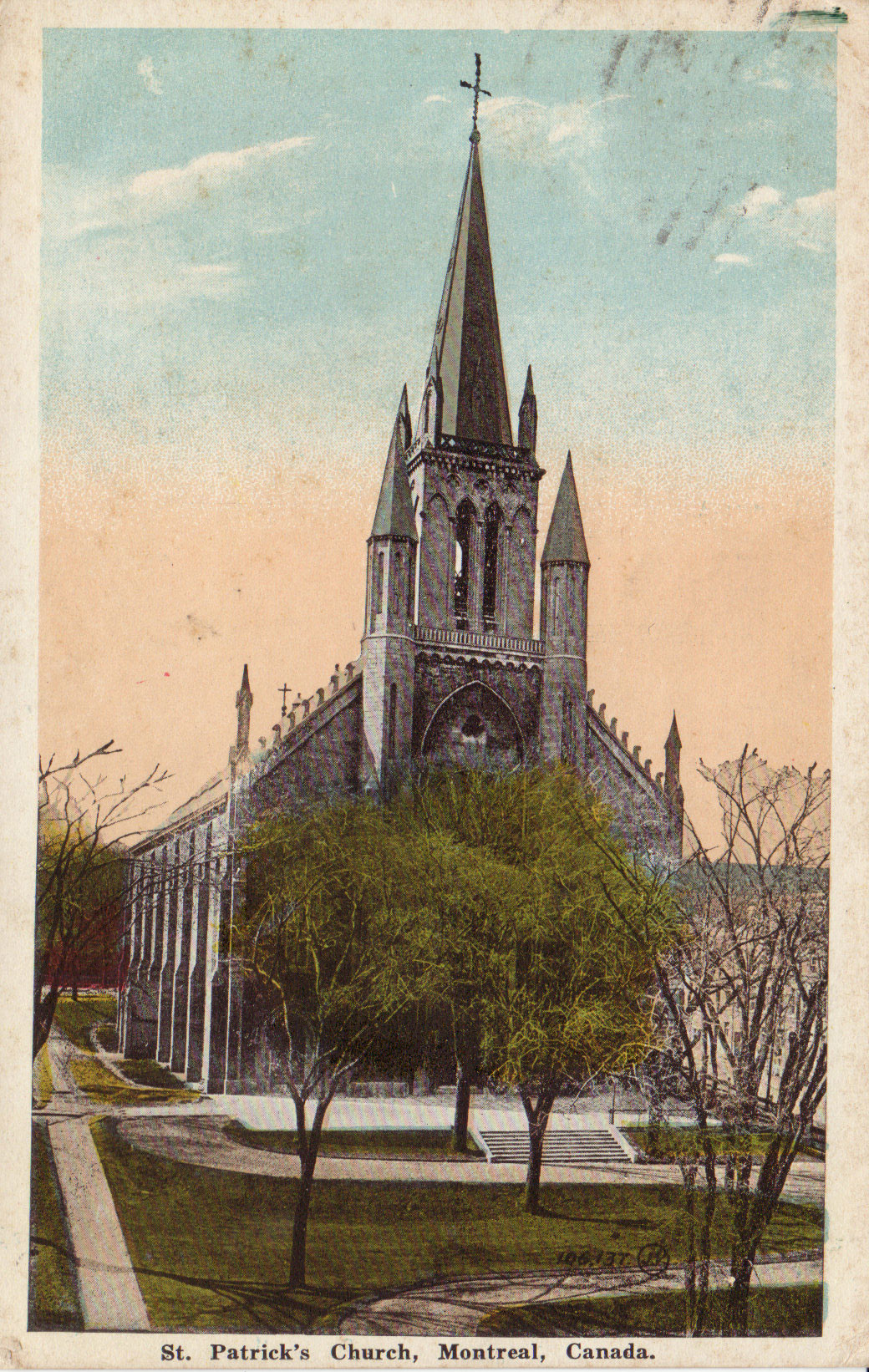
I came across these old postcards in a local antique shop, most of which are watercolors or hand-tinted photos.  They range from the early 1900s through about 1950.

Christ-Church,-Montreal Church-in-Walpole Eglise-St.-Patrice,-Riviere St.-Andrews St.-Anne-de-Beaupre United-Baptist-Church wSt.-Patricks,-Montreal

The Scenic Northville Farm Heritage Center, Annapolis Valley, N.S.

bDSC_9772

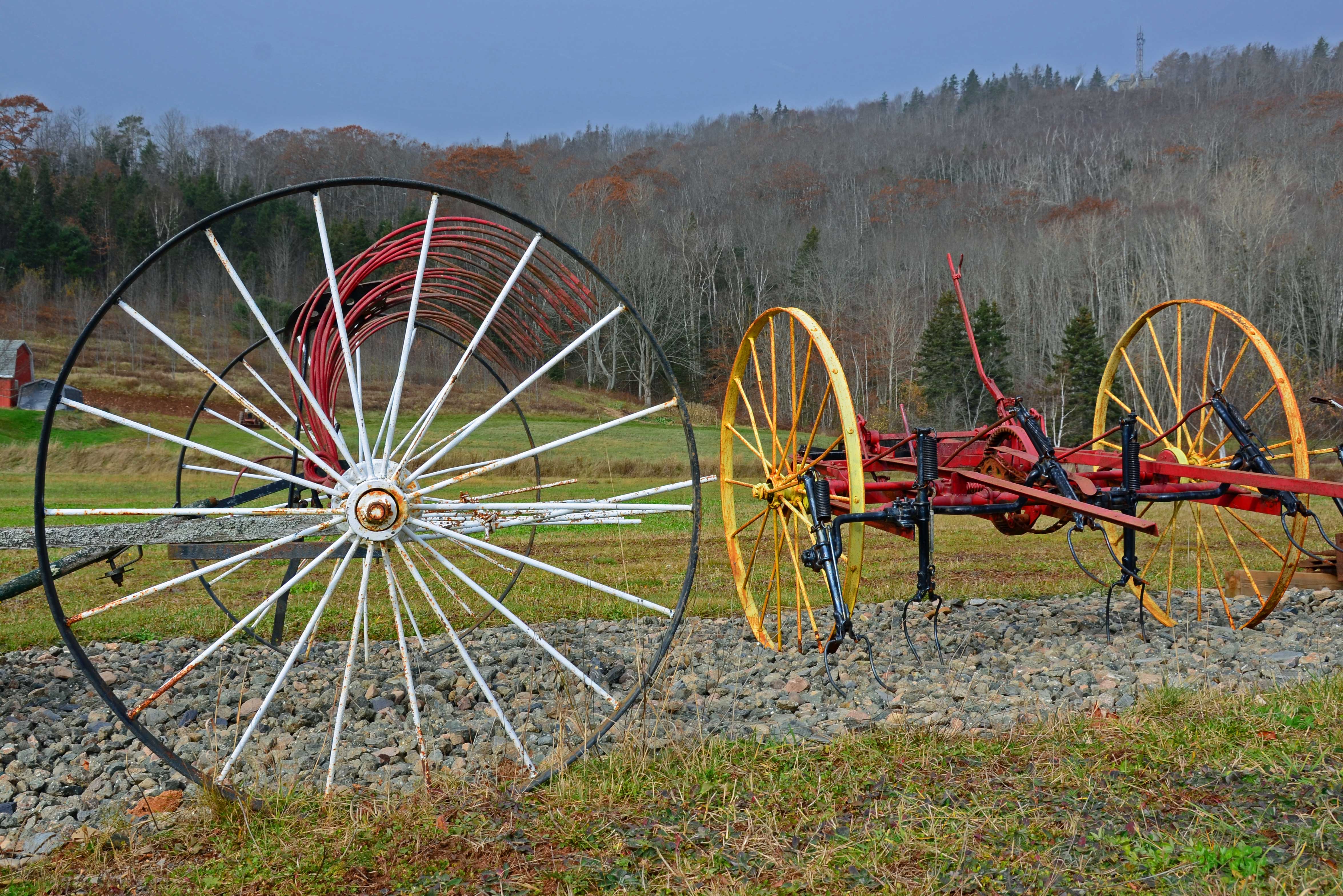
Tiller Wheels, Northville Farm Heritage Center, Northville, N.S.

___

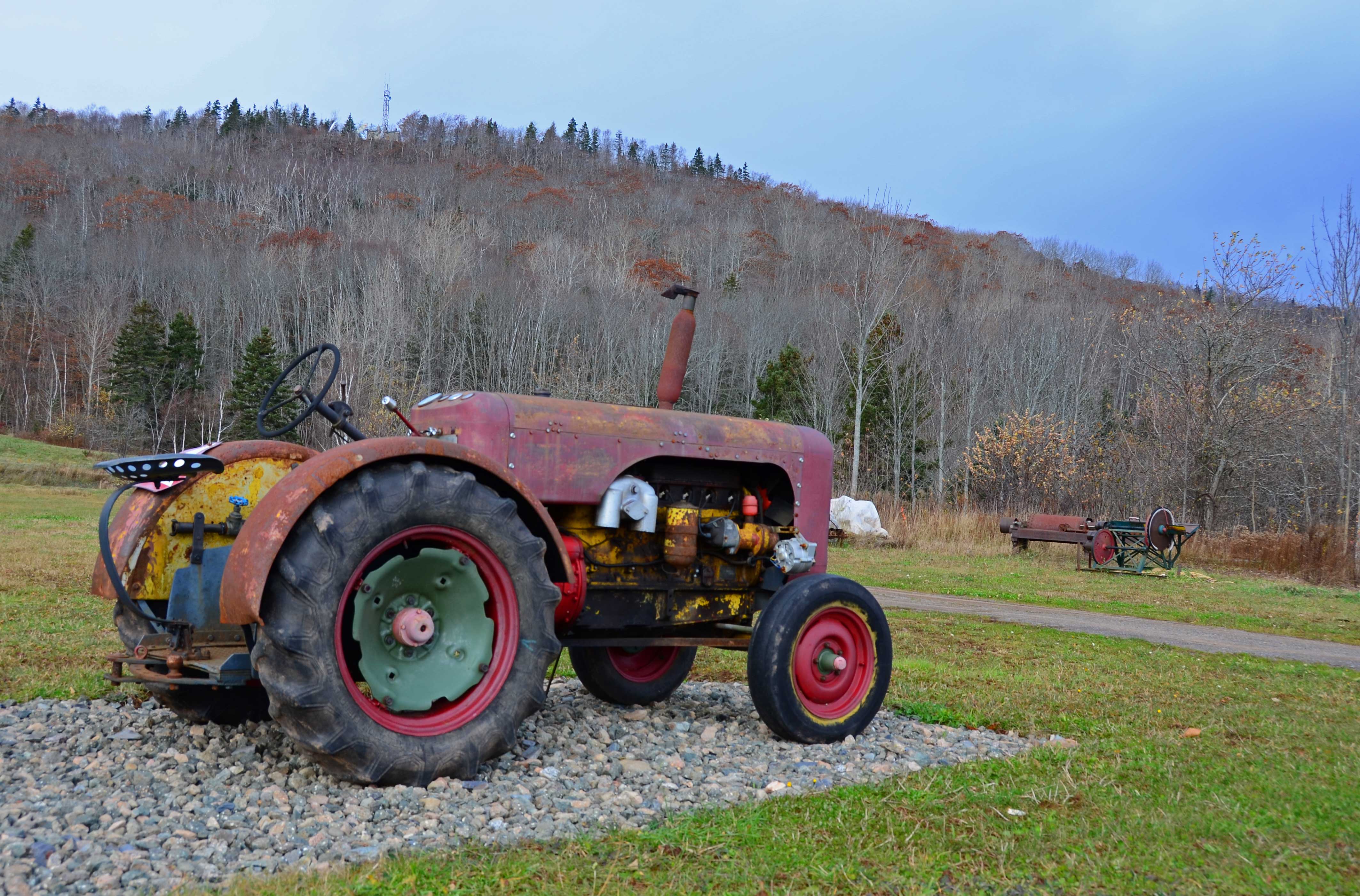
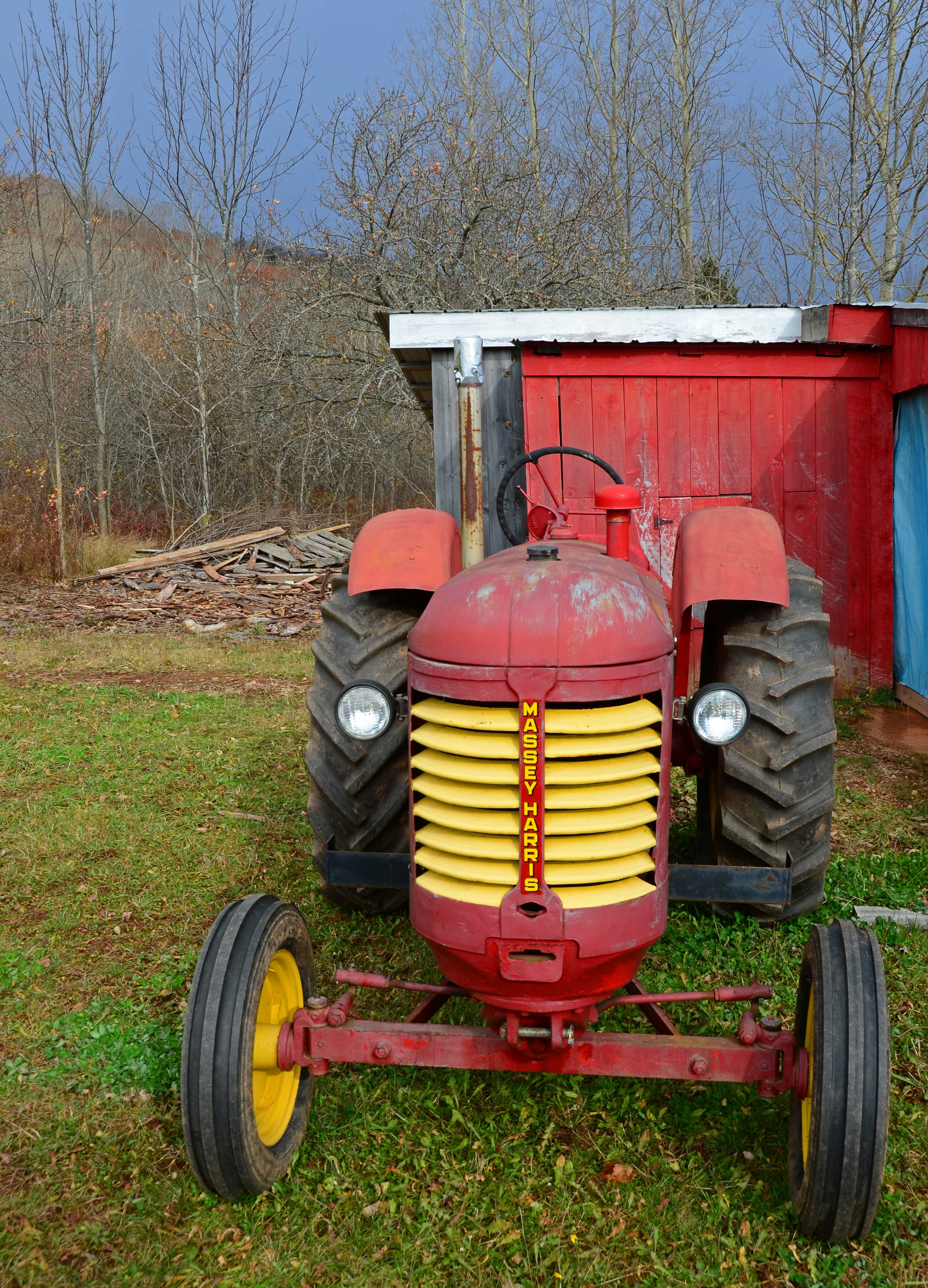
With its fertile plain shielded from the Bay of Fundy by a low-lying but extensive mountain range, the Annapolis Valley has long been the farming center of Nova Scotia.  Because of this, there are several places devoted to preserving and sharing that heritage.  Although the Ross Farm Museum in New Ross, N.S., probably gets more attention (and about which I’ll post at another time), the Northville Farm Heritage Center in Northville, N.S. (close to Centreville, N.S.), which we came across while on a meandering late Fall drive through the Valley, has a wonderful display of old farm tractors, machinery and other implements situated in an especially scenic area of the Valley.  It’s worth making the effort to find!

bDSC_9749

Trusty Rusty Tractor, Northville Farm Heritage Center, N.S.

___

bDSC_9757

Massey Harris Tractor, Northville Farm Heritage Center, N.S.

___

___

Some Other Farm-Related Posts on O’Canada:

Old Farm Tractor Along Charlevoix / St. Lawrence Shore

Barns and Cottages of the Maritimes – Part 1

Barns and Cottages of the Maritimes – Part 2

Canada’s Oldest Regular Cemetery: Garrison Cemetery, Annapolis Royal, N.S.

wDSC_9472

Old Tombstones, Garrison Cemetery, Annapolis Royal, N.S.

___

Canada’s oldest formal cemetery is Garrison Cemetery, which is situated adjacent to historic Fort Anne in Annapolis Royal, Nova Scotia.  While Garrison Cemetery is not as large as the nearly-as-old eighteenth-century burial grounds in Halifax, the setting — amidst the rolling hills of the Fort’s grounds and the sweeping Annapolis River close by — is especially picturesque. Given that Annapolis Royal served as both the capital of Acadia and later as the first capital of Nova Scotia, the well-worn tombstones on the cemetery grounds are quite old indeed, as attested by the protective marker frames in several of the pictures below from a trip last Fall.  (Click any image to enlarge)

___

Similar Posts:

• Halifax’s Beautiful Old Burying Ground

• Saint John’s Transcendent Old Loyalist Burial Grounds

St. Andrews By The Sea, New Brunswick

View Across the Bay, Celtic Cross Park, St. Andrews By the Sea

View Across the Bay, Celtic Cross Park, St. Andrews By the Sea, N.B.

___

St. Andrews By the Sea is a historic town located in the southwestern corner of New Brunswick (about an hour west of Saint John) across the Passamaquoddy Bay from Maine.  Established as a Loyalist bastion in the late eighteenth century, it is now a resort town featuring magnificent bay views and many well-preserved buildings showcasing early architectural styles.  These photos are from a late Fall visit.

Saint John’s Transcendent Old Loyalist Burial Grounds

wDSC_0190

Weathered Tombstone, Old Loyalist Burial Grounds, Saint John, N.B.

___

Cemeteries are places of transcendent reverence, contemplation and connectedness.  I’m particularly moved by final resting grounds that are situated in locations that cause them to be part of a people’s day-to-day lives.  One of the best and most visually gorgeous of these is the very old Loyalist Burial Grounds in Saint John, New Brunswick, which, like Halifax’s Old Burying Ground, is in the heart of the city’s downtown core.  These pictures from a recent trip on a brisk November morning makes clear that the majestic tombstones dating to as early as 1783 are very much a part of the urban environment built up around them.  With its winding walkways, inviting benches and vast shade trees, the Loyalist Burial Grounds is as much a frequented park space as it is a place for memory and serves as a peaceful oasis amidst the surrounding hustle and bustle.

Backwoods Lumbering During the 1880s

___

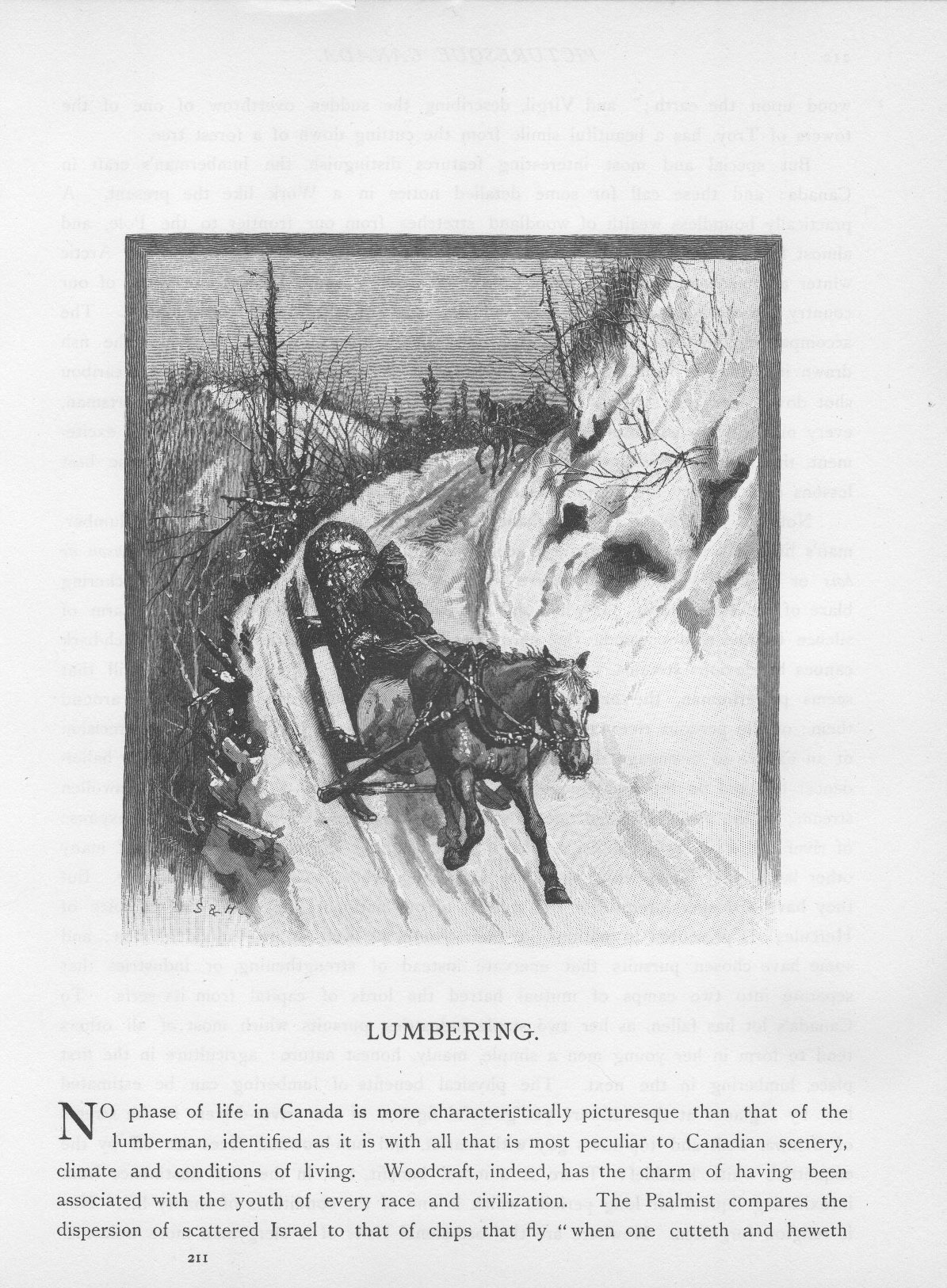
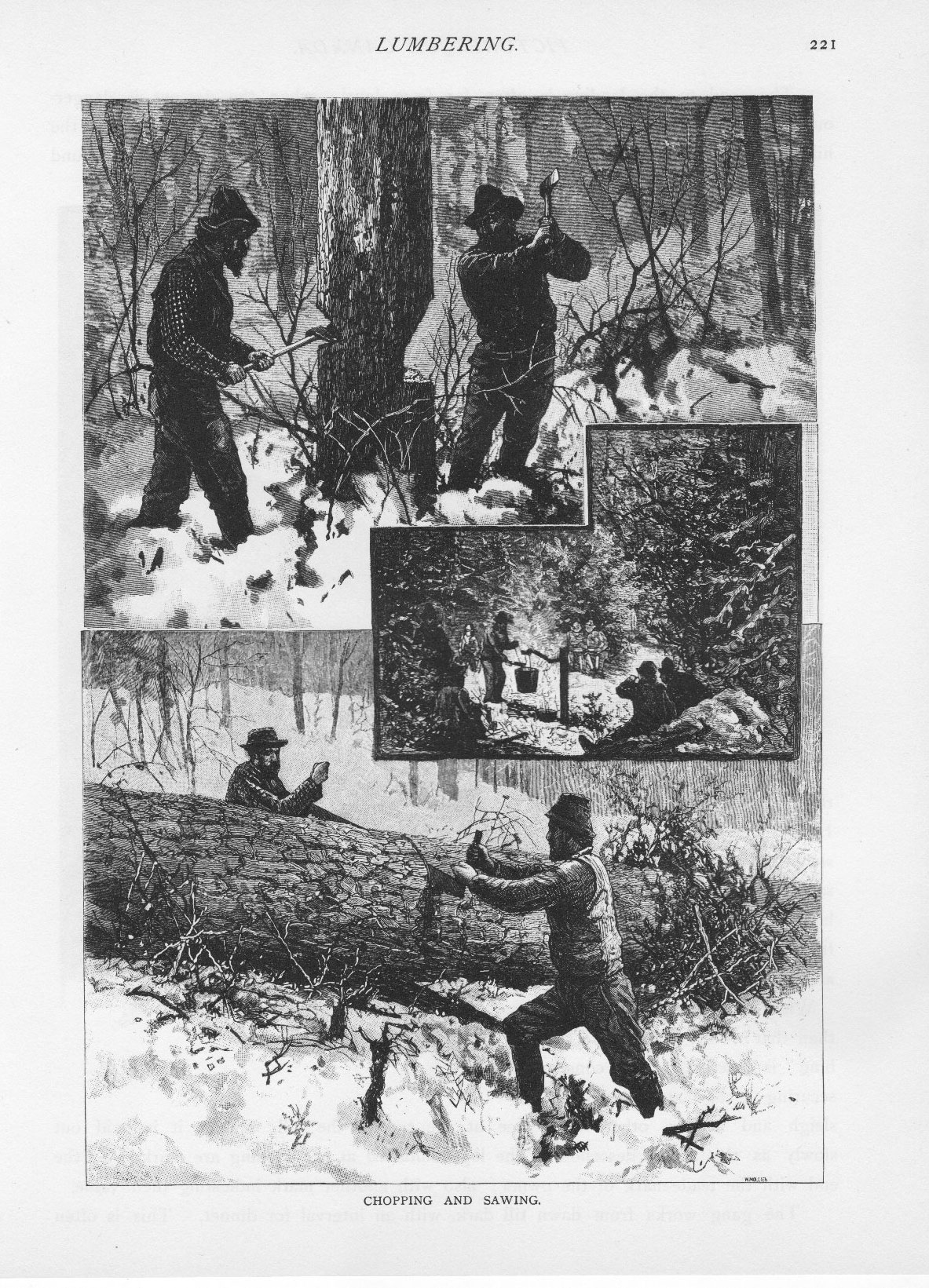
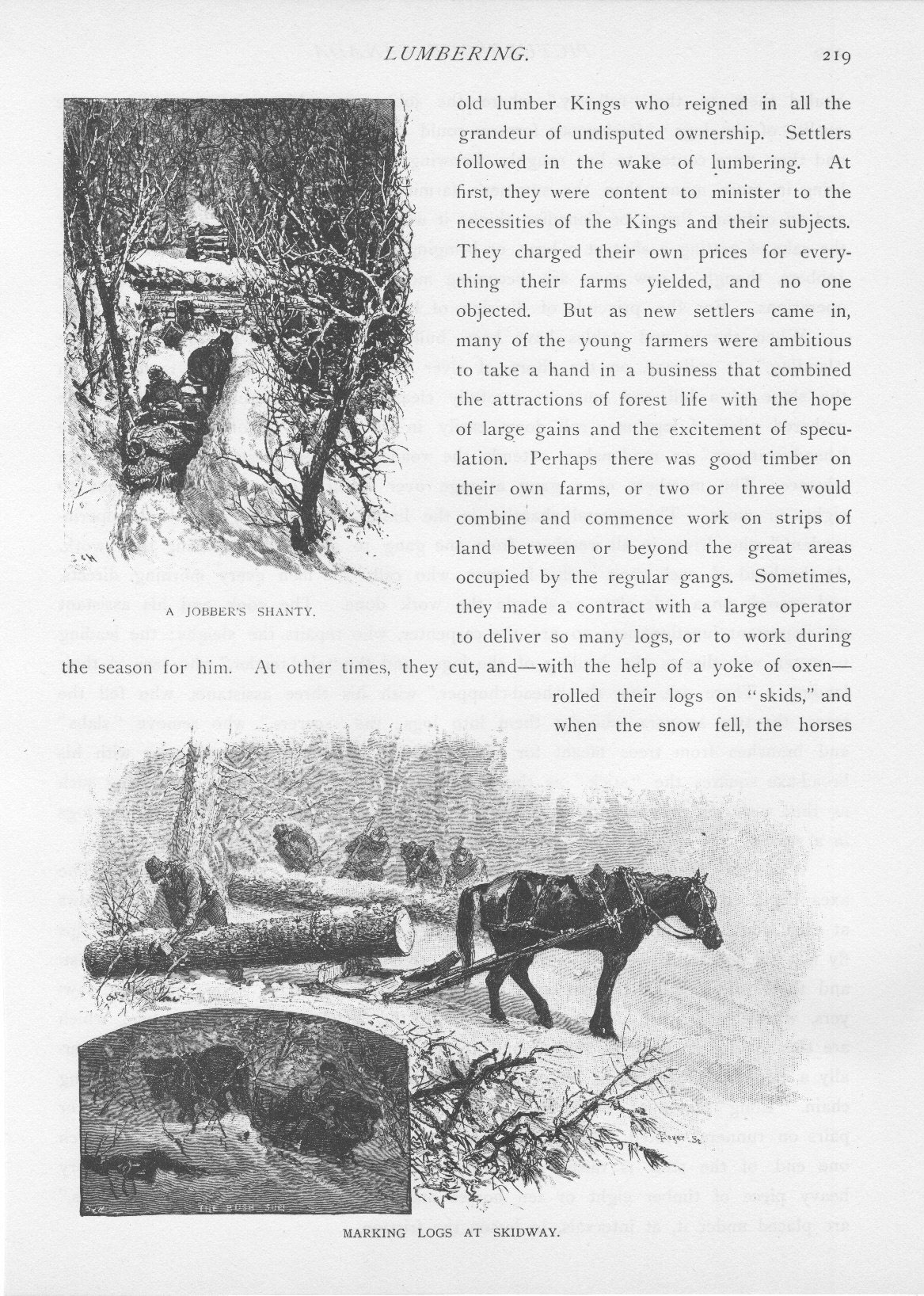
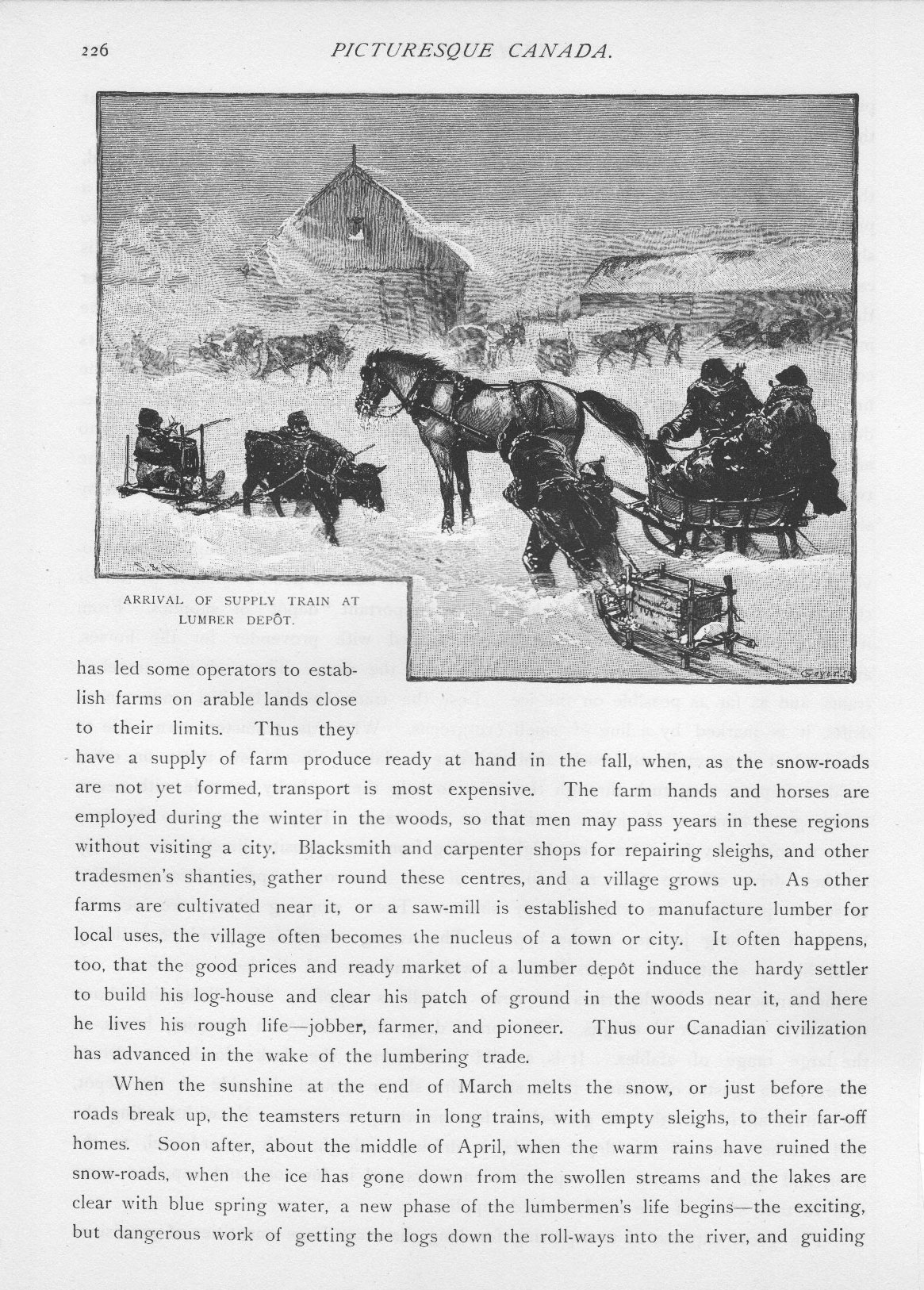
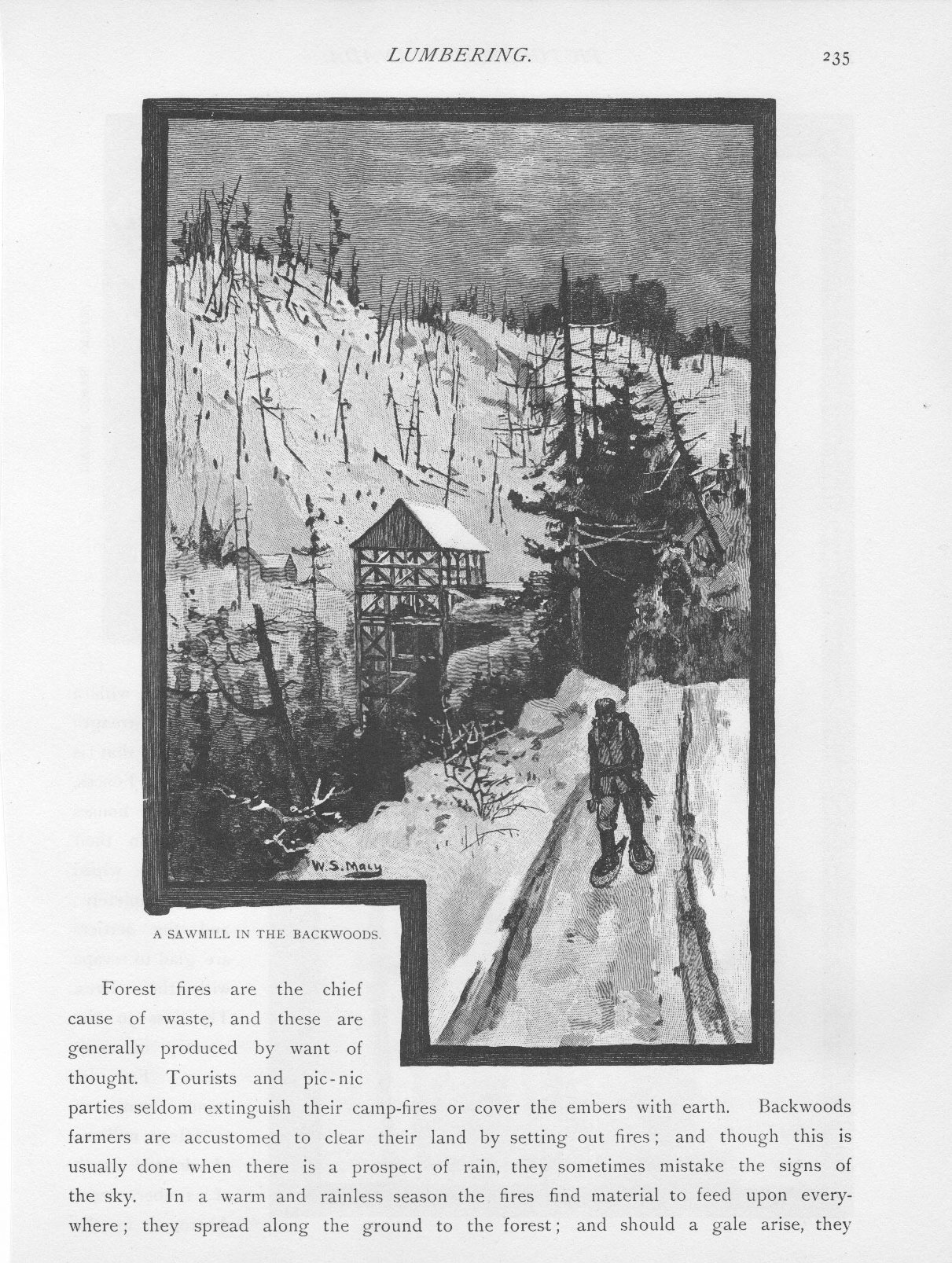
I recently came across a reprint of Picturesque Canada (ed. by George M. Grant), a two-volume compendium originally published in 1882 of Canada’s history, people and places.  These marvelous books feature hundreds of intricate wood engravings that bring to life with vivid imagery the then still new and developing confederation.  These illustrations of the lumber trade depict the hardships of that way of life, with most of these also seeming to associate that occupation with the extra harsh conditions of winter, which is fitting for the cold weather that is now creeping in up north. (Click images to enlarge.)

Chopping and Sawing

___

A Jobber's Shanty; Marking Logs at Skidway

___

Arrival of Supply Train at Lumber Depot___

A Sawmill in the Backwoods

Remembrance Day and the Home Front

_OLYMPUS DIGITAL CAMERA__

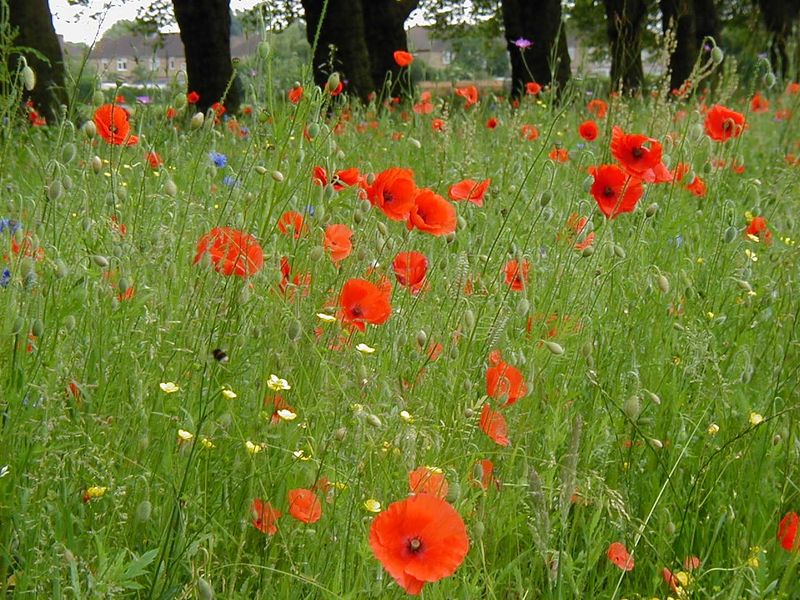
Red poppies already adorn many a chest and collar on each side of the border as a lead up to Monday when the U.S. marks Veteran’s Day and Canada observes Remembrance Day.   Both occasions mark and honor the difficult sacrifices made by our respective veterans in service to their country.  These vintage wartime posters from World War I remind us that the reach and privations of the war that prompted the first Remembrance Day extended, as most wars do, to the home front as well.

(Poppy Image Credit: Wikimedia Commons)